
The world of spirits is incredibly diverse, and understanding the production methods behind each style is essential for anyone pursuing beverage education. One spirit that often captures the curiosity of students in a spirits course is rhum agricole. Known for its vibrant, grassy character and distinctive production method, it offers an excellent case study in how raw materials and production choices influence flavour.
For students exploring advanced spirits knowledge—whether through a wine and spirits course, beverage certification, or a recognised alcohol beverage course—rhum agricole demonstrates the importance of understanding regional spirits and production techniques.
What Is Rhum Agricole?
Rhum agricole is a style of rum produced directly from fresh sugarcane juice, rather than molasses. This difference in raw material gives the spirit its distinctive flavour profile and sets it apart from most rums produced around the world.
The term “agricole” means “agricultural” in French and reflects the spirit’s origins in sugarcane farming regions of the French Caribbean.
Unlike molasses-based rum, which is produced using a by-product of sugar production, rhum agricole begins with freshly pressed cane juice that is fermented soon after extraction. Because the fresh juice spoils quickly, rhum agricole production is closely tied to the harvest season. This direct link between agriculture and distillation gives the spirit its name and its strong sense of terroir.
For students enrolled in a wine and spirits certification for hospitality professionals, rhum agricole represents an important category within the broader rum family, illustrating how raw materials can dramatically influence flavour.
How Is Rhum Agricole Made?
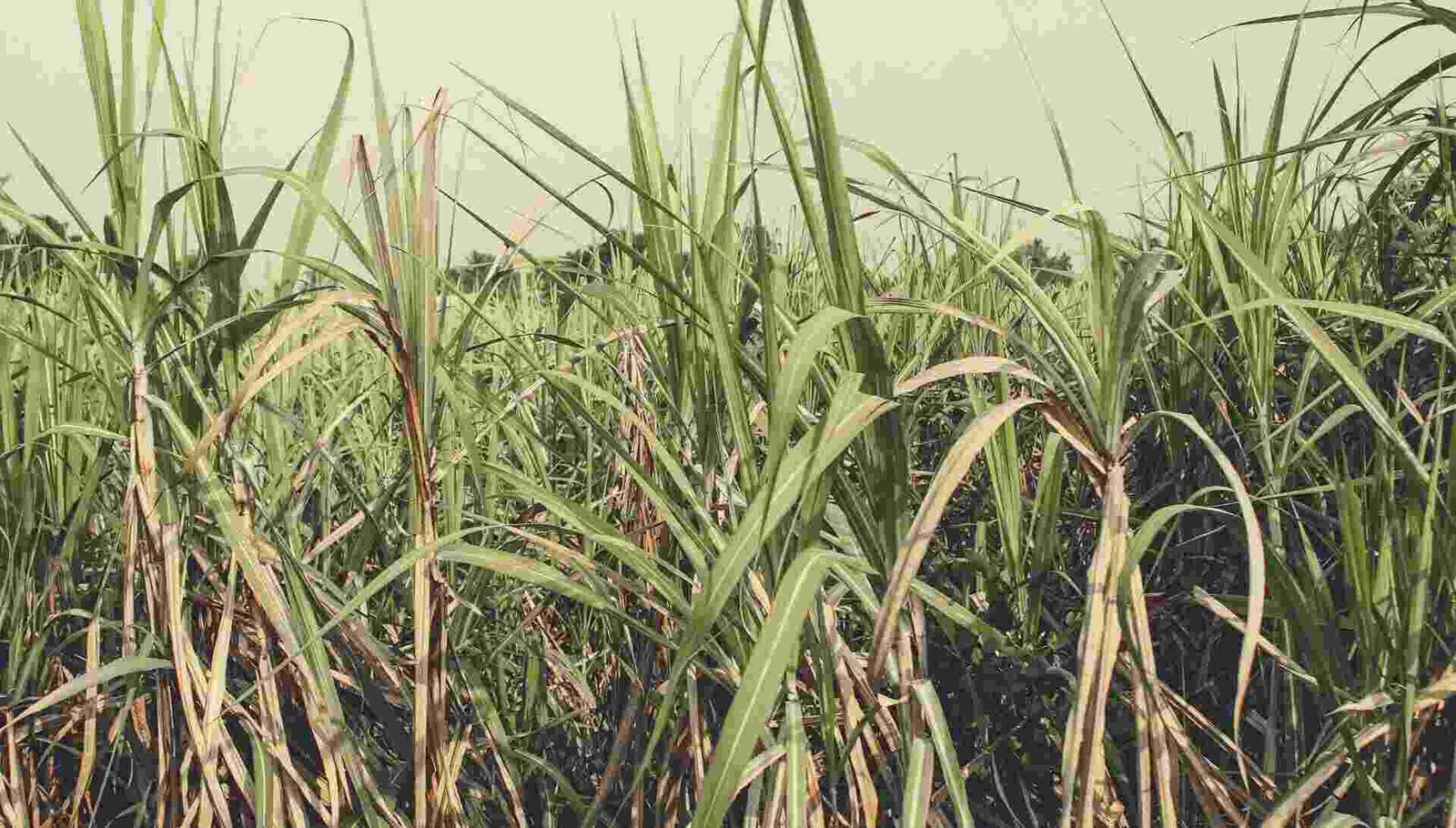
The production of rhum agricole begins in the sugarcane fields. Producers then harvest mature sugarcane stalks and quickly transport them to the distillery to preserve freshness.
Juice Extraction: Crushing the cane releases fresh sugarcane juice, which forms the base of the spirit. Unlike molasses-based rum production, no sugar refining step occurs before fermentation.
Fermentation: The juice is fermented using yeast to convert sugars into alcohol. Fermentation typically lasts between 24 and 72 hours and produces a low-alcohol liquid known as “wine” or wash.
Distillation: Rhum agricole is usually distilled in column stills, which allow producers to retain aromatic compounds while refining alcohol strength. The distillation process concentrates alcohol while preserving the distinctive vegetal and herbal notes derived from sugarcane.
Ageing: Some rhum agricole is bottled unaged, while other styles are matured in oak barrels. Ageing softens the spirit and introduces flavours such as vanilla, spice and dried fruit.
Where Is Rhum Agricole Produced?
Rhum agricole is most strongly associated with the French Caribbean, particularly the islands of Martinique and Guadeloupe.
Martinique is especially significant because it is the only rum-producing region with a controlled appellation system similar to wine. The Appellation d’Origine Contrôlée (AOC) designation regulates how rhum agricole must be produced, including sugarcane varieties, fermentation practices and distillation methods.
These regulations ensure consistent quality and help preserve the spirit’s traditional production techniques.
While other regions produce similar styles of cane-juice rum —including parts of the Caribbean, South America and Asia—rhum agricole from Martinique remains the most widely recognised example studied in structured spirits courses and beverage professional certification programmes.
How Does This Spirit Taste?
One of the defining characteristics of rhum agricole is its distinctive flavour profile. Because producers use fresh cane juice rather than molasses, the spirit often displays brighter, more vegetal aromas.
Typical tasting notes include:
- Grassy and herbal aromas
- Fresh sugarcane character
- Dry, aromatic palate
- Citrus and tropical fruit hints
- Light peppery or earthy undertones
Unaged rhum agricole tends to emphasise fresh, vibrant cane notes. Aged versions develop additional complexity through interaction with oak, introducing flavours such as vanilla, caramel and spice.
Understanding rhum agricole provides valuable insight into the diversity of rum styles and the importance of raw materials in spirit production. For hospitality professionals, this knowledge improves guest communication, tasting accuracy and beverage recommendations. As consumers increasingly explore premium spirits and global categories, professionals with spirits qualifications stand out in the industry.
To build a deeper understanding of spirits styles, enrol in WSET Level 2 in Spirits at Sonal Holland Academy. Learn in an environment designed for hospitality professionals who are looking to upskill. Take the next step toward becoming a confident beverage professional. Click here to know more about our upcoming batch for WSET Level 2 Award in Spirits.