
Tequila is one of the most recognisable spirits in the world. From cocktail bars in Mumbai to upscale lounges in Bangalore, this Mexican spirit has carved a distinct identity in India’s growing alcobev scene. If you’ve ever wondered what is tequila and what sets it apart from other spirits, this guide will answer all your questions.
For young professionals pursuing a career in hospitality or looking to build expertise through a spirits course, understanding tequila is essential. This guide breaks down everything you need to know about this iconic spirit.
What is Tequila?
Tequila is a distilled spirit made primarily from the Blue Weber agave plant. Unlike many spirits that use grains or molasses, tequila’s raw material is a succulent plant native to Mexico. This gives the spirit its distinctive herbaceous, earthy and slightly peppery character.
By law, tequila can only be produced in specific regions of Mexico, with the state of Jalisco being the most important production area. The denomination of origin ensures that only spirits made in these designated zones using Blue Weber agave can be labelled as tequila.
This regional protection is similar to how Champagne can only come from the Champagne region in France. For students enrolled in beverage certification programmes, tequila offers an excellent case study in how geography and raw materials shape a spirit’s identity.
How Is Tequila Made?
The production of tequila follows a traditional process that begins in the agave fields and ends with distillation. Understanding these steps is fundamental for anyone studying spirits in India or working in the hospitality industry.
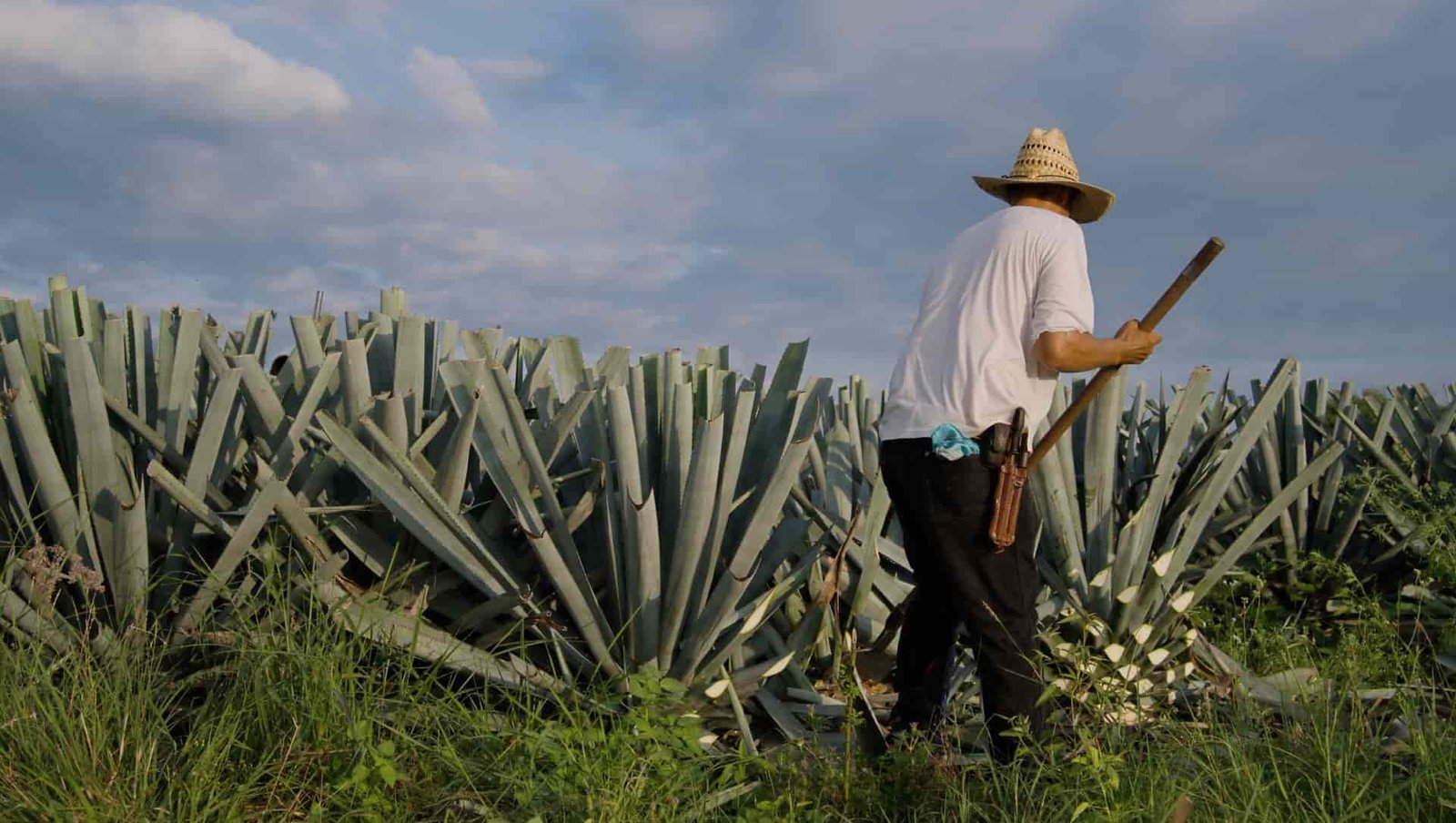
Harvesting the Agave: Skilled workers called jimadores harvest mature Blue Weber agave plants (aged 7-10 years) by removing the leaves to reveal the piña—the heart of the plant that contains fermentable sugars.
Cooking: The piñas are cooked in traditional ovens or modern autoclaves to convert complex carbohydrates into fermentable sugars and develop smoky, earthy flavours.
Crushing and Extraction: The cooked piñas are crushed to extract the sweet agave juice known as aguamiel. This juice contains the sugars needed for fermentation.
Fermentation: Yeast is added to the extracted juice to convert sugars into alcohol. This produces a low-alcohol liquid called mosto over several days.
Distillation: Tequila can be distilled in either pot stills or column stills. Though the finest tequilas are often made in pot stills to retain pronounced agave aromas and flavours while producing lower ABV spirits. This key concept covered in the WSET Level 1 in Spirits course.
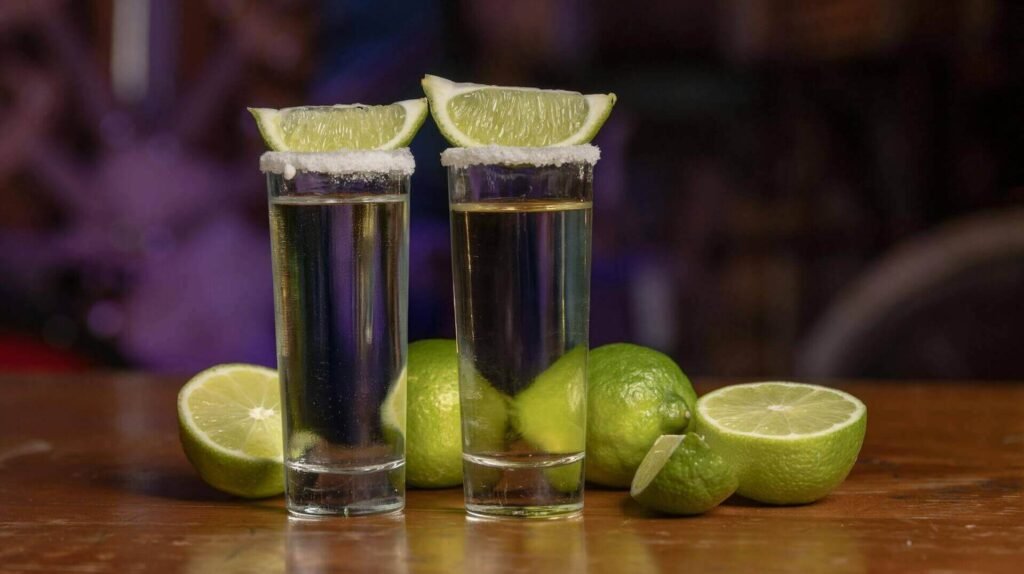
What are the Different Types of Tequila?
Tequila is classified in two main ways: by composition and by ageing. Understanding these categories helps beverage professionals make informed recommendations and improve their product knowledge.
By Composition
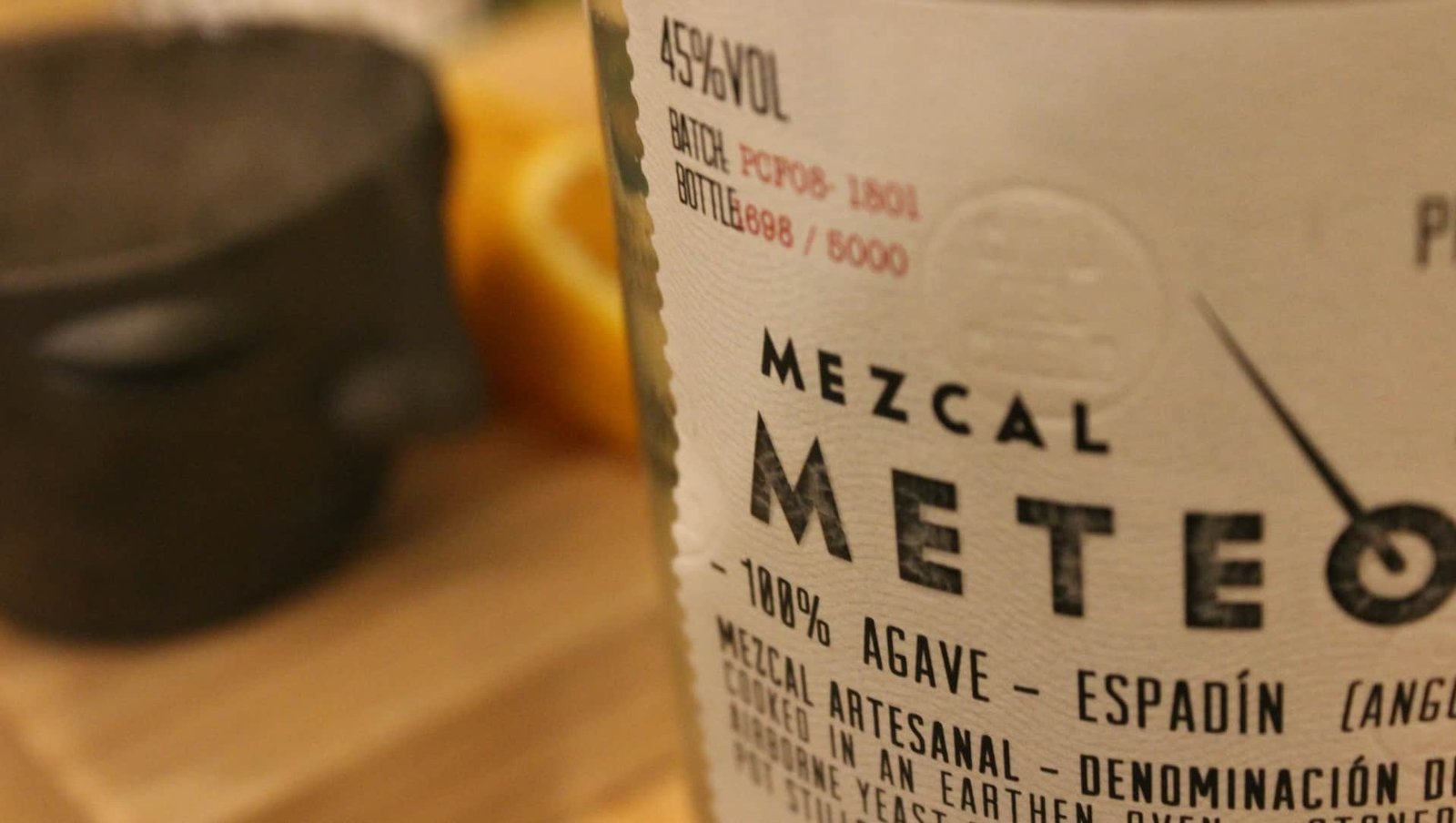
100% Agave Tequila: This category includes tequilas made entirely from Blue Weber agave, with no additional sugars added during production. These tequilas showcase pronounced agave character and are generally considered higher quality.
Tequila (Mixto): This type may include up to 49% sugars from sources other than agave. While less expensive, mixto tequilas often lack the depth and complexity of 100% agave expressions.
By Ageing
Unaged Tequila
Blanco or Silver: Bottled immediately after distillation or aged for less than two months. These tequilas preserve pure agave flavours and display fresh, herbaceous notes.
Joven or Oro (Gold): Typically unaged tequila with added caramel colouring. Other additives may be added to create smoothness and a golden appearance.
Oak-Aged Tequila
Reposado: Aged between 2 and 12 months in oak barrels. The spirit develops a golden colour and balances agave character with subtle oak influence, including notes of vanilla and spice.
Añejo: Aged for at least 12 months in oak. The colour ranges from gold to amber, and the flavour profile shows pronounced oak influence alongside agave notes.
Extra Añejo: Aged for at least 36 months. These tequilas are smooth and complex, with prominent oak flavours and a rich, deep colour. They are often sipped neat, much like premium aged spirits.
Tequila’s popularity continues to grow in India’s premium spirits market. As consumers become more adventurous and knowledgeable, hospitality professionals who understand tequila will stand out in the industry.
Whether you are a bartender crafting cocktails, a sommelier expanding your beverage knowledge, or an enthusiast exploring spirits, formal education provides the foundation you need.
If you want to build a strong understanding of tequila and other global spirits, consider enrolling in the WSET Level 1 Award in Spirits at Sonal Holland Academy. This beginner-friendly course introduces you to key spirits categories and production methods in a structured, professional environment. Take the first step toward becoming a confident spirits professional. Click here to learn more about the WSET Level 1 Award in Spirits.