
When you mention vodka, most people immediately think of potatoes. This association runs deep in popular culture. However, this common misconception doesn’t reflect the reality of modern vodka production. The truth is far more interesting and diverse.
For beverage professionals pursuing spirits training certification or enrolled in a wine and spirits course, understanding vodka’s raw material diversity is essential. Moreover, this knowledge helps you educate guests and make informed recommendations across different vodka styles.
Vodka Made From Potatoes: Where Did This Myth Start?
Historically, Poland and Russia produced vodka from potatoes, particularly during periods when grain was scarce. This historical connection created the lasting association. However, today’s vodka industry uses a much wider range of raw materials.
While potato vodka certainly exists and commands a premium position in the market, it represents just one category within this versatile spirit. Understanding this diversity forms a core component of any comprehensive beverage course.
What Is Vodka?
Vodka is a clear, neutral spirit distilled to high proof. By definition, producers create vodka from any agricultural product containing starch or sugar. This flexibility distinguishes vodka from spirits like whisky or tequila, which require specific raw materials.
The spirit’s neutral character comes from extensive distillation and filtration. Producers aim to remove impurities and congeners, creating a clean base spirit. However, subtle differences in texture and mouthfeel still emerge from different raw materials.
For students enrolled in WSET courses or pursuing beverage certification, vodka demonstrates how distillation techniques can create dramatically different outcomes from similar starting points.
How Is Vodka Made?
Vodka production follows a systematic process regardless of the base ingredient. Understanding these steps is fundamental for anyone taking a spirits course or pursuing alcohol beverage course qualifications.
Processing the Raw Material
First, producers prepare the raw material. Grains are crushed and heated with water to gelatinise starch. Potatoes are steamed or boiled until soft. This step makes the starch accessible for conversion.
Enzymatic Conversion
Next, natural or added enzymes called amylases convert starch into simple fermentable sugars such as maltose and glucose. The resulting sweet liquid, or mash, forms the basis for fermentation.
Fermentation
Yeast converts the sugars into alcohol during fermentation. This creates a low-alcohol wash similar to beer. The fermentation duration and yeast strain influence the final spirit’s character.
Distillation
Producers distil vodka to very high proof, typically above 95% ABV. Column stills are standard equipment for vodka production to create a neutral character and because of their efficiency.
Filtration
Finally, many producers filter vodka through charcoal or other materials. This step further refines the spirit and enhances smoothness.
Raw Materials Used To Make Vodka
The base ingredient significantly impacts vodka’s final character. While all vodkas achieve high purity through distillation, trace compounds from these bases subtly affect texture and mouthfeel. This concept is explored deeply in the WSET certification in spirit programmes.
Grain-Based Vodkas
Rye
Common in Poland, rye creates vodka with spicy, dry, and crisp characteristics. Rye vodkas often appeal to consumers seeking more pronounced flavour.
Wheat
Russian, France and Sweden frequently use wheat. These vodkas taste soft, smooth, and delicate. Wheat vodkas like Absolut exemplify this gentler profile.
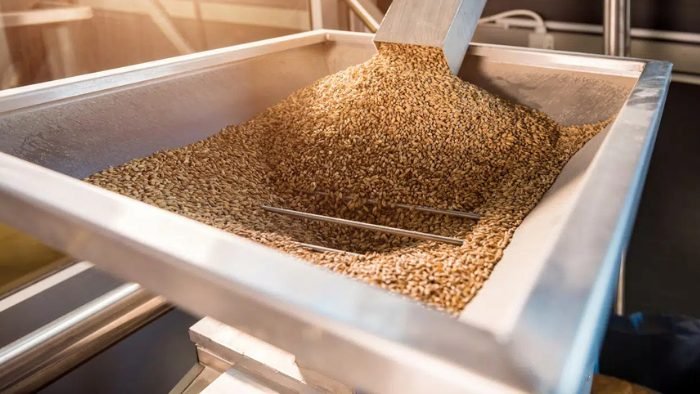
Corn or Maize
Popular in the USA, corn produces light, sweet, and gentle vodka. American brands often choose corn for its accessibility and neutral character.
Potato-Based Vodkas
Eastern and Central European countries like Poland and Belarus produce notable potato vodkas. Brands like Chopin and Luksusowa showcase this style. Potato vodkas deliver creamy, rich mouthfeel with earthy undertones. They feel fuller on the palate with noticeably smooth finishes.
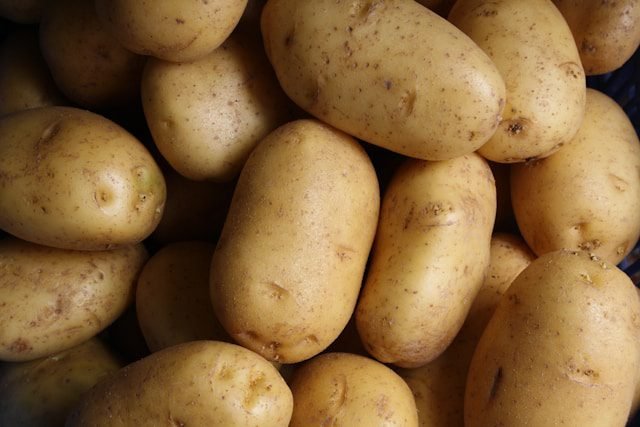
However, potato vodka requires more investment in terms of cost of production and time. It requires more raw material and more careful distillation. Consequently, potato vodkas typically command premium prices.
Other Raw Materials
Sugar Beet or Molasses
Producers globally use these materials. They create neutral, clean vodkas at competitive price points.
Grapes or Fruit
France and Italy sometimes use grapes. These vodkas taste silky and faintly aromatic. Cîroc represents a well-known grape-based vodka.
Grain vs. Potato Vodka: What’s the Difference?
The raw material choice creates distinct experiences. Grain vodka tastes lighter, softer, and more neutral. It appears cleaner on the palate and is incredibly versatile. Most cocktails are built around grain vodka because of its neutrality.
Potato vodka offers more character and depth. The creamy texture and earthy notes make it popular for sipping neat or in simple serves where the vodka shines. However, the higher production cost means potato vodkas occupy premium segments.
Understanding vodka’s diversity directly impacts your professional capabilities. When guests assume all vodka tastes identical, you can guide them toward styles matching their preferences. Price-conscious customers benefit from grain vodka recommendations. Guests seeking unique experiences appreciate potato vodka’s distinctive character.
This knowledge also supports cocktail development. Choosing the right vodka base for specific drinks elevates the final result.
Vodka represents just one category within the vast spirits landscape. Professional training through WSET programmes provides comprehensive coverage of production methods, raw materials, and quality assessment.
The WSET Level 2 Award in Spirits at Sonal Holland Academy, a leading WSET training partner in India, offers an in-depth exploration of global spirits categories. This course suits professionals seeking beverage training for leadership roles at hotels or those pursuing wine and spirits courses for upskilling.
Expand your expertise and stand out in India’s competitive alcobev industry. Enrol in the WSET Level 2 Award in Spirits and build knowledge that transforms your career.