
Cognac represents more than just a single spirit category. When you explore a premium bar’s cognac selection, you’ll notice different labels like VS, VSOP, and XO. Each designation tells a story about ageing, complexity, and flavour development. Understanding these different styles of cognac helps beverage professionals make confident recommendations and enhance guest experiences.
For young alcobev professionals in India, mastering cognac classifications builds essential product knowledge. Moreover, this expertise becomes increasingly valuable as India’s luxury spirits market continues to expand.
Styles of Cognac: Understanding Classification
Unlike many spirits that focus on production variations, cognac primarily differentiates itself through ageing. Producers age this French brandy in oak barrels, where time transforms the clear eau-de-vie into the amber spirit we recognise.
The Bureau National Interprofessionnel du Cognac (BNIC) regulates these classifications. These official designations ensure consistency across the industry. Each category indicates the minimum age of the youngest eau-de-vie in the blend.
For students pursuing spirits courses or WSET certifications, these classifications demonstrate how maturation fundamentally changes a spirit’s character. Additionally, they provide a framework for understanding quality tiers in premium spirits.
VS: Very Special Cognac
VS stands for “Very Special” and represents the entry point into cognac appreciation. Producers age VS cognac for a minimum of two years in French oak barrels.
Flavour Profile: VS cognac delivers light and fruity characteristics. The spirit maintains a youthful vibrancy with fresh grape notes still present. You’ll often detect flavours of white fruits, citrus, and floral hints. The oak influence remains subtle at this age.
Best Enjoyed: Bartenders frequently choose VS cognac for cocktails. The spirit’s lighter profile mixes well without overwhelming other ingredients. Classic cocktails like the Sidecar showcase VS cognac effectively. Furthermore, the price point makes it practical for high-volume bar programmes.
VSOP: Very Superior Old Pale
VSOP represents a significant step up in complexity and smoothness. Producers age VSOP cognac for at least four years, though many age considerably longer.

Flavour Profile: VSOP cognac tastes noticeably smoother than VS. The additional oak contact introduces new dimensions. You’ll find hints of vanilla, honey, and dried fruit alongside the base grape character. The spirit develops a rounder mouthfeel and enhanced depth.
Oak influence becomes more apparent without dominating the profile. This balance makes VSOP approachable for both newcomers and experienced drinkers. Additionally, the golden colour reflects the increased barrel ageing.
Best Uses: VSOP works beautifully both in cocktails and neat. Many professionals consider it versatile enough for various service styles. Guests who want to explore cognac beyond mixing often start here. The quality-to-price ratio makes VSOP popular in hospitality programmes.
XO: Extra Old Cognac
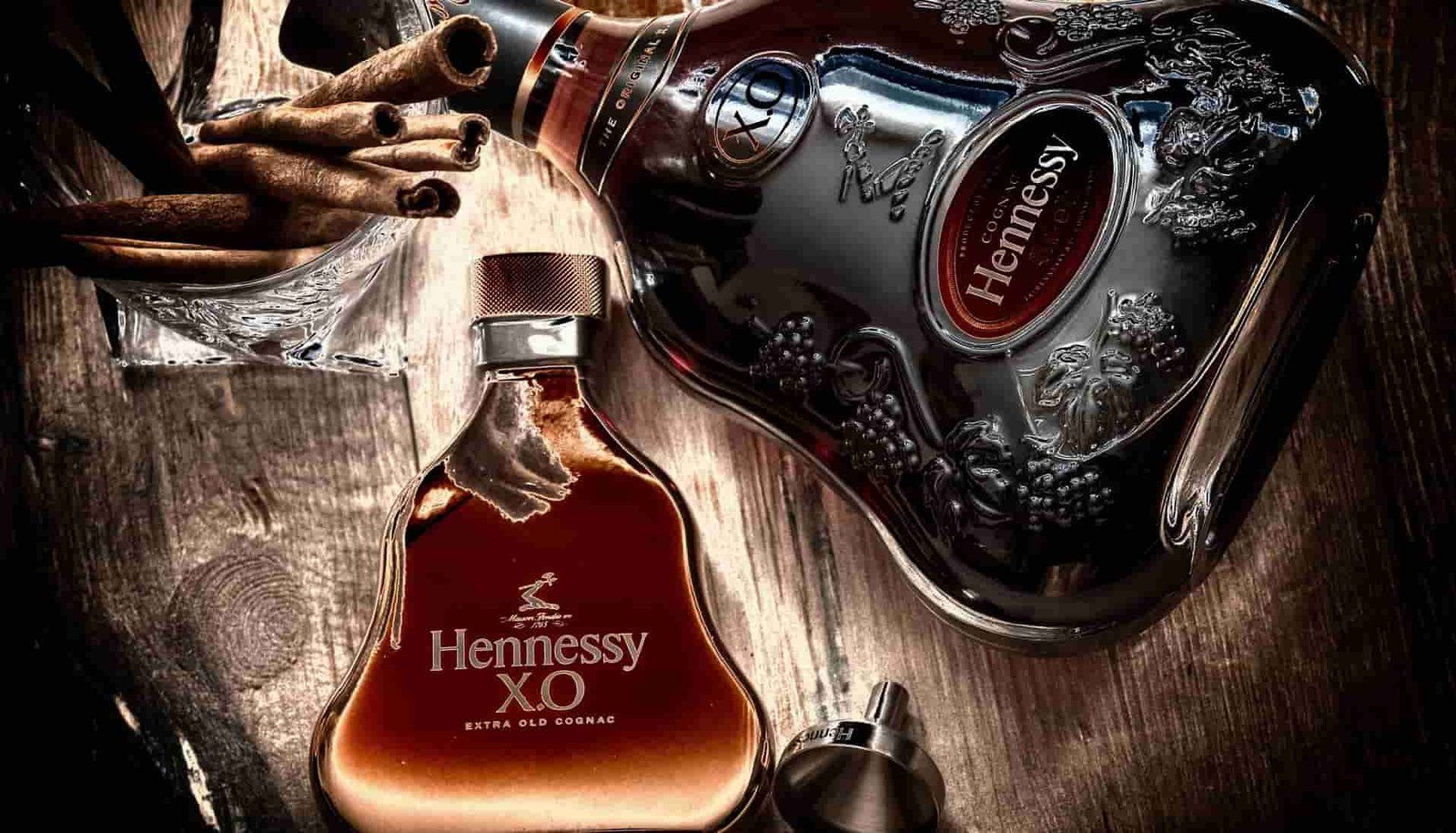
XO designates “Extra Old” and represents the pinnacle of cognac classifications. Producers age XO cognac for 10 years or more. This extended maturation creates remarkable complexity.
Flavour Profile: XO cognac delivers rich and layered flavour experiences. The spirit showcases pronounced oak characteristics including spice, tobacco, and leather. You’ll also encounter rancio—a distinctive aged quality prized by connoisseurs.
Dried fruits like figs and dates feature prominently. The texture becomes silky and refined. Some expressions develop chocolate or coffee notes through extended barrel contact. The colour ranges from deep gold to rich amber.
Best Uses: Professionals typically serve XO cognac neat or with minimal dilution. The complexity deserves undivided attention. Premium establishments offer XO as a digestif or pairing with cigars. The price point positions XO as a luxury offering for special occasions.
Understanding cognac styles directly impacts your professional capabilities. When guests ask for recommendations, you can match their preferences to appropriate classifications.
A guest seeking a cocktail ingredient needs different guidance than someone wanting a contemplative sipper. Price sensitivity also plays a role in recommendations. Knowledge of these classifications allows you to navigate these conversations confidently.
Furthermore, this understanding extends beyond cognac. The ageing concepts apply to other barrel-aged spirits. Students taking beverage courses learn how maturation universally influences spirits across categories. This knowledge becomes foundational for anyone pursuing the best courses for beverage professionals.
Cognac classifications offer just one example of how professional training builds practical skills. The WSET Level 1 Award in Spirits at Sonal Holland Academy provides comprehensive coverage of global spirits categories.
You’ll learn production methods, style classifications, and tasting techniques through structured curriculum. This beverage academy India programme prepares you for real-world hospitality challenges. Take the next step in your professional development. Explore WSET spirits courses in India and build expertise that distinguishes your career. Learn more about our upcoming batches for the WSET Level 1 Award in Spirits here.