
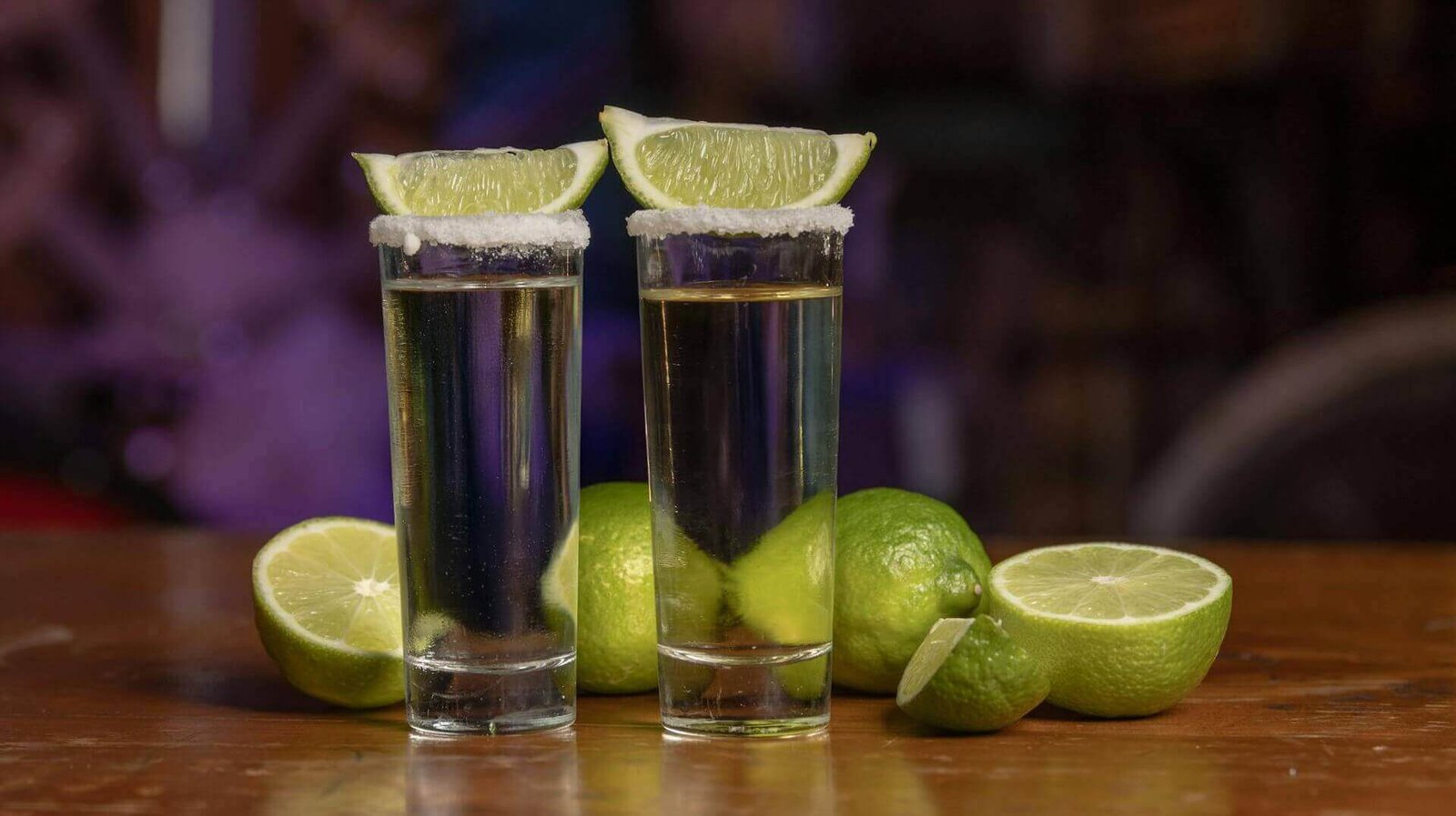

Tequila is one of the most distinctive spirits in the world, defined not only by flavour but by strict production laws and regional identity. For anyone undertaking a structured spirits course or advanced wine and spirits course, understanding tequila is essential to building strong category expertise.
What Is Tequila?
Tequila is a Mexican spirit distilled from Blue Weber agave (Agave tequilana Weber var. azul) and may only be produced in designated regions, most notably the state of Jalisco. Unlike other agave-based spirits, tequila must legally be made from this single agave variety.
Agave plants require patience. They take approximately six to ten years to mature before harvest. Skilled farmers known as jimadores remove the long, spiked leaves to reveal the heart of the plant, called the piña. These cores store carbohydrates in the form of inulin, a complex sugar that cannot ferment until converted through cooking.
Traditional Production Process
Cooking
The harvested piñas are baked in traditional brick ovens or steamed in autoclaves. This process breaks down inulin into fermentable sugars while developing sweet, vegetal and lightly roasted aromas characteristic of tequila.
Crushing and Extraction
After cooking, the softened agave is crushed to extract juice known as aguamiel. Some producers use a traditional stone wheel called a tahona, while others rely on mechanical shredders for efficiency.
Fermentation
The extracted liquid is fermented with cultured yeast, usually in stainless steel or concrete tanks. This stage converts sugar into alcohol and produces aromatic compounds that influence the final flavour profile.
Distillation
Tequila is typically distilled twice in either copper pot stills or stainless-steel column stills. The process concentrates alcohol and refines flavour. Only the “heart” portion of the distillation is retained for quality production.
For students pursuing a beverage course or spirits certification, understanding these steps provides clarity on how production choices influence style and aroma.

Types of Tequila by Composition
100 percent Agave Tequila
This style is made entirely from sugars derived from Blue Weber agave. It delivers the purest expression of the plant, often showcasing herbaceous, peppery and citrus-driven notes. These expressions are generally considered premium and are preferred for sipping or high-quality cocktails.
Mixto Tequila
This style of tequila must contain at least 51 percent agave sugars, with the remaining portion permitted from other sugar sources, commonly cane sugar. While often lighter and more economical, mixto styles may display simpler flavour profiles.
Types of Tequila by Ageing
Ageing transforms tequila by softening texture and introducing oak-derived flavours. The length of maturation determines classification.
Blanco (Silver)
Bottled immediately after distillation or aged for up to two months. Blanco tequila highlights fresh agave character with bright, peppery and vegetal notes.
Joven (Gold)
Usually a blend of unaged tequila with aged tequila or caramel colouring. It appears smoother and slightly sweeter in profile.
Reposado
Aged between two and twelve months in oak barrels, often previously used for bourbon. This style develops subtle vanilla, honey and warm spice characteristics while maintaining agave freshness.
Añejo
Matured for a minimum of one year in smaller oak casks. Añejo tequilas display deeper amber colour, rounder mouthfeel and notes of caramel, toasted oak and dried fruit.
Extra Añejo
Aged for over three years. These expressions are rich, complex and layered, often featuring pronounced oak influence alongside chocolate and spice nuances.
Why Tequila Knowledge Matters
Tequila has evolved beyond its reputation as a cocktail base or party shots. Premium expressions are increasingly appreciated neat, and curated agave selections are now a common fixture in upscale bars and restaurants.
For hospitality professionals undergoing hospitality training or seeking beverage professional certification, knowing the types of tequila strengthens:
- Accurate flavour description
- Confident guest recommendations
- Menu development insight
- Category differentiation
A clear understanding of production methods, composition rules and ageing styles enhances both tasting accuracy and service skills. By enabling professionals to help consumers make great drinking choices, professionals can ensure patronage.
If you are looking to deepen your knowledge of tequila and other global spirit categories, consider enrolling in WSET Level 2 in Spirits at Sonal Holland Academy. As India’s leading wine academy, it offers structured beverage education through online and offline certifications.
Develop your tasting precision. Strengthen your technical understanding. Advance your career in the field of spirits. Click here to know more about our upcoming batches for WSET Level 2 in Spirits.