
Most people drink spirits from whatever glass is available- a tumbler, a wine glass, sometimes even a coffee mug, and assume it doesn’t really matter. After all, it’s the liquid that counts, right?
Well, that assumption is wrong.
The glass you use plays a surprisingly important role in how a spirit smells, tastes, and feels. In fact, glassware can dramatically change your perception of a spirit, either enhancing it or completely ruining it.
Why Glass Shape Matters More Than You Think
When you drink a spirit, you’re not just tasting it- you’re smelling it. Aroma makes up a huge part of flavour, and glass shape directly controls how those aromas reach your nose.
A narrow rim concentrates delicate aromas, guiding them upward so you perceive more complexity. A wider bowl allows the spirit to interact with oxygen, helping release layered scents. Some glasses include a stem, preventing your hands from warming the spirit too quickly and altering its balance.
In short, the right glass doesn’t just hold the spirit- it shapes the entire sensory experience.
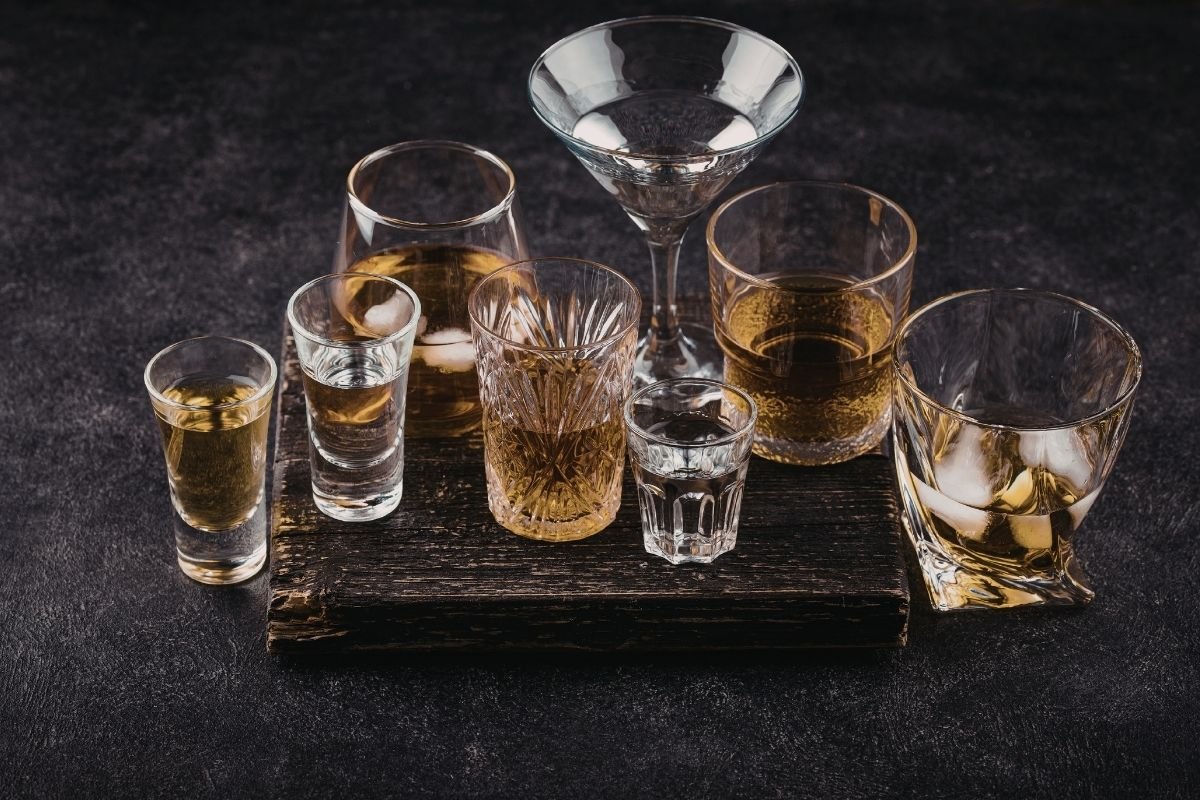
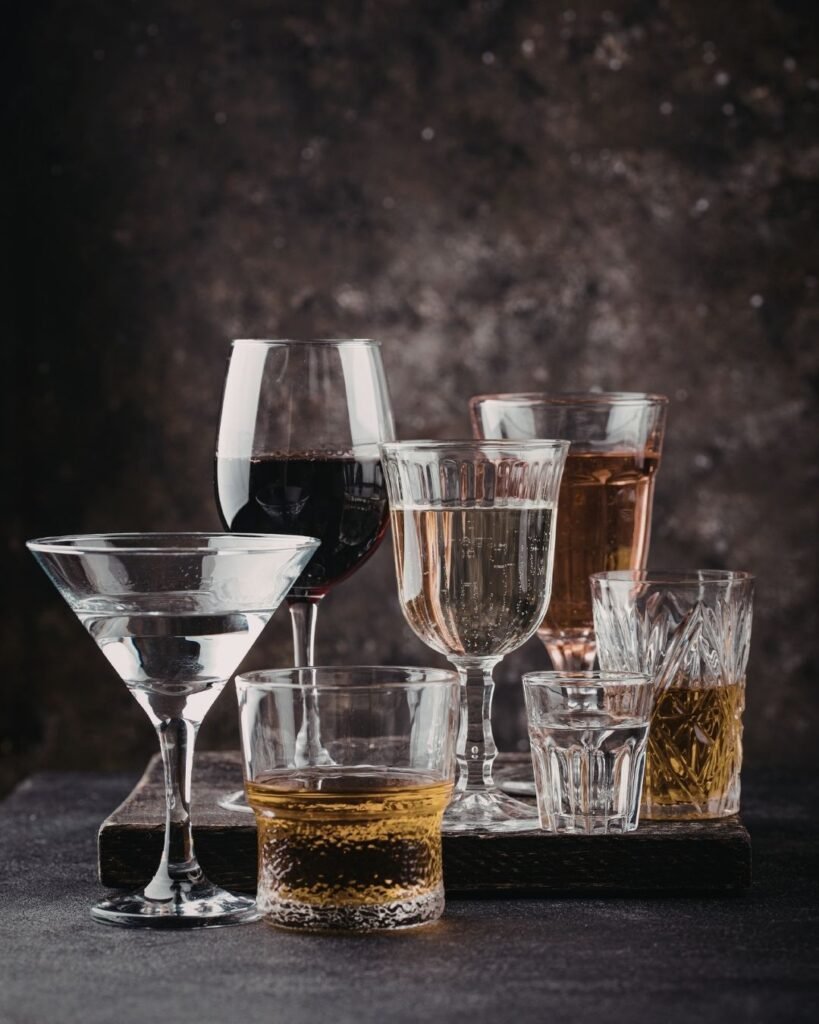
Different Types Of Glasses For Spirits
Martini or Cocktail Glass
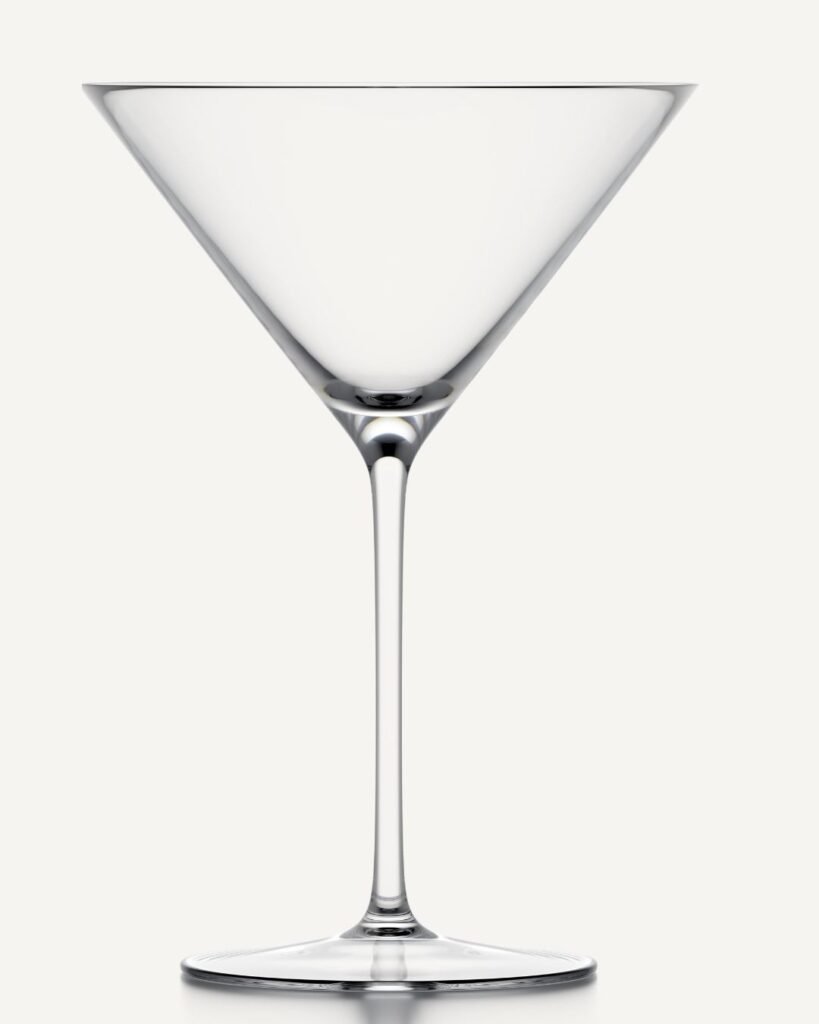
This classic stemmed glass features a wide, shallow bowl, designed for cocktails served without ice. Its shape keeps drinks cold while showcasing clarity and garnishes, making it perfect for martinis and other stirred or shaken cocktails served straight up.
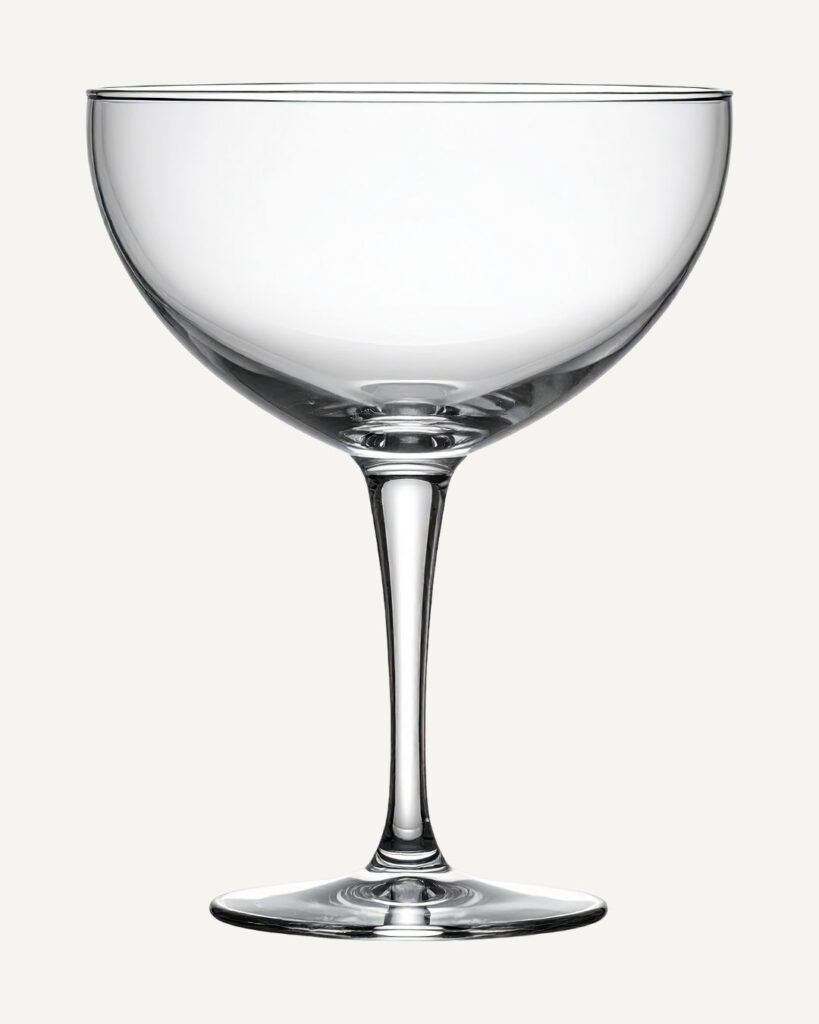
Coupe Glass
Often confused with a martini glass, the coupe has a broader, shallower bowl. It’s ideal for cocktails without ice and is easier to sip from, making it a favourite for elegant, balanced serves.
Highball Glass
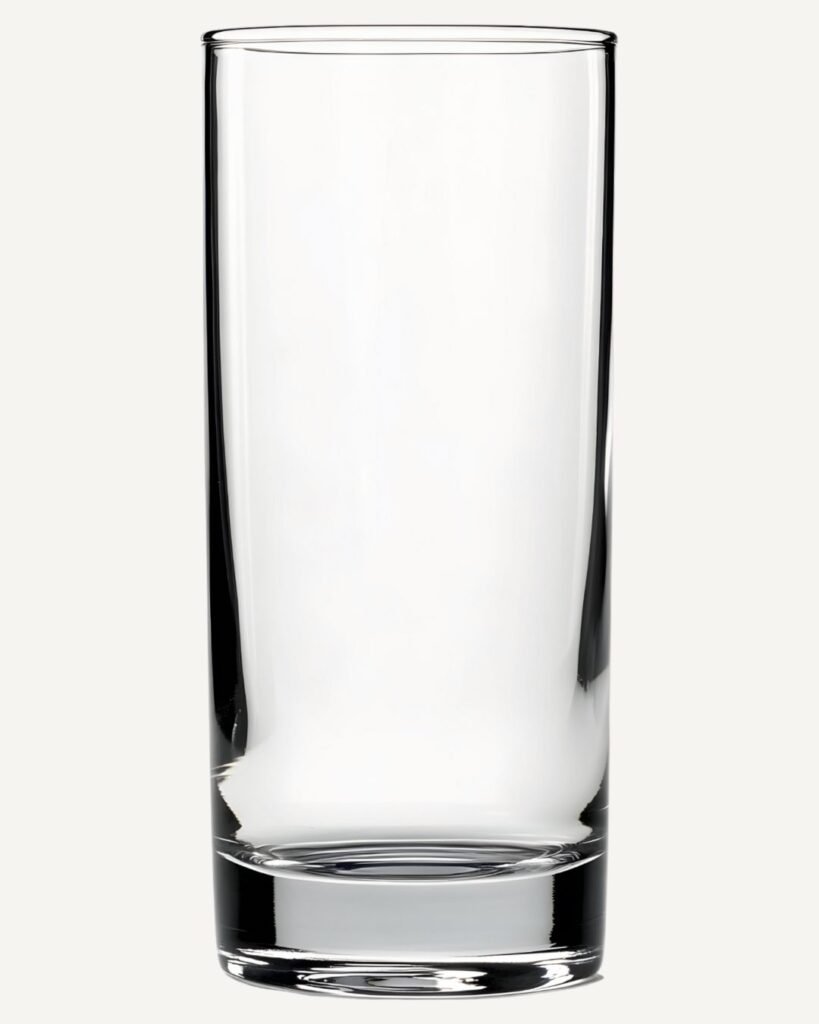
Tall and narrow, this glass is built for drinks with a larger volume of mixer. It keeps carbonation lively and works beautifully for refreshing serves like vodka soda, gin and tonic, or rum with mixers.
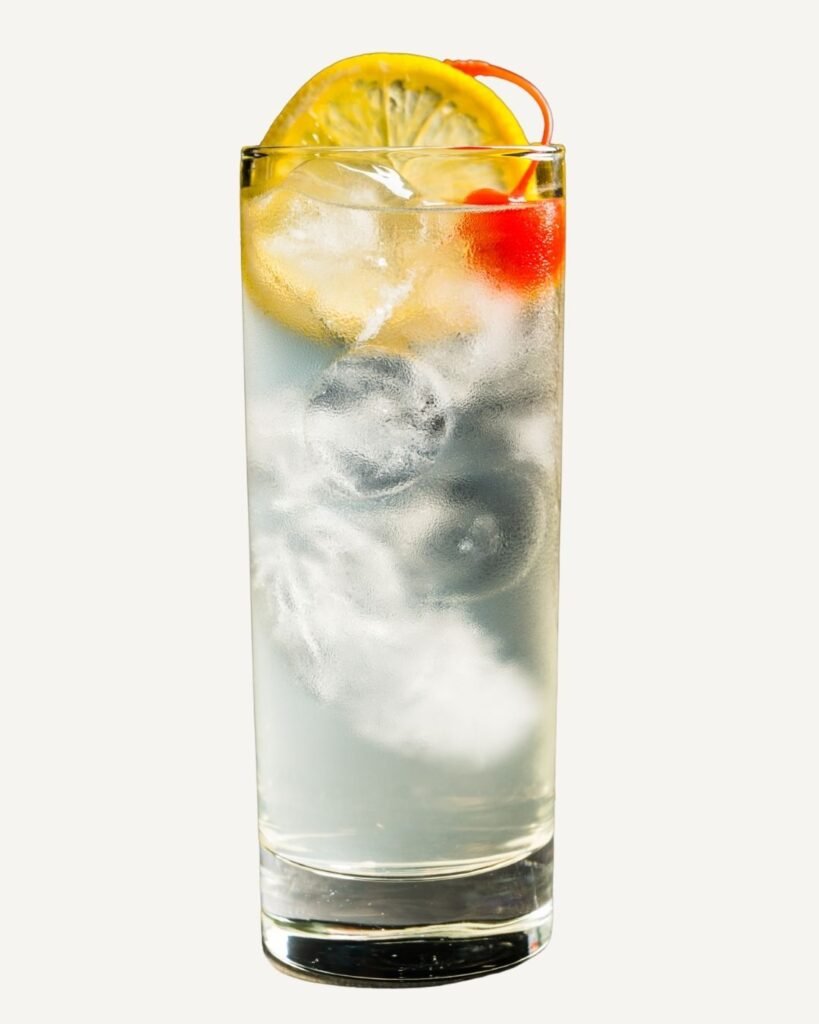
Collins Glass
Slightly taller than a highball, this glass is designed for long drinks topped with soda, such as a Tom Collins. The extra height allows room for ice, citrus, and effervescence without overwhelming the drink.
Rocks or Old Fashioned Glass
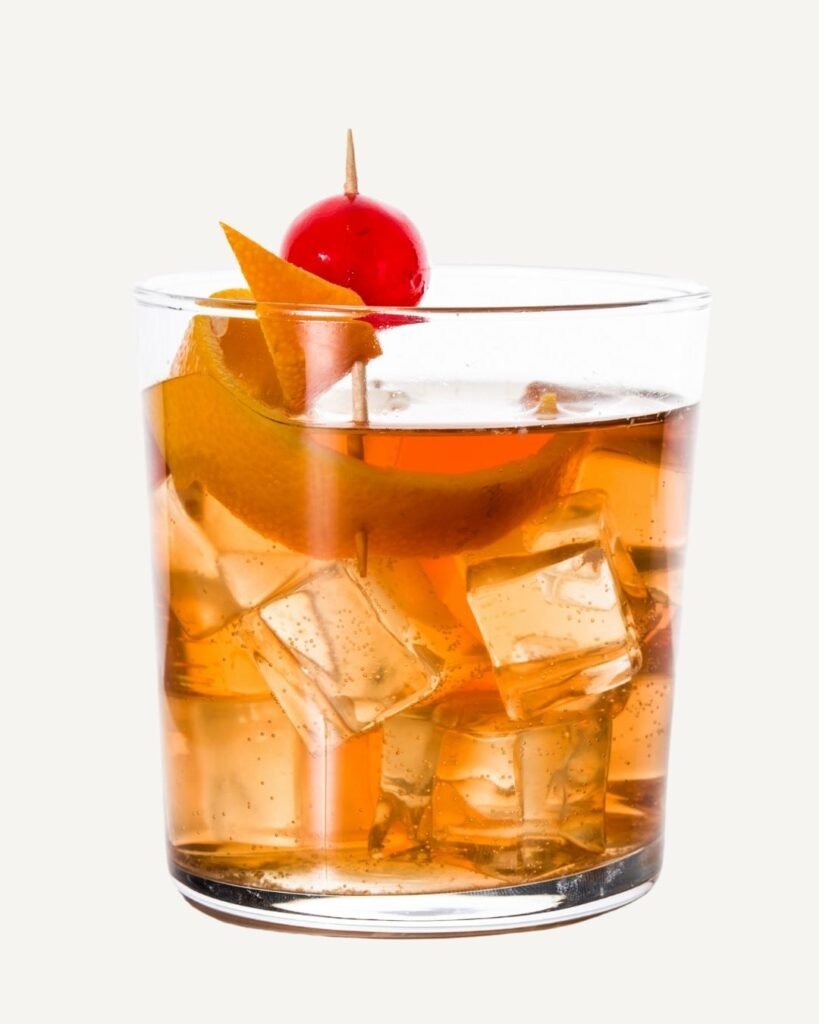
Short, sturdy, and timeless. This glass is perfect for spirits served neat or on the rocks, and for classic cocktails like the Old Fashioned. Its wide opening allows aromas to rise while supporting large ice cubes.
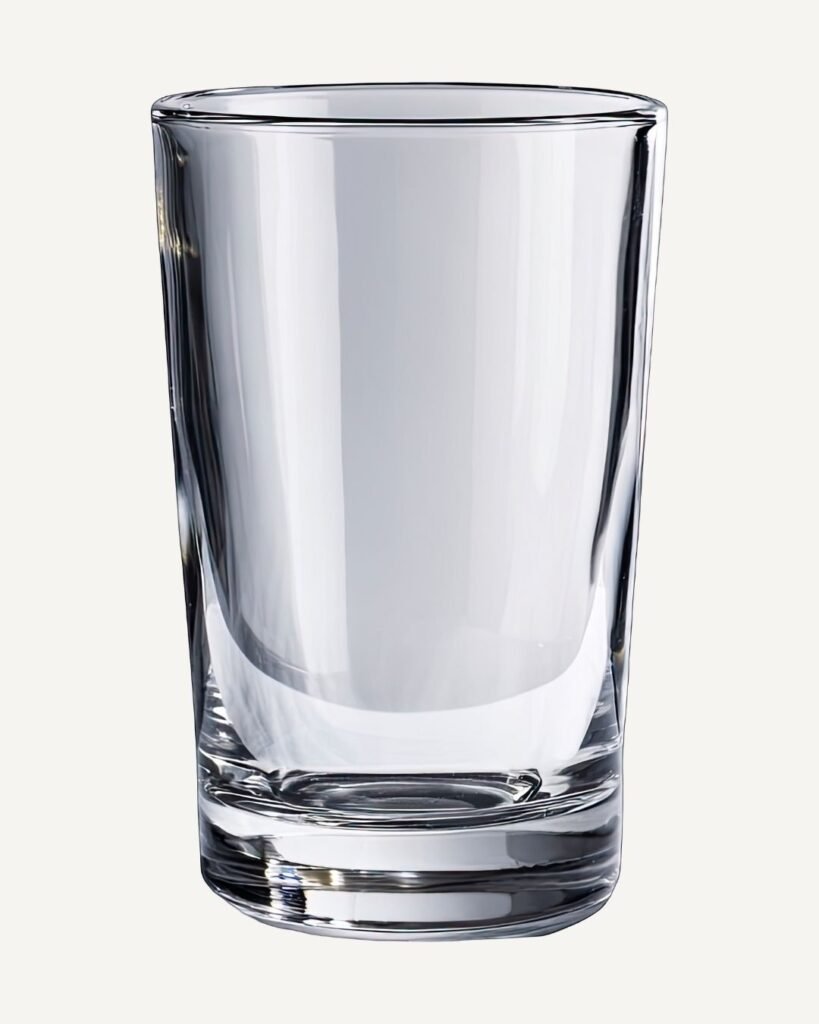
Shot Glass
Designed for measured pours, shot glasses are used for quick serves or tasting portions. While commonly associated with fast drinking, they’re also useful for controlled pours in professional settings.
Flute Glass
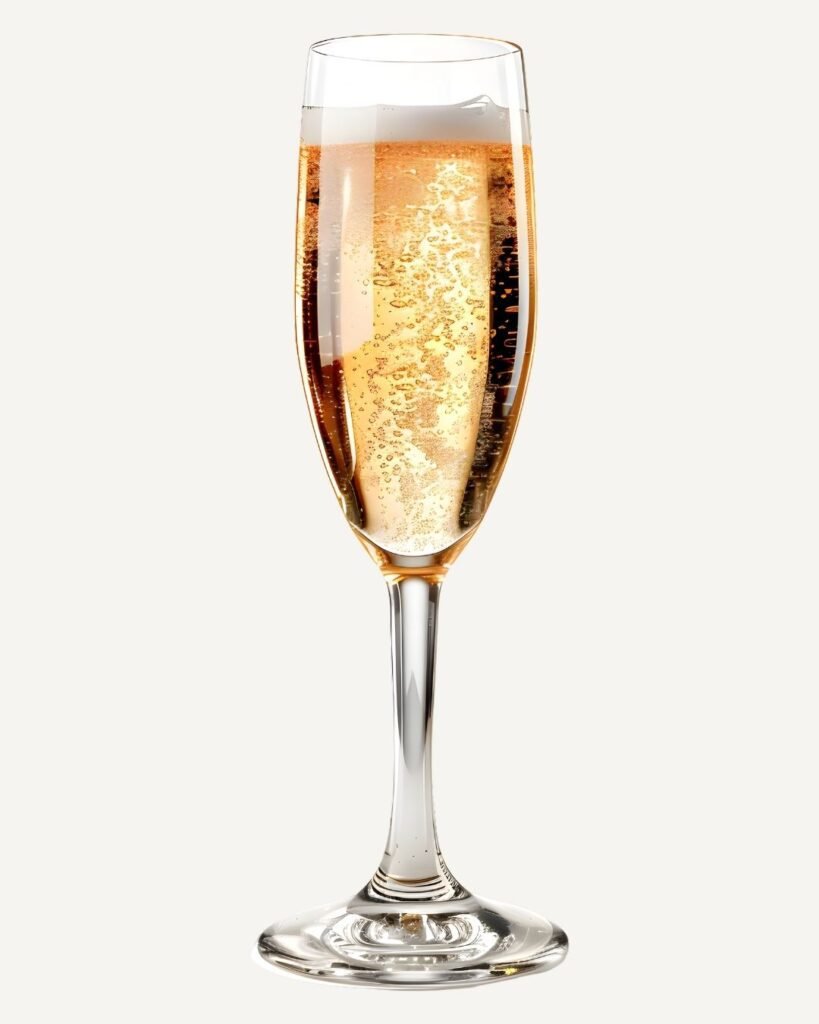
Tall and narrow, the flute is designed to preserve bubbles and focus delicate aromas. While traditionally used for sparkling wine, it also works well for champagne-based cocktails.
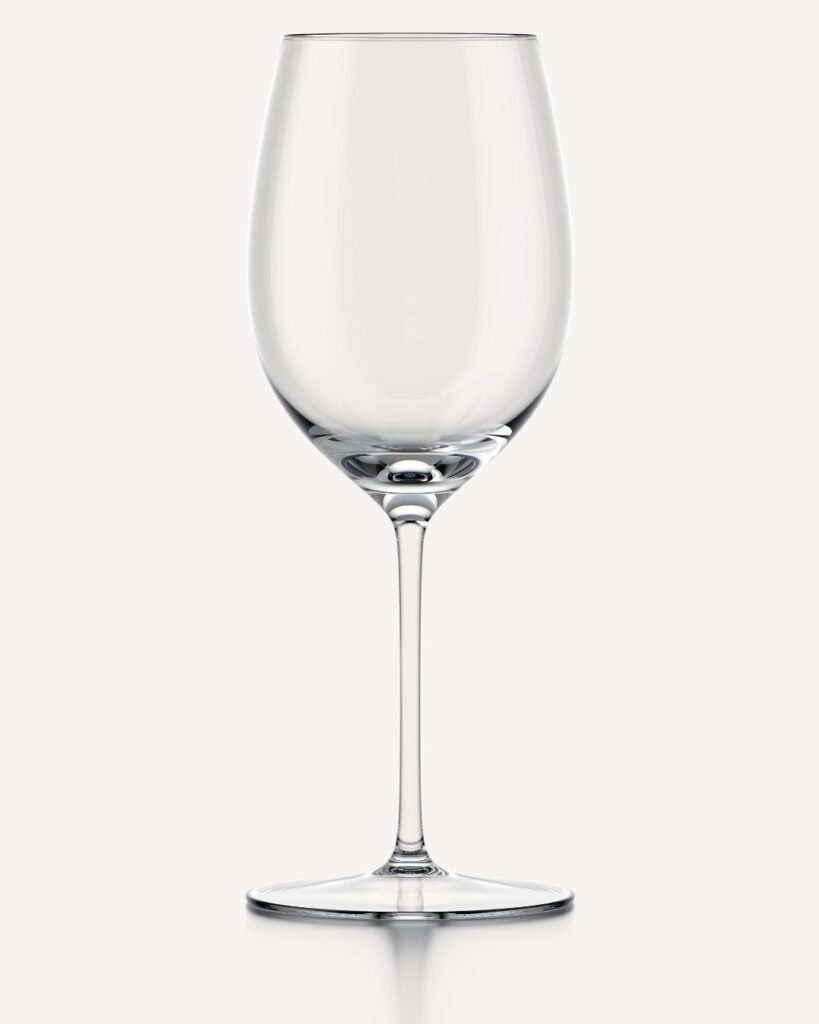
Wine Glass
Wine glasses are shaped to enhance aroma and balance acidity. They’re also widely used for wine-based cocktails, where aroma and temperature control are key.
Beer Mug or Pint Glass
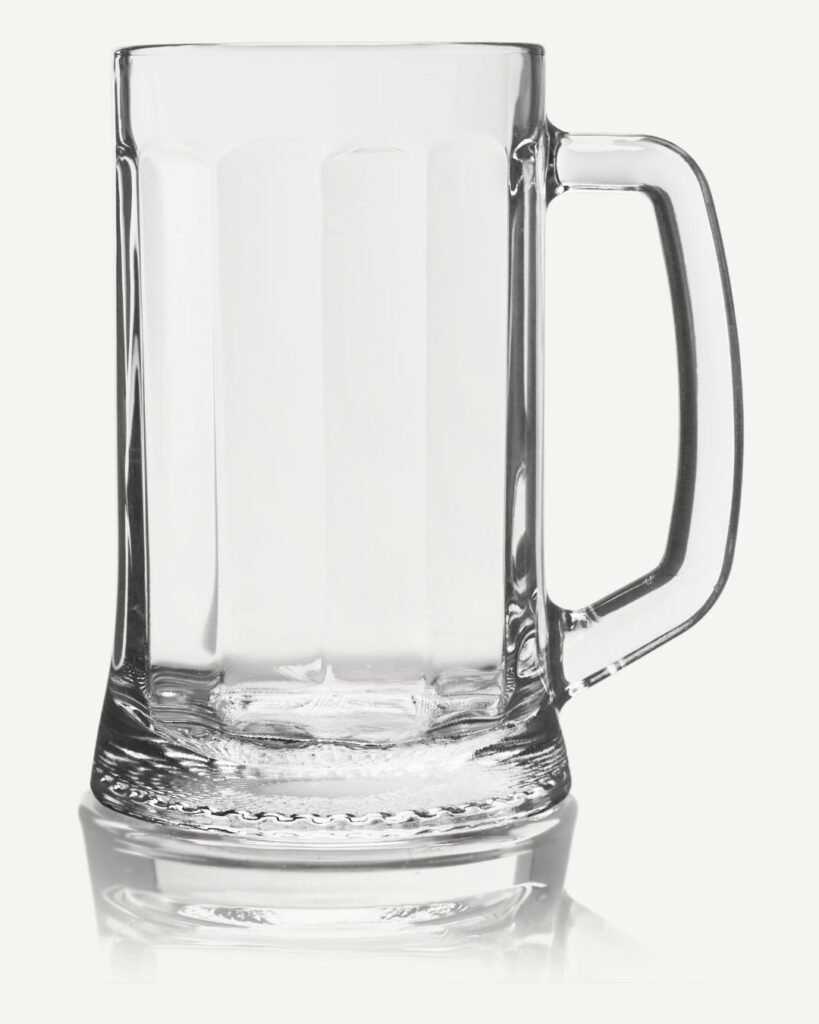
Built for beer, these glasses allow room for foam, release aromas, and maintain temperature. They’re also used for beer-based cocktails, where structure and volume matter
Serving Is a Skill, Not a Guess
Using the right glass is only the beginning. Proper serving techniques elevate the drink further:
- Large, clear ice cubes melt slowly, chilling the drink without watering it down-ideal for spirits on the rocks.
- A few drops of water can open up high-proof spirits, revealing hidden aromas and flavours.
- Over-chilling aged spirits like whisky or brandy dulls complexity, while vodka benefits from being ice-cold.
- Garnishes should enhance, not overpower; every peel, herb, or spice should have a purpose.
Storage: The Final Step Most People Forget
Even the best-served drink can suffer if the bottle isn’t stored properly.
- Spirits should always be stored upright to protect the cork.
- Keep bottles in a cool, dark place away from sunlight.
- Avoid temperature fluctuations, which can affect seals and flavour stability.
Stored correctly, most spirits will taste just as good years later as the day they were bottled.
Why This Matters- Especially in Hospitality
For consumers, the right glass turns an ordinary drink into a memorable one.
For hospitality professionals, it builds trust, confidence, and credibility.
Knowing why a drink is served a certain way makes recommendations easier, service smoother, and guest experiences more refined.
Want to Master This Skill Professionally?
Glassware, serving techniques, and storage aren’t just details; they’re core beverage skills. At Sonal Holland Academy, these fundamentals are taught as part of the Certified Beverage Professional (CBP) programme.
Designed for hospitality students, professionals, and serious enthusiasts, CBP builds real-world confidence across wines, beers, spirits, and cocktails, so you’re never guessing, only serving with purpose.
Because great service doesn’t start with the bottle.
It starts with the glass.