
Gin has experienced a remarkable renaissance in recent years. From craft distilleries in Goa to premium bars in Bangalore, this botanical spirit has captured the imagination of India’s alcobev industry. What makes gin such a fascinating drink is its incredible versatility and the artistry behind its production.
For beverage professionals pursuing spirits courses or WSET certifications, understanding gin production is essential. Moreover, as consumer interest in craft spirits grows, this knowledge becomes increasingly valuable in hospitality settings.
What Is Gin?
Gin is a spirit made by infusing neutral alcohol with botanicals. The defining botanical is juniper, which must be the predominant flavour by law. Without juniper’s distinctive piney, resinous character, a spirit cannot legally be called gin.
Beyond juniper, distillers use a vast array of botanicals. Common additions include coriander seeds, orris root, angelica root, and citrus peel. However, modern distillers experiment with hundreds of different botanicals to create unique flavour profiles.
Different Styles of Gin
Gin encompasses several distinct styles, each with different production rules and flavour characteristics. Understanding these categories helps beverage professionals make informed recommendations.
London Dry Gin
Despite its name, London Dry Gin can be made anywhere in the world. The “London Dry” designation refers to production method rather than geography. This style follows strict regulations that define its character.
Producers can add flavours only via redistillation. No artificial flavours or colours can be added post-distillation. Additionally, sweetening is minimal or absent entirely. These rules create gin’s signature crisp, dry profile with pronounced juniper notes.
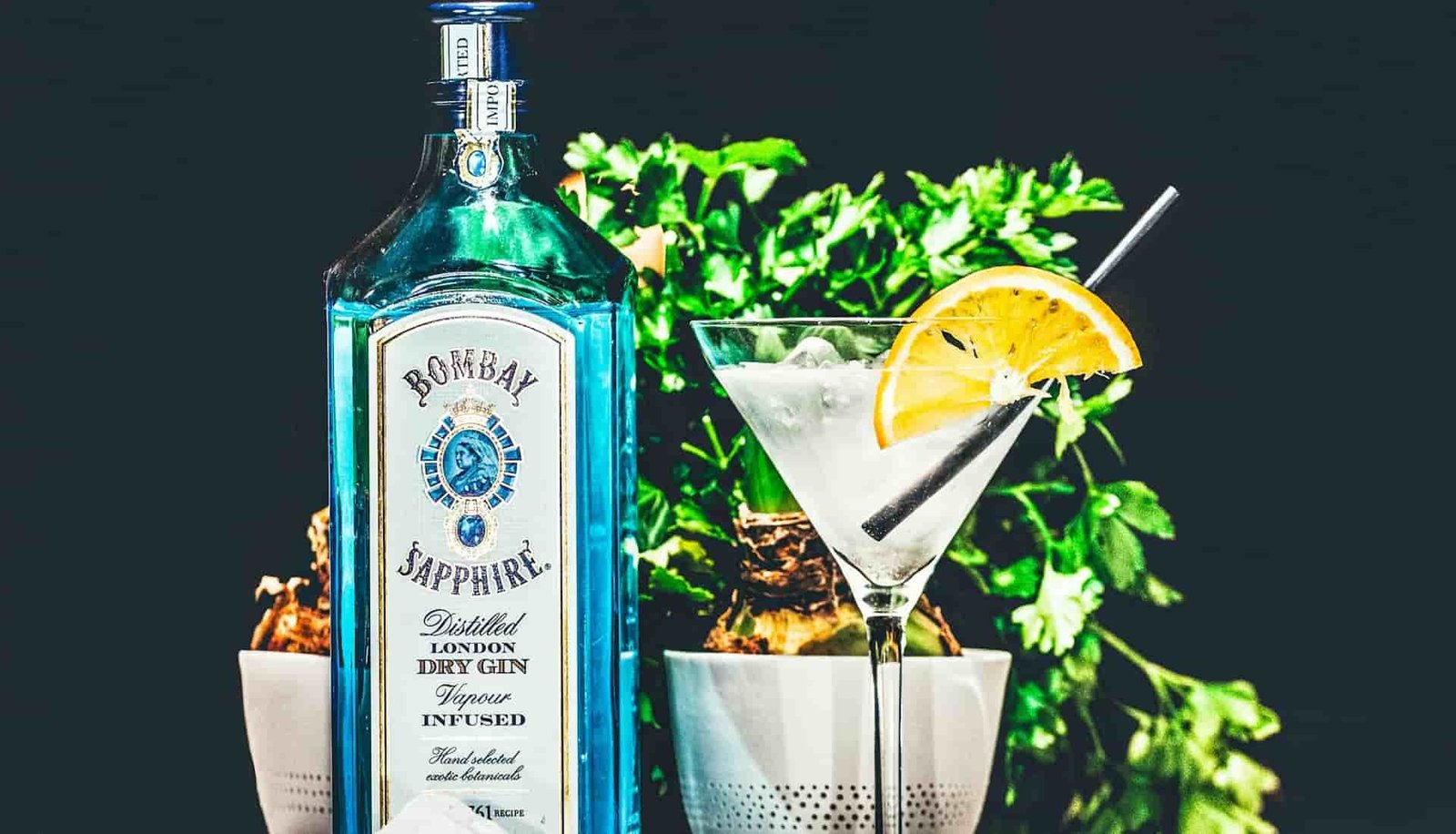
Brands like Bombay Sapphire and Tanqueray exemplify the London Dry style. The clean, juniper-forward character makes this style incredibly versatile for classic cocktails. For professionals completing wine and spirits course programmes, London Dry represents gin’s traditional benchmark.
Contemporary Gin
Contemporary gin embraces innovation and creativity. These gins use a much broader range of botanicals beyond traditional recipes. Distillers incorporate ingredients like lavender, lemongrass, rose, cucumber, hibiscus, pink peppercorn, tea, or regional herbs and fruits.
Contemporary gins are often small-batch and craft-distilled. Some contemporary gins reduce juniper prominence to showcase other botanicals. This approach appeals to consumers who find traditional gin too assertive.
The contemporary category has driven gin’s recent popularity surge. It attracts new consumers who might not enjoy classic London Dry styles.
How Is Gin Made?
Gin production begins with neutral spirit, typically distilled from grain. This base provides a clean canvas for botanical flavours. Understanding the production process is fundamental for anyone taking beverage training program India courses or pursuing beverage professional certification.
Creating Neutral Spirit
First, producers create or source high-proof neutral alcohol. This spirit typically reaches 96% ABV through column distillation. The neutral character ensures botanicals shine without interference from base ingredient flavours.
Adding Botanical Flavour
Producers use three main methods to infuse botanical character. Each technique creates different flavour outcomes and suits different production goals.
Maceration: Botanicals are steeped in neutral spirit to extract their essential oils and aromatic compounds. This cold extraction method works like making tea. The botanicals sit in alcohol for hours or days, gradually releasing their flavours.
Maceration captures delicate aromatics that might be lost through heating. However, it requires longer extraction times. Some producers combine maceration with other methods for complex results.
Redistillation: This method involves heating neutral spirit with botanicals in a still. As alcohol vapours rise, they pass through or over the botanicals. The vapours extract essential oils and aromatic compounds during this journey.
Redistillation creates pronounced flavour intensity. The heat accelerates extraction and concentrates botanical character. London Dry Gin requires this method exclusively. Most premium gins use redistillation because it produces refined, well-integrated flavours.
Essence Addition: Some producers add natural or artificial flavourings directly to neutral spirit. This method is faster and less expensive than redistillation. However, it typically produces less complex results.
Essence addition is common in mass-market gins. The method allows consistent flavour at scale. However, premium craft producers rarely use this technique alone.
Dilution and Bottling
After flavour addition, producers dilute the gin to bottling strength, typically 40-47% ABV. Finally, the gin is filtered and bottled for distribution.
Gin’s versatility makes it essential knowledge for hospitality professionals. The spirit works in countless cocktails, from classic martinis to contemporary creations. Understanding production methods helps you explain quality differences to guests.
Additionally, India’s growing craft gin movement creates opportunities for professionals with expertise. Recommending local craft gins supports regional producers while offering guests unique experiences. This knowledge demonstrates the value of structured learning through beverage academy India programmes.
The WSET Level 1 Award in Spirits at Sonal Holland Academy offers an ideal foundation for beverage professionals. This beginner-friendly course introduces you to global spirits categories, production techniques and service requirements. Students also learn a systematic approach to tasting.
Click here to know more about our upcoming batches for the course.