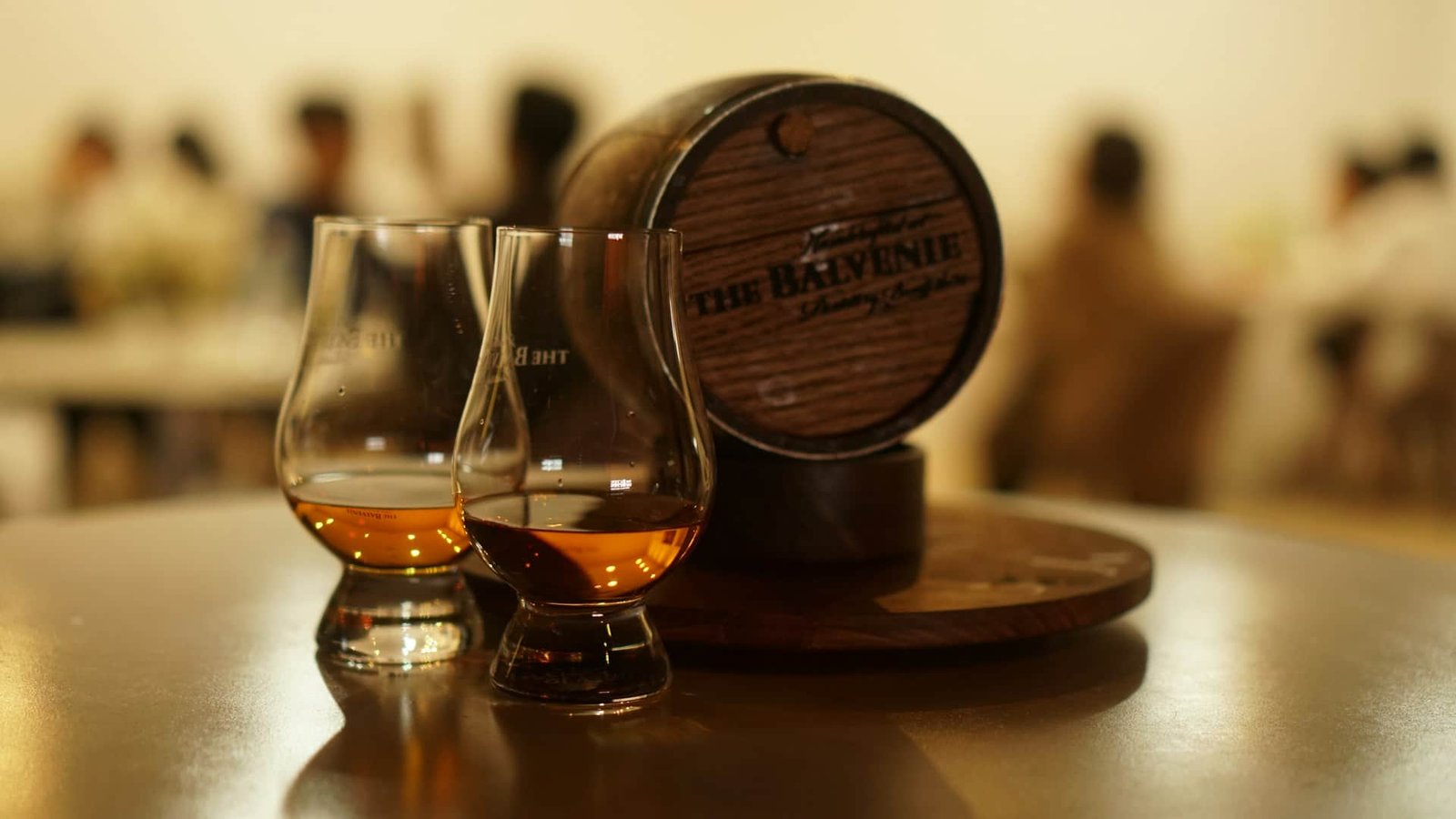

Pour a glass of aged rum, whisky, or brandy, and you’ll notice rich amber colour, smooth texture, and complex flavours. This transformation happens through oak maturation—one of the most critical processes in premium spirit production. Understanding what oak maturation is helps beverage professionals explain style, taste and quality differences to consumers. Thus, for hospitality and beverage professionals pursuing spirits training certification or beverage courses, oak ageing forms essential knowledge.
What Is Oak Maturation?
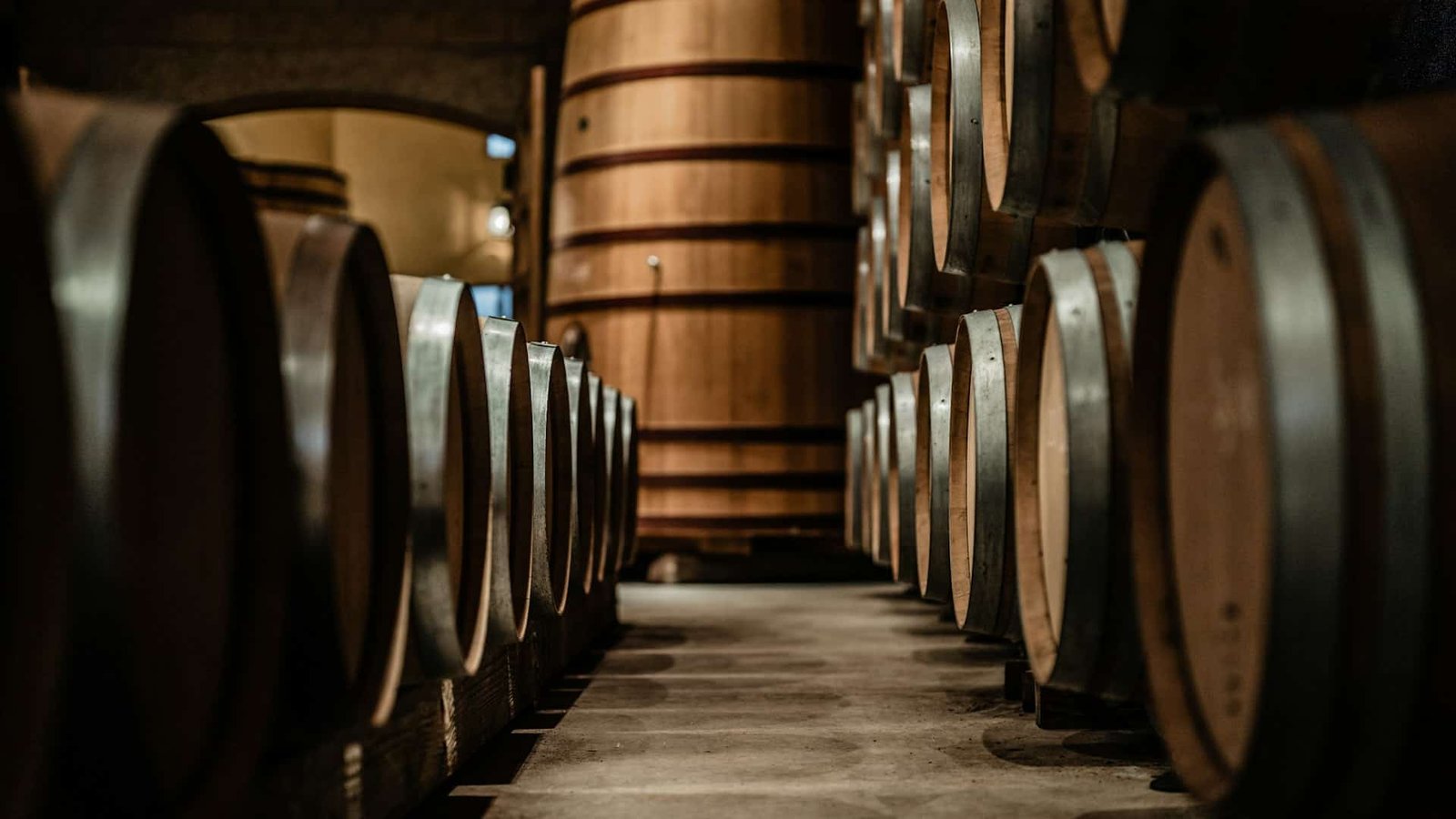
Oak maturation refers to the period during which distilled spirits age in oak barrels to develop their flavour, aroma, colour, and overall character. This ageing process transforms raw distillate into refined products suitable for consumption.
Newly distilled spirits are colourless and can retain certain harshness. The alcohol can burn on the palate with little complexity or refinement. Oak ageing fundamentally changes these characteristics, creating the smooth, flavourful spirits consumers expect from quality brands.
The process can last from months to decades, depending on the spirit category and desired style. During this time, multiple chemical reactions occur simultaneously, gradually improving the spirit’s quality.
Why Spirits Are Aged in Oak Barrels
Producers age spirits in oak barrels for several essential purposes that collectively enhance quality and character.
Developing Colour
Oak barrels impart colour ranging from pale straw to deep mahogany. Clear spirits gradually darken as they extract compounds from the wood. This natural colouring indicates age and quality to consumers.
Flavour Enhancement
Oak contributes distinctive flavour compounds to spirits. Common notes include vanilla, cinnamon, coconut, and cloves. These flavours integrate with the base spirit’s character, creating complexity and depth.
Softening the texture
Unaged spirits taste harsh and aggressive on the palate. Oak ageing softens the texture through chemical interactions. Tannins from the wood create smoothness and roundness. Consequently, well-aged spirits feel velvety on the palate.
Flavour Concentration
During maturation, spirits experience evaporation called “angel’s share.” Water and alcohol gradually escape through the pores in barrel wood. This concentrates the remaining liquid, intensifying flavours and aromas. Although distilleries lose some volume, the quality improves significantly.
How Oak Maturation Works
The maturation process involves several simultaneous chemical reactions that transform the spirit over time.
Absorption of Wood Compounds
Spirits gradually absorb compounds from the oak barrel walls. These include vanillin (vanilla flavour), tannins (texture and astringency), and spice lactones (coconut and woody notes). The absorption rate depends on multiple factors including barrel size, warehouse temperature, and spirit strength.
Oxidation
Small amounts of oxygen penetrate the barrel wood, causing controlled oxidation. This chemical reaction softens raw alcohol notes and develops new aromatic compounds. Oxidation creates complexity and mellows harsh characteristics. However, excessive oxidation produces undesirable flavours, requiring careful monitoring.
Evaporation and Concentration
The “angel’s share” represents spirit volume lost to evaporation during maturation. Cold climates experience lower evaporation rates; warm climates experience higher. This loss concentrates the remaining spirit, intensifying both desirable and undesirable characteristics.
Key Factors in Oak Ageing
Master distillers carefully consider several variables when selecting barrels and planning maturation programmes. These factors dramatically influence the final spirit’s character.
Barrel Age
New barrels never used before impart the most colour and flavour. Fresh oak contains maximum extractable compounds, creating intense characteristics. Conversely, older barrels previously used for ageing contribute subtler influence. Many distilleries prefer used barrels for their gentle, refined impact.
Previous Contents
Barrels previously holding other spirits or wines impart distinctive characteristics. Ex-bourbon barrels contribute vanilla and caramel notes. Ex-sherry casks add dried fruit and nutty flavours. Wine casks introduce fruity characteristics. This layering of flavours creates complexity prized in premium spirits.
Duration of Ageing
Oak ageing can change the colour of the spirit, ranging from gold to amber. Long-term oak ageing also gives spirits complex flavours of leather, wood polish, forest floor, and chocolate. It also removes harshness and gives a smoother mouthfeel.
Barrel Size
Smaller barrels impart more flavour than larger barrels. The ratio of spirit in contact with wood determines extraction intensity. Small barrels create rapid maturation with intense oak character. Large barrels impart flavours over a longer duration. Distillers select sizes strategically based on desired outcomes.
Warehouse Temperature
The temperature of the warehouse significantly impacts the interaction between wood and spirit. Warmth accelerates chemical reactions and increases evaporation. Cold slows the process, requiring longer maturation for equivalent development.
Humidity
Humidity levels affect what evaporates preferentially. Spirits lose more water in a dry climate, concentrating alcohol. Meanwhile, they lose more alcohol in high humidity, maintaining water content.
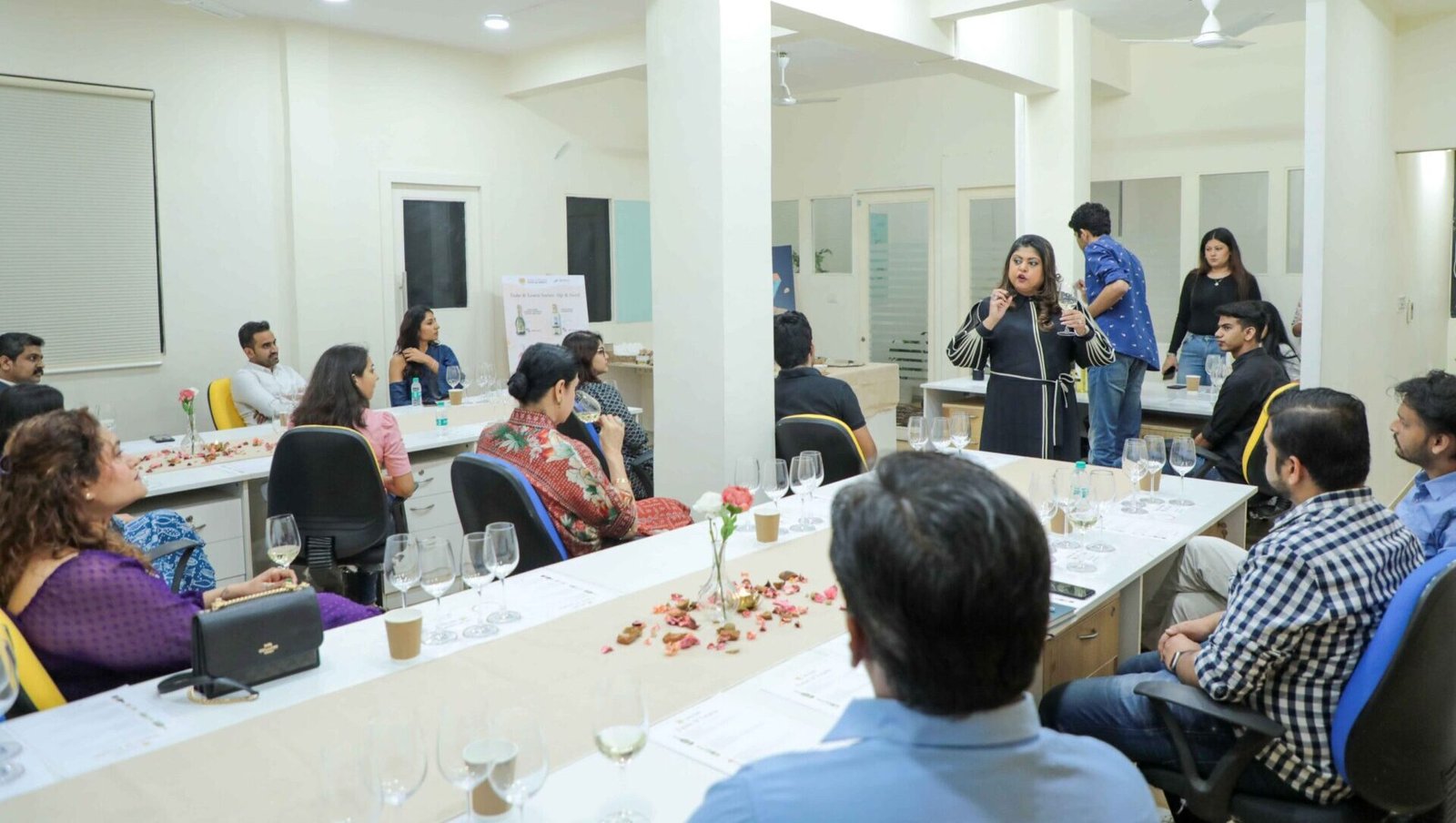
Build comprehensive expertise through professional training at Sonal Holland Academy. Sign up for the WSET Level 2 Award in Spirits and master the technical knowledge that advances beverage careers. Click here to know more about our upcoming batches for this certification.