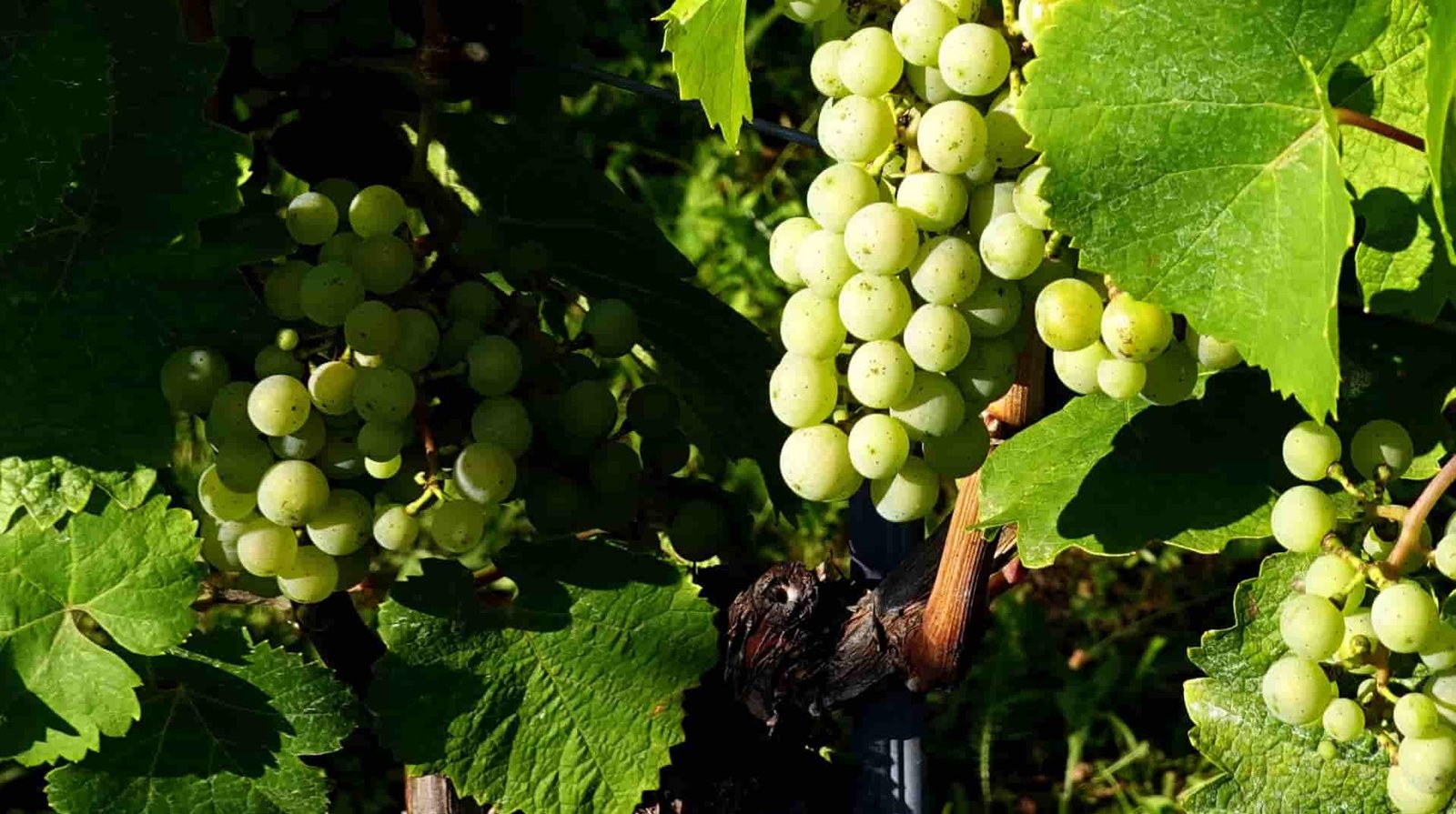

Riesling is one of the world’s most versatile and expressive white grape varieties. Although it is often associated with sweet wines, Riesling can produce an impressive range of styles, from bone-dry to intensely sweet. Its naturally high acidity, vibrant fruit character and remarkable ageing potential have earned it a loyal following among wine lovers and professionals alike.
For anyone pursuing WSET Level 3 in Wine or advancing their wine education in India, Riesling offers an excellent opportunity to understand how climate, harvest decisions and winemaking influence a wine’s final style.
What Makes Riesling Unique?
Riesling is an aromatic white grape that thrives in cool climates. One of Riesling’s defining characteristics is its naturally high acidity, which balances sweetness beautifully. The high acidity also gives the wines outstanding ageing potential.
Unlike many premium white wines, Riesling rarely benefits from oak ageing. Instead, winemakers prefer stainless steel or neutral vessels to preserve the grape’s delicate floral and fruit-driven aromas. Consequently, Riesling wines feel vibrant, precise and expressive, allowing the vineyard and climate to take centre stage.
How Does Riesling Taste?
The flavour profile of Riesling changes considerably depending on where the grapes are grown and when they are harvested.
In cooler climates, grapes ripen slowly and produce wines with flavours of:
- Green apple
- Pear
- Lime and lemon
- White flowers
- Flint
In warmer climates, the fruit reaches greater ripeness. As a result, the wines develop flavours of:
- Peach
- Apricot
- Mango
- Pineapple
Late-harvest and sweet Rieslings become even richer, displaying notes of dried fruit, honey and, with bottle age, the distinctive petrol character that many Riesling enthusiasts prize.
Despite these flavour differences, Riesling generally remains light to medium in body with refreshing acidity and moderate alcohol.
How Is Riesling Made?
One reason Riesling is so versatile lies in its winemaking.
Dry wines ferment until nearly all the natural grape sugar converts into alcohol. Meanwhile, off-dry and medium styles retain some residual sugar. Winemakers achieve this by stopping fermentation before all the sugar is consumed. Alternatively, they may use a small amount of sterile, unfermented grape juice, known as Süssreserve.
For sweeter styles, producers harvest grapes at higher ripeness levels. The naturally high sugar concentration can eventually stop fermentation, leaving residual sweetness in the finished wine.
Thanks to its naturally high acidity, Riesling ages exceptionally well. Over time, youthful citrus and floral notes evolve into complex aromas of honey, dried fruits and petrol while the wine retains remarkable freshness.
Germany: The Home of Riesling
Germany is widely regarded as the spiritual home of Riesling. It produces outstanding examples across a broad spectrum of sweetness levels.
Mosel
Mosel produces elegant, lighter-bodied Rieslings with high acidity and delicate sweetness. Steep vineyards overlooking the Mosel River maximise sunlight, allowing grapes to ripen despite the cool climate.
Rheingau
Rheingau generally produces drier Rieslings with greater structure. South-facing vineyards along the Rhine River help grapes achieve excellent ripeness while retaining freshness.
Pfalz
Located near the French border, Pfalz enjoys a slightly warmer climate. Consequently, the region produces dry, medium-bodied Rieslings with generous fruit character.
Understanding German Riesling Labels
German wine labels clearly indicate the level of sweetness. Learning these terms can improve wine recommendation and communication skills.
- Trocken – Dry
- Feinherb – Dry to off-dry
- Halbtrocken – Off-dry
Higher ripeness classifications include:
- Kabinett – Light-bodied wines with green apple, citrus and floral flavours.
- Spätlese – Late-harvest wines with fuller body and ripe citrus and stone fruit flavours.
- Auslese – Wines from specially selected ripe grape bunches. Most display some sweetness alongside concentrated tropical and stone fruit flavours.
- Beerenauslese (BA) – Sweet wines made from Botrytis-affected grapes, offering flavours of apricot, mango, dried fruits and honey.
- Trockenbeerenauslese (TBA) – Rare, intensely sweet wines produced from individually selected, raisined Botrytis grapes.
Riesling Beyond Germany
Alsace, France
Alsace produces some of France’s finest Rieslings. Protected by the Vosges Mountains, the region enjoys a sunny, dry climate with a long growing season.
Unlike many German examples, Alsace Rieslings are usually dry. They combine pronounced citrus and stone fruit flavours with high acidity and excellent ageing potential.
Australia
Australia has also established an outstanding reputation for Riesling, particularly in Eden Valley and Clare Valley.
Their elevated vineyards provide moderate climates that preserve freshness while developing expressive flavours of lime, peach and the distinctive petrol character that appears with age.
Serving and Food Pairing
Serve Riesling between 7°C and 12°C in a standard white wine glass.
Its combination of high acidity and varying sweetness makes Riesling one of the most food-friendly white wines.
Lighter, drier styles pair beautifully with sushi, sashimi and delicate seafood. Meanwhile, off-dry and sweeter examples complement spicy Indian and Asian dishes because the residual sugar softens chilli heat while the acidity keeps the palate refreshed.
Richer Rieslings also pair well with duck, chicken, pork and dishes featuring fragrant herbs and aromatic spices.
Level up your knowledge of different grape varieties and give your wine career an unbeatable edge. Sign up for WSET Level 3 Award in Wines at the Sonal Holland Academy. Click here to know more.