
Mezcal is one of Mexico’s most distinctive agave spirits. It is often associated with smoky flavours, but that description only tells part of the story. Mezcal can show smoky, earthy and vegetal flavours, with its character shaped by the agave and production method.
Mezcal is often overshadowed by its much popular cousin- Tequila. Since both are agave spirits from Mexico, most consumers mistake one for the other. However, their taste, regional prodcution choices, and the cultural signifance couldn’t be more different.
So let’s learn about mezcal!
What Is Mezcal?
Mezcal is a Mexican spirit made from agave. Unlike Tequila, mezcal producers can use different species of agave.
Producers make mezcal in nine Mexican states, with Oaxaca as its most important production centre. The majority of mezcal comes from this southern state.
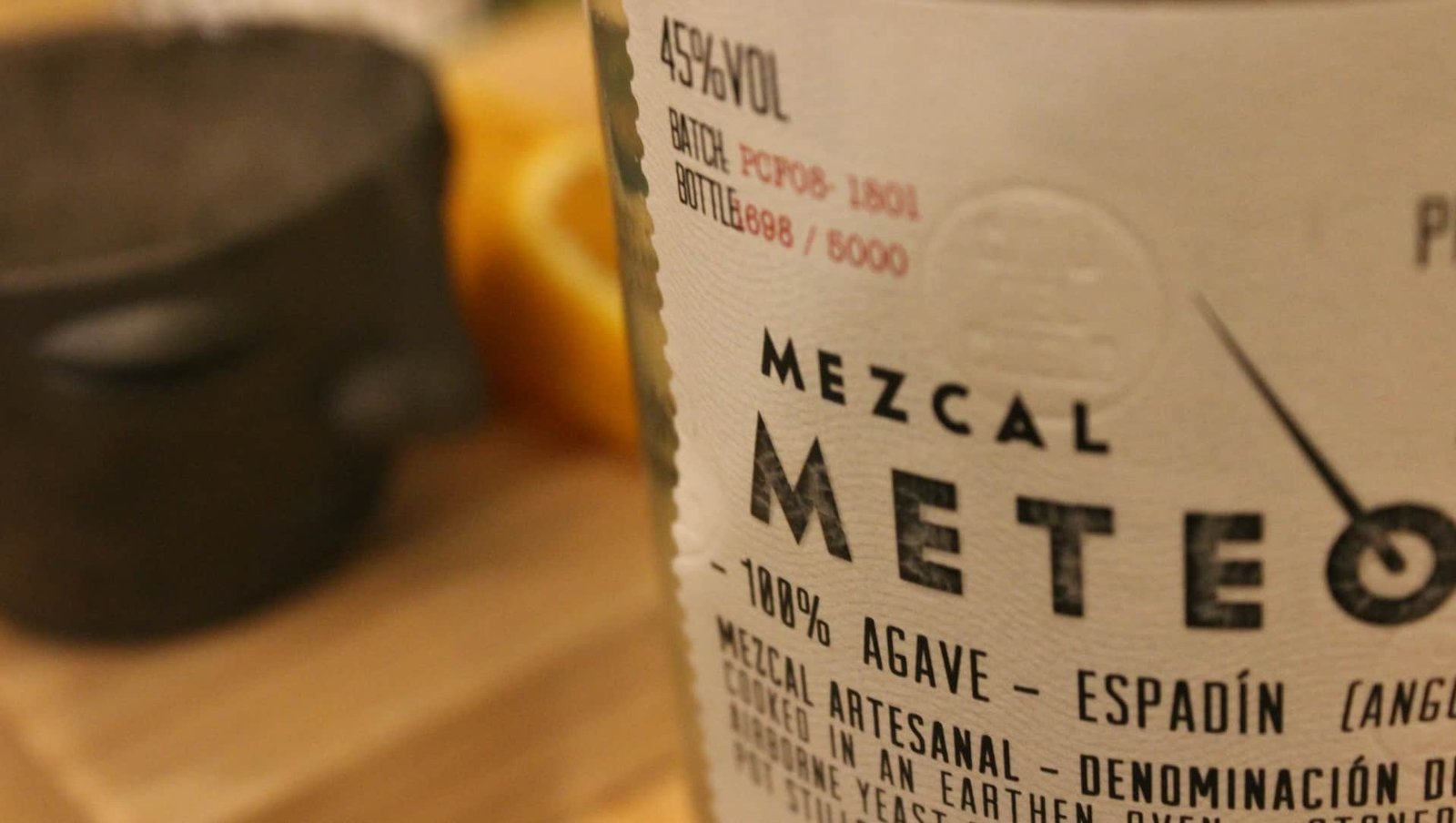
Producers commonly use Agave angustifolia Haw, better known as espadín, particularly in Oaxaca. Different agave species can create different flavours. However, agave spirits commonly show earthy and vegetal aromas.
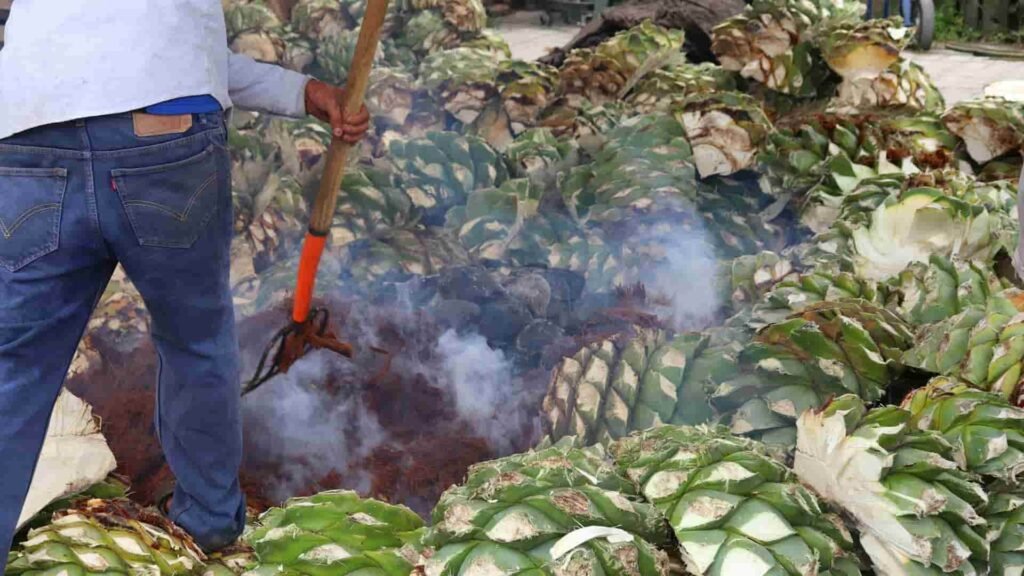
Another important point: not every mezcal tastes smoky. Roasting the agave piñas often creates this signature smoky flavours, but the final character depends on several production choices.
How Is Mezcal Made?
Traditional mezcal production combines roasted agave with fermentation and distillation techniques that can create an intense, distinctive spirit.
Roasting plays an important role in many styles. Producers cook the agave piñas before crushing them. They may also include agave fibres during fermentation. Both choices can influence the spirit’s final flavour.
Producers can use pot or column stills. However, many high-quality mezcals use small, simple pot stills. Distillers may make these from copper, clay or even wood and heat them directly. These stills can produce a low-strength distillate with pronounced flavour intensity.
Producers often keep mezcal in inert vessels for a short time before bottling to preserve freshness. Certain classes of mezcal are aged in oak to add more complex character and a silkier texture.
Types of Mezcal by Age
You may see three important mezcal ageing terms on a bottle label:
- Blanco or Joven: Unaged mezcal. It has no minimum ageing requirement.
- Reposado: The youngest spirit in the blend spends at least two months in oak.
- Añejo: The youngest spirit in the blend spends at least one year in oak barrels.
Age is only one way to understand mezcal. Labels may also identify the production category as Mezcal, Artesanal Mezcal or Ancestral Mezcal. These categories relate to the production techniques a distiller can use, rather than how long the spirit ages.
Deepen Your Expertise in Spirits
Want to move beyond basic spirits knowledge? The WSET Level 3 Award in Spirits develops a deeper understanding of production, style and quality across major global spirits categories.
Study WSET Level 3 Spirits at Sonal Holland Academy with:
- Expert-led training with WSET educators
- 55+ international spirits samples
- Internationally recognised certification
- Career and networking opportunities in the alcobev industry
- Training with Le Nez du Vin, the world-renowned aroma kit that helps you identify and memorise aromas
Build the structured knowledge and tasting skills you need to understand spirits at a professional level. Click here to know more about our upcoming batches for this course.