
If you enjoy beer or have ever wondered how its flavours are created, you may have asked yourself: what gives beer such a distinct taste? The answer is hops- one of the most important ingredients in brewing. It plays a crucial role in shaping a beer’s bitterness, aroma and overall balance.
For anyone beginning a beer course or exploring a complete beverage course in India, learning about hops provides a clear introduction to how brewing ingredients influence flavour. While beer is traditionally made from four core ingredients—water, malted grains, yeast and hops—it is often the latter that gives beer its distinctive character.
Understanding how hops work in brewing is therefore an essential step for hospitality professionals and bartenders pursuing hospitality training or a beverage professional certification.
What Are Hops?
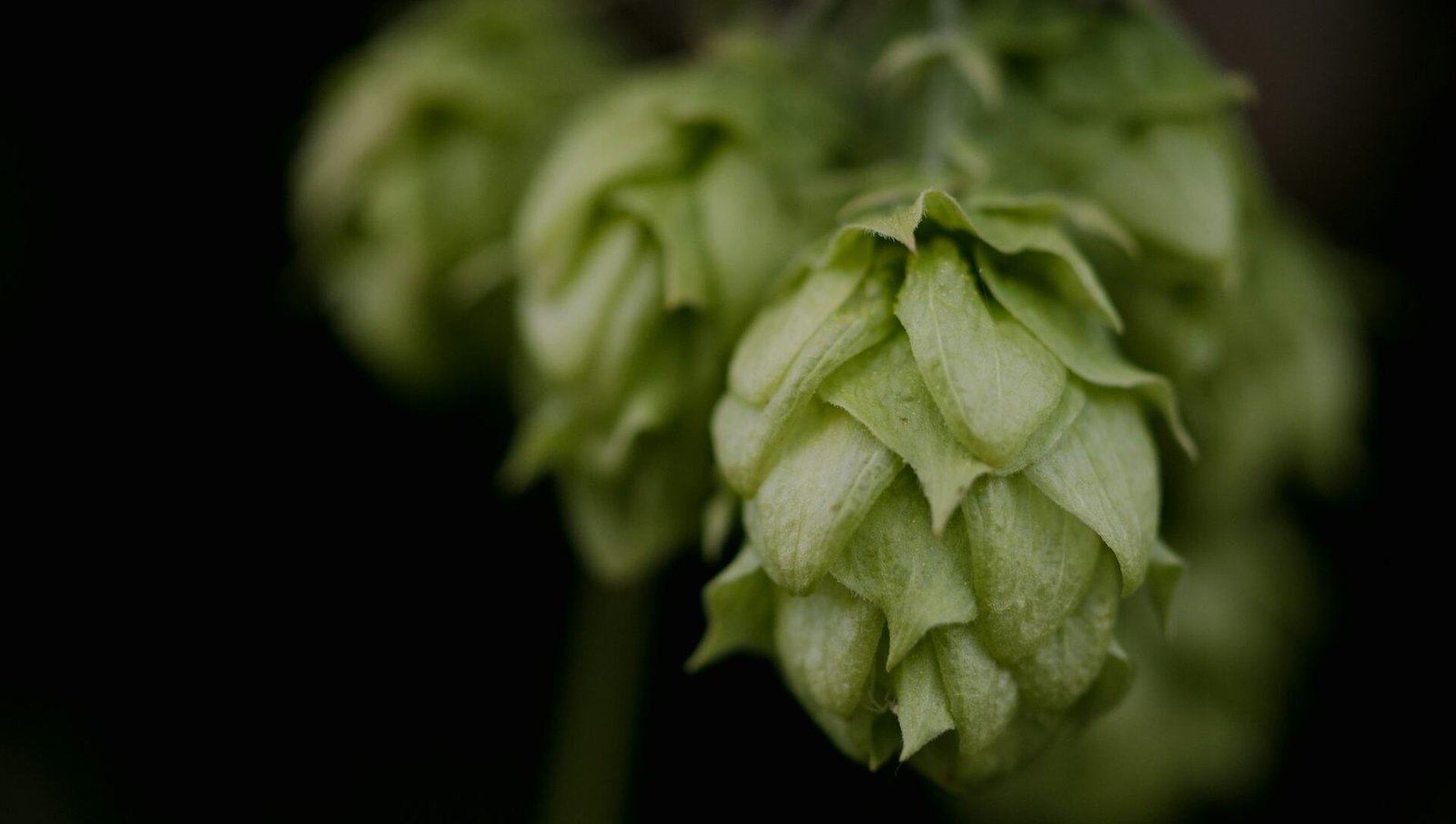
Hops are the cone-shaped flowers of the plant Humulus lupulus, a perennial climbing vine cultivated in temperate climates around the world. These small green cones contain important brewing compounds that influence both the taste and aroma of beer.
Inside the hop cone are tiny yellow glands known as lupulin glands. These glands contain resins and essential oils that are released during the brewing process. The resins contribute bitterness, while the oils produce the distinctive aromas associated with different beer styles.
Because of this combination of bitterness and aromatic compounds, hops have become an indispensable ingredient in brewing.
Why Are Hops Used In Beer?
Hops serve three key purposes in brewing: bitterness, aroma and preservation. Each function contributes to the balance and stability of the final beer.
Adding Bitterness
One of the primary roles of hops is to add bitterness. Malted barley, another essential ingredient in beer, contributes sweetness and body. Without hops, many beers would taste overly sweet and lack balance.
During the brewing process, hop resins release compounds known as alpha acids. When these acids are heated during boiling, they transform into substances that create bitterness in the beer. This bitterness helps counteract malt sweetness and provides a crisp, refreshing finish.
Different beer styles contain varying levels of hop bitterness. For instance, India Pale Ales (IPAs) are known for their pronounced bitterness, while many lager styles display a softer and more balanced profile.
Understanding this balance is an important concept for students taking a beer course or introductory beverage course.
Contributing Aroma and Flavour
In addition to bitterness, hops provide a wide variety of aromas and flavours that define many modern beer styles.
The essential oils found in hops can produce aromatic notes such as:
• Citrus
• Pine
• Floral characteristics
• Herbal or grassy aromas
• Tropical fruit notes
• Spicy nuances
Different hop varieties create different aromatic expressions. Modern brewing has introduced hundreds of hop varieties, each contributing unique sensory characteristics.
Acting as a Natural Preservative
Hops also possess natural antimicrobial properties that help protect beer from unwanted microorganisms. These compounds inhibit the growth of certain bacteria that could otherwise spoil the beverage.
Historically, this preservation effect was particularly valuable when beer had to travel long distances. For example, heavily hopped beers such as India Pale Ale were originally developed to survive long sea voyages.
Today, while modern brewing technology provides additional stability, hops still contribute to the overall shelf life of beer.
When Are Hops Added During Brewing?
The stage at which hops are added during brewing significantly influences the beer’s final flavour and aroma. Brewers carefully time hop additions to achieve the desired sensory outcome.
Early Boil Additions – Bitterness
Hops added at the beginning of the boiling stage primarily contribute bitterness. The long boiling period converts alpha acids into bitter compounds while many delicate aroma oils evaporate.
Late Boil or Whirlpool Additions – Flavour
When hops are added later in the boil or during the whirlpool stage, more aromatic oils remain in the beer. This produces noticeable flavour notes such as citrus, herbal or pine characteristics.
Dry Hopping – Aroma
Dry hopping involves adding hops after fermentation has taken place. Because the hops are not boiled, their aromatic oils remain intact. This technique produces intense aroma while adding minimal additional bitterness.
Dry hopping is widely used in modern craft beers, particularly hop-forward styles like IPAs and pale ales.
For students enrolled in a beer course or broader alcohol beverage course, understanding these techniques helps explain how brewers design flavour profiles.
The Certified Beer Professional course will help you take your first step into the world of beer education. Click here to know more about the Certified Beverage Professional course.