
Wine lovers often hear terms such as oak ageing, terroir and fermentation. However, one of the most fascinating influences on wine quality comes from a fungus. Known as Botrytis cinerea, this naturally occurring fungus can transform ordinary grapes into some of the world’s most prized sweet wines.
At first glance, the idea of a fungus growing on grapes may not sound appealing. Yet under the right conditions, Botrytis creates extraordinary wines that command premium prices and enjoy global recognition. Therefore, understanding Botrytis is important for anyone pursuing wine education in India.
Let’s explore what Botrytis is, how it affects grapes and why wine professionals need to understand its role in winemaking.
What Is Botrytis?
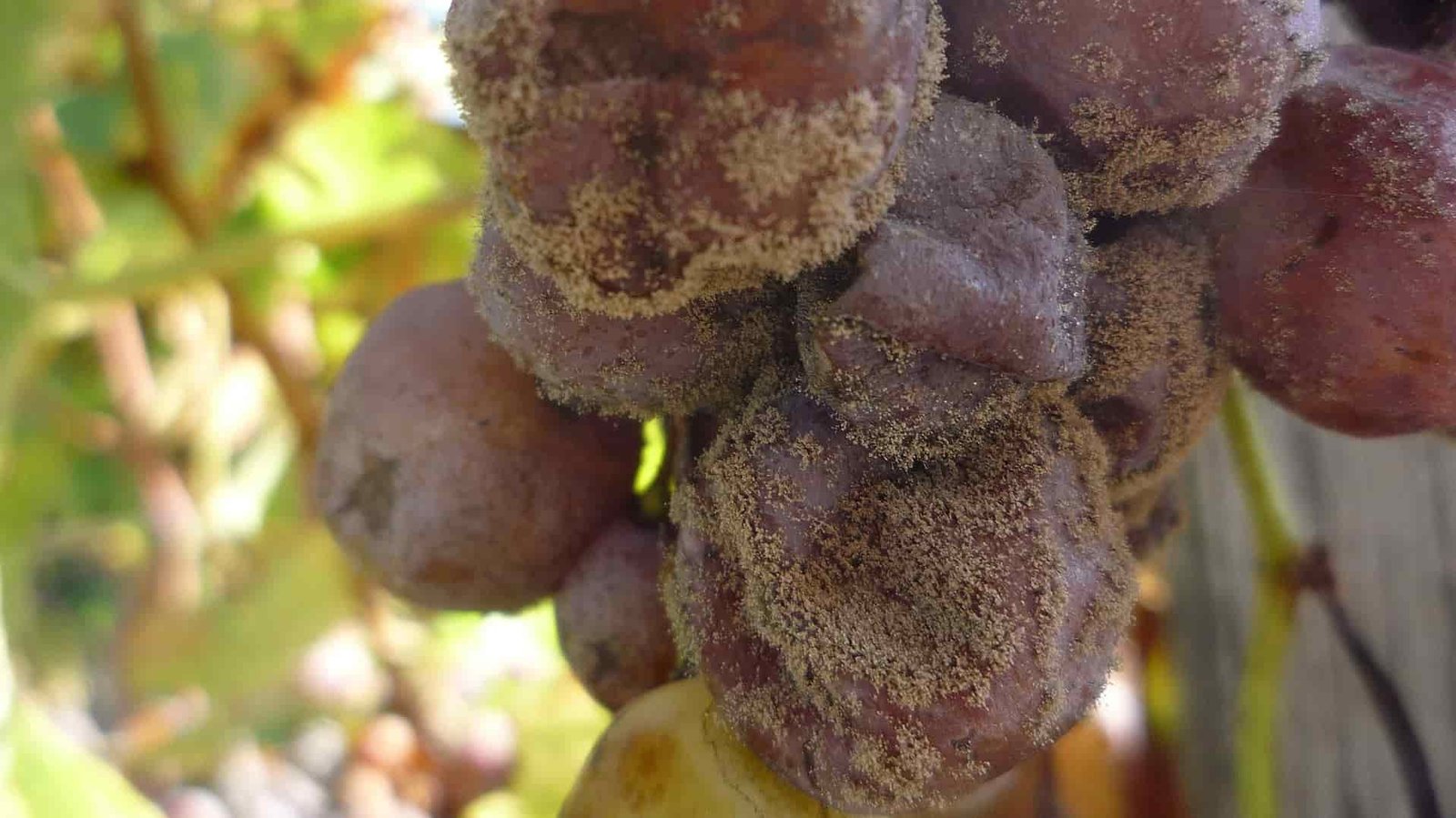
Botrytis is a fungus that can grow on ripe grapes. In most agricultural settings, fungal infections are undesirable because they damage crops. However, under specific vineyard conditions, Botrytis can become beneficial. When this happens, wine professionals refer to it as noble rot.
Noble rot develops when the fungus creates tiny holes in grape skins. Consequently, water inside the grapes begins to evaporate. As the grapes lose water, the sugars, acids and flavour compounds become increasingly concentrated.
As a result, the flavour intensity in the grape goes up, allowing winemakers to create rich, complex and beautifully balanced sweet wines.
How Does Noble Rot Develop?
Botrytis only becomes beneficial when nature provides a very specific set of conditions.
First, the fungus must grow on fully ripe grapes. If it develops too early, it can damage the fruit before optimal ripeness.
Second, the vineyard needs a combination of:
- Damp or misty mornings
- Moderate humidity
- Warm and dry afternoons
The morning moisture encourages the fungus to spread across the grape skins. Meanwhile, the dry afternoons limit excessive fungal growth and prevent the grapes from completely deteriorating.
Because these conditions are difficult to achieve consistently, noble rot remains relatively rare.
How Does Botrytis Affect Grapes?
The impact of Botrytis extends far beyond sweetness.
As water evaporates from the grapes, several important changes occur:
Higher Sugar Concentration
The grapes become naturally sweeter because the sugars concentrate within a smaller volume of juice.
Increased Flavour Intensity
Flavours become more concentrated and expressive. Therefore, the resulting wines often display remarkable depth and complexity.
Richer Texture
Botrytis-affected wines frequently develop a luxurious mouthfeel. As a result, they can feel rich and luscious while still maintaining balance.
Distinctive Aromas
Many noble rot wines show aromas of:
- Honey
- Apricot
- Peach
- Marmalade
- Dried fruits
- Floral notes
These characteristics make noble rot wines instantly recognisable to experienced tasters.
Which Wines Use Botrytis?
Winemakers almost exclusively use Botrytis-affected grapes to produce sweet wines.
Some of the world’s most famous examples include:
- Sauternes from Bordeaux, France
- Tokaji Aszú from Hungary
- Certain sweet wines from Germany and Austria
Because the grapes require multiple passes through the vineyard and careful selection, production can be labour-intensive. Consequently, many noble rot wines occupy the premium segment of the market.
Noble Rot vs Grey Rot
It is important to distinguish noble rot from harmful rot.
When conditions remain excessively wet and humid, Botrytis can spread uncontrollably. Instead of concentrating flavours, it destroys the grapes. Winemakers refer to this undesirable form as grey rot.
Therefore, successful noble rot production depends on maintaining the delicate balance between moisture and dryness.
Why Should Wine Professionals Understand Botrytis?
For hospitality professionals, retailers and wine enthusiasts, Botrytis offers a valuable lesson in how vineyard conditions influence wine style.
Understanding noble rot helps professionals:
Recommend premium dessert wines
Understand wine pricing and rarity
Appreciate the influence of climate on wine quality
Moreover, Botrytis frequently appears in professional wine education programmes. Therefore, it forms an important part of broader wine knowledge.
For anyone considering a wine career course for beginners or advanced wine education, understanding concepts such as noble rot builds a stronger foundation.
Level Up Your Knowledge In Wine
If topics such as Botrytis, wine regions, grape varieties and wine production interest you, the WSET Level 2 Award in Wines at Sonal Holland Academy is an excellent next step.
This globally recognised wine certification is ideal for hospitality professionals, retail teams, aspiring sommeliers and wine enthusiasts who want to deepen their understanding of wine.
During the course, students explore:
- Major grape varieties
- Key wine-producing regions
- Sparkling, sweet and fortified wines
- Wine production and viticulture
- Professional wine tasting techniques
- Food and wine pairing principles
As a leading WSET training partner in India, Sonal Holland Academy provides structured learning, guided tastings and expert-led instruction designed to build both confidence and practical knowledge.
The academy offers both classroom-based and online programs for this course, so that you can upskill based on your convenience and preference. Put your career in wines on the fastest pathway to success; click here to register for WSET Level 2 Award in Wines at Sonal Holland Academy now.