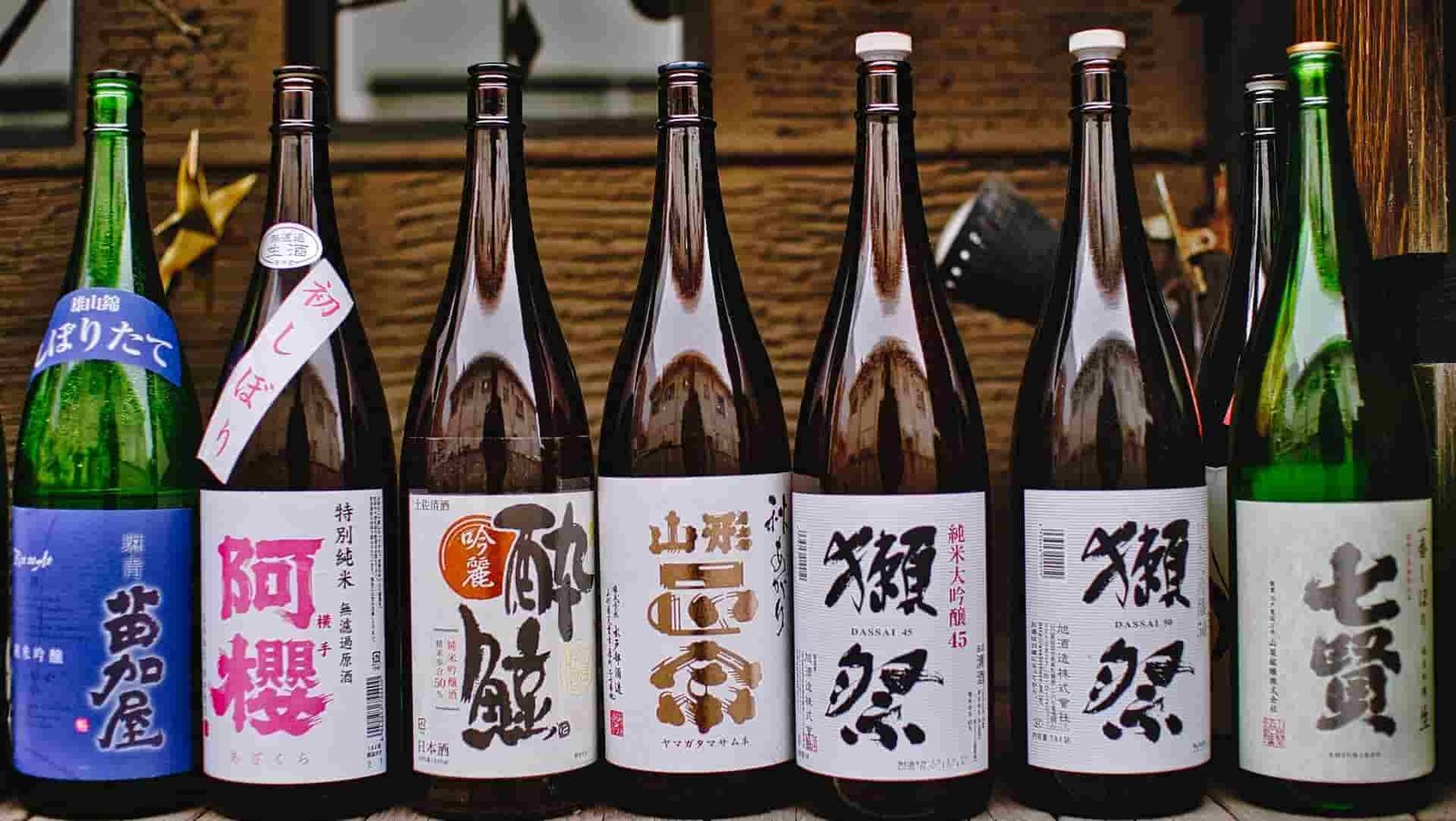

Pick up a bottle of sake for the first time and the label can feel difficult to decode. Terms such as junmai, honjozo, ginjo and daiginjo can leave beginners unsure about what they are buying.
However, understanding sake labelling terms becomes much easier once you know what these words communicate. They are not simply names for different brands or flavours. Instead, they can tell you important things about ingredients and production.
Why Are Japanese Sake Labels Different?
Sake has developed over centuries as part of Japanese drinking and dining culture. Naturally, much of its traditional vocabulary remains Japanese.
Even bottles sold internationally may carry Japanese characters, known as kanji, alongside Romanised words. Therefore, learning a few recurring terms can dramatically change how approachable a sake shelf or menu feels.
For beginners, four particularly useful terms are junmai, honjozo, ginjo and daiginjo. Let us understand what each of these means.
What Does Junmai Mean?
Junmai (純米) literally means “pure rice”. The two kanji provide a useful clue: jun communicates purity, while mai means rice.
On a sake label, junmai has an important production meaning. It tells you that no high-strength distilled alcohol has been added to the sake.
Therefore, seeing junmai helps you understand something concrete about how the producer made the sake.
Junmai can also appear alongside other terms. For example, you may encounter junmai ginjo or junmai daiginjo. In both cases, junmai still tells you that the producer has not added distilled alcohol.
Stylistically, junmai sake can often show fuller textures and cereal or savoury characteristics. However, the term itself refers to production rather than guaranteeing one particular flavour.
What Does Honjozo Mean?
Honjozo (本醸造) belongs to the premium sake category.
Unlike junmai, honjozo permits the producer to add a controlled amount of high-strength distilled alcohol during production. Importantly, this does not make it an inferior or artificially flavoured product. The addition forms part of the production method and can influence the sake’s texture and aromatic expression.
Honjozo also has a rice-polishing requirement. The rice must have a polishing ratio of 70% or less. In other words, no more than 70% of the original grain remains after polishing.
These sakes can show cereal and lactic flavours and may have a lighter body than some junmai styles, although individual expressions vary.
What Does Ginjo Mean?
Ginjo (吟醸) takes us into a style of premium sake associated with greater rice polishing and carefully managed production.
For ginjo, the rice must have a polishing ratio of 60% or less. Therefore, producers remove at least 40% of the original grain.
Rice polishing can influence the eventual character of sake. Ginjo styles commonly show distinctive fruity and floral aromas. You might encounter notes that recall apple, pear, melon or flowers.
You may also see junmai ginjo on a label. The terminology becomes easy to understand once you break it down: junmai indicates no added distilled alcohol, while ginjo indicates the relevant production style and polishing requirement.
What Does Daiginjo Mean?
Daiginjo (大吟醸) takes the ginjo concept further. The prefix dai means “big” or “great”, providing a linguistic connection between ginjo and daiginjo.
For daiginjo, the rice polishing ratio must reach 50% or less. Consequently, at least half of the original rice grain has been polished away.
Daiginjo styles commonly emphasise refined fruity and floral aromas. Meanwhile, junmai daiginjo combines this polishing classification with the junmai requirement of no added distilled alcohol.
However, greater polishing should not simply become shorthand for “better”. Different sake categories can offer different styles and drinking experiences. Understanding the terminology helps you recognise those differences rather than judging sake by one number alone.
Why Sake Labelling Knowledge Matters
Imagine working in a restaurant when a guest asks about the difference between junmai and daiginjo. Simply recognising these terms immediately gives you a better starting point for that conversation.
For hospitality professionals, this knowledge can support more confident recommendations and service. For enthusiasts, meanwhile, it makes exploring sake much less intimidating.
More importantly, learning the language connects you with the production traditions behind the drink. Instead of seeing unfamiliar Japanese characters, you begin to recognise clues about what is inside the bottle.
Learn Sake with WSET Level 1 at Sonal Holland Academy
The WSET Level 1 Award in Sake at Sonal Holland Academy provides a structured introduction for anyone beginning their sake journey.
Students learn the basic principles of sake production, major types and styles, factors affecting flavour, service principles and the WSET approach to tasting sake. Crucially, the course also teaches important Japanese sake labelling terms, helping you understand bottles with greater confidence.
Sonal Holland Academy is the only WSET Approved Programme Provider in India to offer all three levels of WSET sake qualifications, creating a definitive and systematic learning pathway from foundational knowledge to advanced sake expertise.
Click here to know more about our upcoming batch for the WSET Level 1 Award in Sake.