
Rice, water and yeast may sound like enough to make sake. However, one crucial ingredient connects them all: koji.
If you are learning about sake production, understanding what koji is helps unlock the entire process. Sake is madefrom rice, which contains starch. But yeast cannot ferment this starch directly. It needs to be broken down into simpler sugar for yeast to act. This is where koji comes in.
For students considering the WSET Level 2 Award in Sake, koji is an important concept because it helps explain not only how sake is made, but also how production choices can influence its style.
What Is Koji?
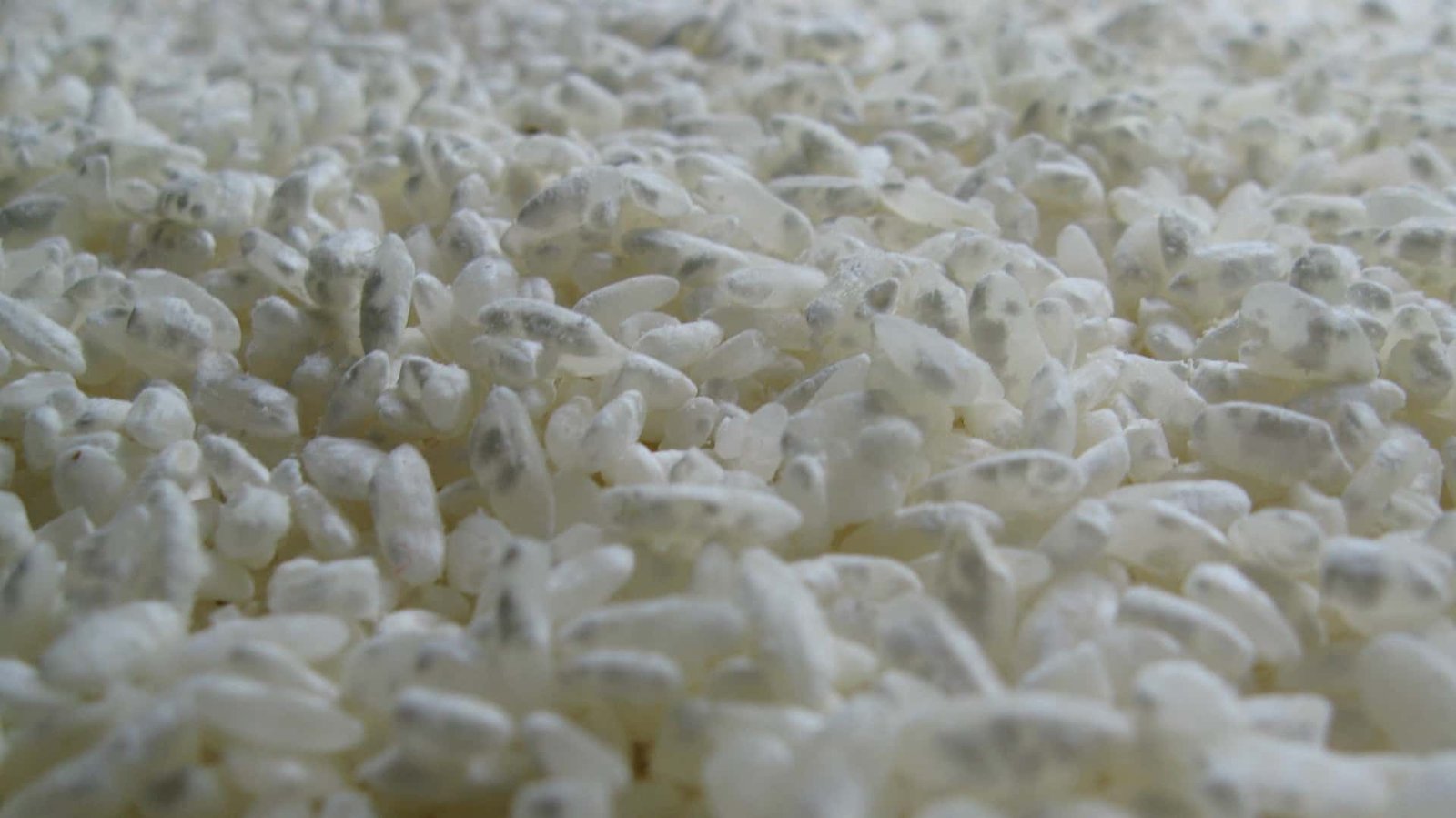
Koji is rice on which a special mould called Aspergillus oryzae has been cultivated.
Aspergillus oryzae is a filamentous fungus traditionally used in Japanese food and beverage production. In sake brewing, producers grow it on a portion of steamed rice to create what we call koji rice.
Its most important job is to produce enzymes. These enzymes break down the complex starch stored inside rice grains into simpler, fermentable sugars.
Therefore, koji acts as a bridge between rice and alcohol.
Without this conversion, yeast would not have enough accessible sugar to carry out alcoholic fermentation effectively.
Why Does Sake Need Koji?
To understand why koji matters, it helps to compare sake with wine.
Grapes naturally contain fermentable sugars. Consequently, during winemaking, yeast can consume those sugars and convert them into alcohol.
Rice is different. Its carbohydrates exist mainly as starch. Since yeast cannot directly ferment this starch, sake brewers first need to convert it into sugar.
The enzymes created by koji break the starch molecules into sugars that yeast can consume. As a result, alcoholic fermentation becomes possible.
However, koji does more than enable fermentation. It can also contribute to the aroma, texture and umami character of sake. Therefore, managing koji carefully forms an important part of sake brewing.
How Is Koji Made?
Koji production requires close attention to temperature, humidity and time.
First, the sake brewer prepares rice through washing, soaking and steaming. A portion of this steamed rice then becomes the base for growing koji.
Next, the brewer introduces the koji mould spores to the steamed rice. The rice then rests in a warm, humid environment for around 48 hours.
During this period, the mould grows across and into the rice grains. At the same time, it produces the enzymes needed to break starch down into fermentable sugars.
Brewers monitor this stage carefully because healthy koji development plays a major role in the next stages of sake production.
The finished koji rice can then become part of the fermentation process.
From Koji to the Yeast Starter
Once the koji rice is ready, the brewer can begin preparing the yeast starter.
The brewer combines koji rice with steamed rice, water and yeast. This mixture then develops for approximately two weeks, creating a strong population of active yeast cells.
The yeast starter prepares the foundation for the main fermentation.
At this point, the relationship between koji and yeast becomes especially important. Koji continues making fermentable sugar available, while yeast uses that sugar to create alcohol.
In other words, one process supplies the fuel while the other converts that fuel into alcohol.
Koji and Yeast Work Together
One of the most fascinating aspects of sake brewing is that starch conversion and alcoholic fermentation can happen alongside each other.
Koji converts starch into sugar, while yeast converts sugar into alcohol.
Rather than completing one process entirely before beginning the next, sake production allows these activities to work simultaneously.
Why Learn About Koji?
You do not need to become a sake brewer to benefit from understanding koji.
If you work in hospitality, retail or the beverage industry, production knowledge gives context to what you taste and serve. Instead of simply memorising sake categories, you begin to understand why sake develops particular characteristics.
Moreover, this knowledge can help you communicate more confidently with guests and customers. It also provides a stronger foundation for exploring different production methods and sake styles.
That is where structured sake education becomes valuable.
Take Your Sake Knowledge Further with WSET Level 2
If you already understand the fundamentals and want to explore sake in greater depth, the WSET Level 2 Award in Sake at Sonal Holland Academy offers a structured next step.
The course develops your understanding of sake ingredients, production methods, styles and factors that influence the finished product. Therefore, it is particularly relevant for hospitality and beverage professionals, as well as enthusiasts who want to move beyond introductory knowledge.
Click here to know more about our upcoming WSET Level 2 Award in Sake batch.