
Good wine service is often about getting the small things right. The temperature of the wine, how the bottle is presented, the pour and, of course, the glass all shape the guest’s experience.
For anyone working in hospitality or beverages, understanding wine glassware is therefore an essential service skill. But that does not mean memorising dozens of different glass shapes.
Restaurants today may use everything from highly specialised glasses to a single high-quality universal glass for most still wines. What matters for a wine professional is understanding the basics: why glass shape matters, which styles benefit from which glasses and how to handle glassware correctly.
Get these fundamentals right, and you are already well equipped for professional wine service.
Why Does the Wine Glass Matter?
A wine glass is more than a vessel for holding wine. Its size and shape can influence how we experience the wine’s aromas, flavours and texture.
A larger bowl, for example, gives a wine more contact with air and provides more space for aromas to develop. A narrower opening can help concentrate aromas towards the nose.
On the other hand, a long stem prevents the heat from your hand to be transferred to the wine, thus keeping it cooler for a longer duration.
The right glass can therefore help a wine show its character more clearly. Here are five basic styles worth knowing.
- Sparkling Wine: Flute or Tulip
Sparkling wines are all about their bubbles, freshness and delicate aromas.
A flute or tulip-shaped glass works well because its relatively narrow shape helps preserve the bubbles for longer. A tulip glass also gives the wine a little more room to open up, making it easier to appreciate its aromas.
You do not need an extremely narrow flute for every sparkling wine. The important thing is to avoid a very wide glass if maintaining the bubbles is the priority.
Note: For vintage Champagne, a medium-bowl glass, typically used for full-bodied whites and light reds, works better. The wider bowl gives an aged, complex Champagne more room to open up and express its aromas.
- Light White Wines: Small Bowl, Narrow Rim
Think of fresh, lighter white wines where crisp acidity and delicate aromas are key.
A smaller bowl with a relatively narrow rim works well because it limits aeration, helps the wine stay cool, and concentrates subtle aromas towards the nose.
This makes it a good choice for crisp, aromatic and refreshing white wine styles.
- Full-Bodied Whites and Light Reds: Medium Bowl
This is where a versatile medium-sized wine glass becomes particularly useful.
Fuller white wines can benefit from some aeration, while lighter reds often do not need the very large bowl associated with powerful red wines.
A medium bowl gives the wine enough room to breathe without overwhelming its more delicate character.
In fact, for many restaurants and everyday service situations, a good-quality universal glass with a medium tulip-shaped bowl can handle a wide range of still wines very well.
- Full-Bodied Reds: Large Bowl
Full-bodied red wines often benefit from more exposure to air.
A larger bowl gives the wine greater surface area and provides more room for its aromas to develop. This can make complex aromas easier to appreciate and help the structure of the wine feel more integrated.
This style of glass is particularly useful for powerful, structured reds.
Again, there is no need to have a different glass for every grape variety. Understanding the broad wine style is more useful than memorising endless glass shapes.
- Dessert and Fortified Wines: Smaller Glass
Dessert and fortified wines are generally served in smaller quantities, so the glass should reflect that.
A smaller glass with a narrower opening helps concentrate the wine’s rich aromas while making its higher alcohol or sweetness feel less overpowering.
The smaller size also makes it easier to serve an appropriate portion.
Bonus: 5 Simple Rules for Maintaining Wine Glasses
Choosing the right glass is only half the job. A beautifully shaped glass covered in fingerprints or carrying the smell of detergent can quickly undermine good service.
Keep these five rules in mind:
- Polish glasses before service using a clean, lint-free cloth.
- Keep glasses odour-free. Avoid strongly scented detergents that may interfere with the wine’s aroma.
- Hold glasses by the stem or base, rather than touching the rim or bowl unnecessarily.
- Check every glass before pouring for watermarks, lipstick, chips, cracks or lingering smells.
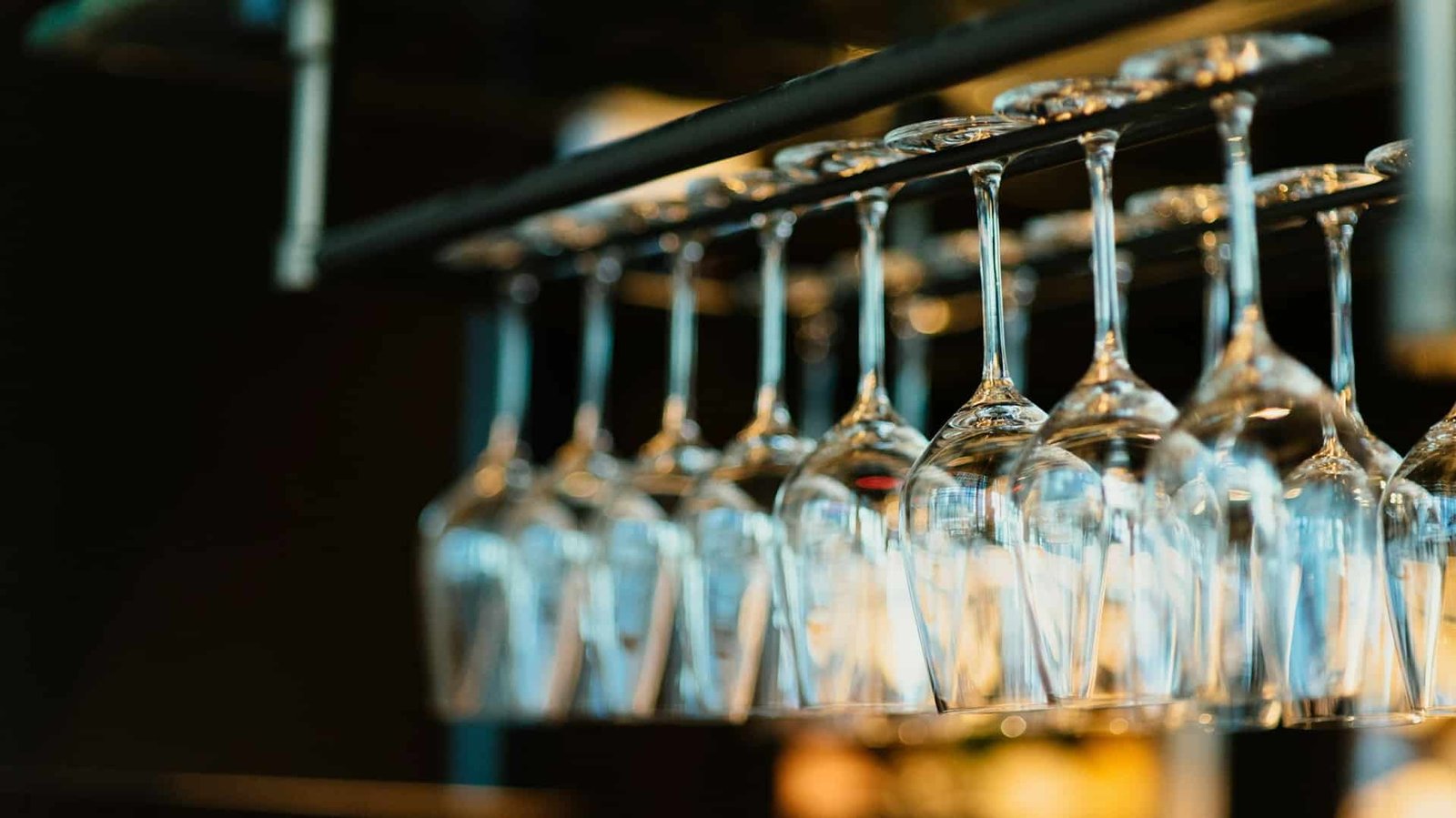
- Store and handle glasses carefully. Avoid overcrowding or stacking delicate wine glasses, as this increases the chance of breakage.
Good wine service does not require knowing every glass ever created. Learn what the basic shapes do, match them to broad wine styles and keep your glassware spotless. That will take you a long way.
Want to build deeper knowledge of wine, tasting and professional wine service? Enrol for the WSET Level 2 Award in Wines at Sonal Holland Academy and take the next step in your wine education. Click here to know more about our upcoming online and classroom batches for this course.