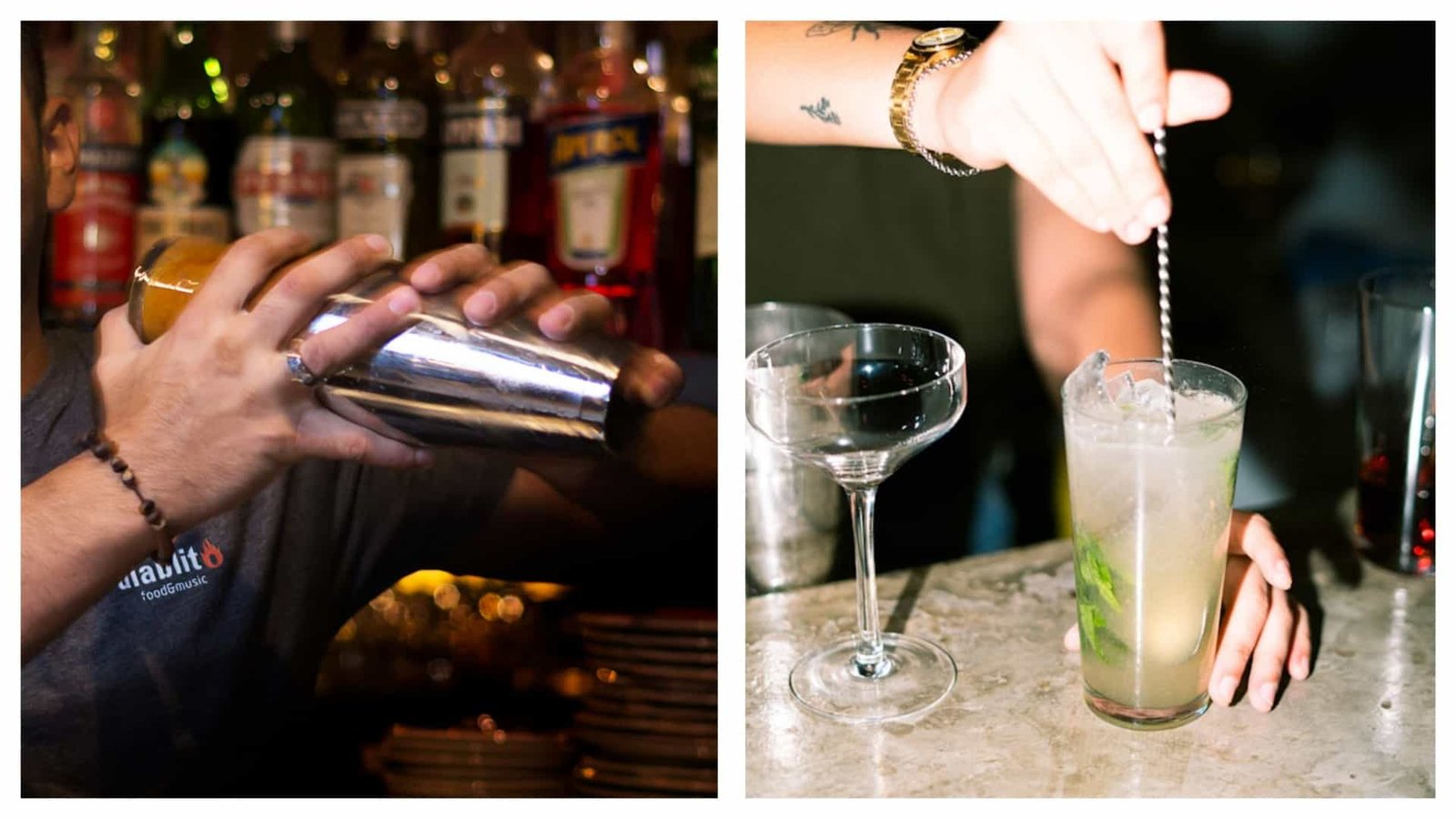

Walk into any professional bar and you’ll notice bartenders use two distinct techniques when preparing cocktails. Some drinks get vigorously shaken in a cocktail shaker, while others are gently stirred with a bar spoon. This isn’t random—each cocktail making technique serves a specific purpose and dramatically affects the final drink.
For beverage professionals pursuing bar training course qualifications or spirits and cocktail training certification, understanding when to shake versus stir is fundamental. Moreover, this knowledge separates amateur bartenders from true professionals in India’s competitive hospitality industry.
Why Technique Matters in Cocktail Making
The preparation method directly impacts a cocktail’s texture, temperature, dilution, and appearance. Using the wrong technique can ruin an otherwise perfect drink. For instance, a shaken Martini becomes cloudy and overly diluted. Similarly, a stirred Margarita fails to properly integrate the citrus and tequila.
Professional bartenders choose their technique based on the cocktail’s ingredients and desired outcome. This decision-making process forms a core component of beverage professional certification programmes and hospitality training curriculum.
Understanding these techniques also demonstrates professionalism to guests. When you confidently shake a Whisky Sour or stir a Manhattan, customers recognise your expertise. This credibility becomes especially important for professionals completing certified beverage professional course programmes or pursuing beverage leadership training for hotels.
Shaking: Vigorous Integration
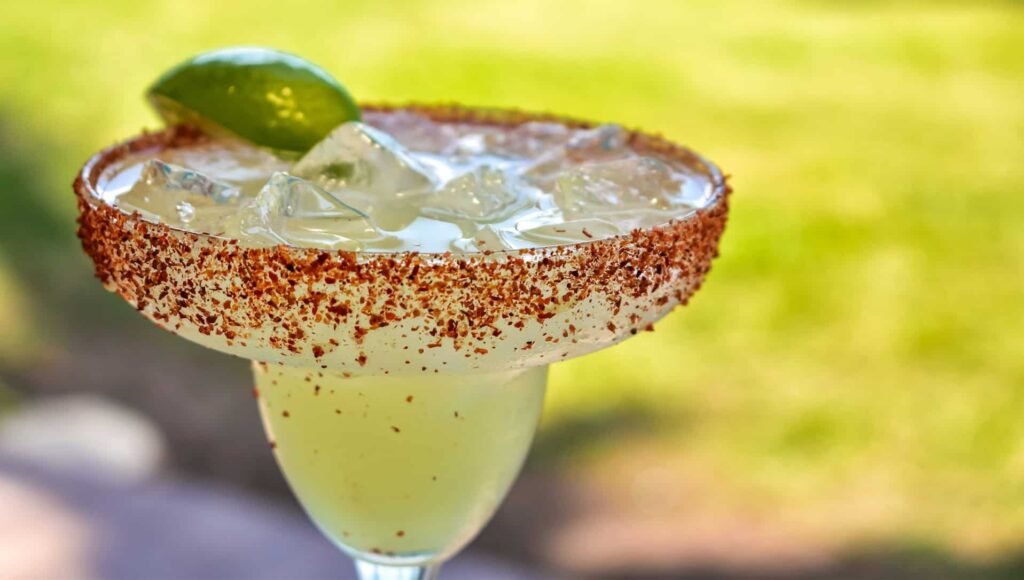
Shaking involves vigorously mixing ingredients with ice in a cocktail shaker. This energetic technique serves multiple purposes simultaneously, creating specific textural and flavour outcomes. Classic cocktails made using this technique are: Margarita, Whisky Sour, Daiquiri
How Shaking Works
The bartender fills a shaker with ice and ingredients, then seals it and shakes vigorously for 10-15 seconds. The ice rapidly chills the liquid while the aggressive motion aerates the mixture. This creates tiny air bubbles throughout the drink.
The violent movement also breaks down ice slightly, adding dilution. This dilution isn’t a flaw—it’s essential for balancing strong flavours and adjusting alcohol strength. Professional bartenders control dilution through shaking duration and ice quality.
When to Shake
Shaking is essential for cocktails that include juices, dairy, syrups, or egg whites. These ingredients need vigorous mixing to ensure uniform texture. Without proper shaking, ingredients separate or create inconsistent flavours throughout the drink.
Suitable Ingredients for Shaking:
Fresh citrus juices (lemon, lime, grapefruit)
Syrups (simple syrup, grenadine, orgeat)
Dairy products (cream, milk)
Egg whites (for texture and foam)
Resulting Texture
Shaken cocktails taste frothy, aerated, and slightly opaque. The texture feels lighter and more refreshing. The tiny air bubbles create a pleasant mouthfeel that enhances drinkability.
The appearance becomes cloudy rather than crystal clear. Small ice chips may appear in the drink, contributing to its textured character. This cloudiness is desirable and expected in shaken cocktails.
Stirring: Gentle Precision
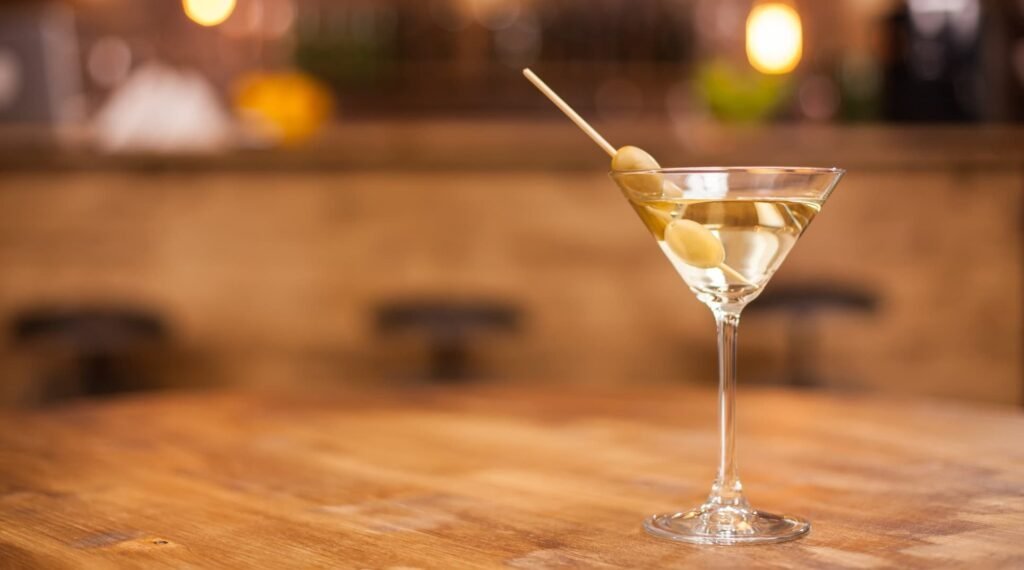
Stirring gently blends ingredients over ice using a bar spoon. This technique allows spirits and liqueurs to combine while maintaining clarity and a silky texture. The movement is controlled, smooth, and deliberate. Classic cocktails made using this technique are: Martini, Manhattan, and Negroni.
How Stirring Works
The bartender adds ingredients to a mixing glass with ice, then uses a long bar spoon to stir smoothly for 30-45 seconds. The spoon moves in a circular motion, gently rotating the ice and liquid together.
This gentle action chills the drink through extended ice contact. Simultaneously, controlled dilution occurs as ice gradually melts. The result is a perfectly chilled, precisely diluted cocktail with crystal clarity.
When to Stir
Stirring is preferred for spirit-forward cocktails where balance and subtle dilution are crucial. These drinks contain only spirits, liqueurs, and vermouth—ingredients that naturally integrate without vigorous action.
Suitable Ingredients for Stirring:
Base spirits (gin, vodka, whisky, rum)
Liqueurs (amaretto, Campari, Chartreuse)
Vermouth (dry, sweet, blanc)
Bitters (Angostura, orange, aromatic)
Resulting Texture
Stirred cocktails appear smooth, clear, and silky. The texture feels velvety on the palate. No cloudiness or froth appears—just pure, transparent liquid.
The clarity showcases the spirits’ natural colours. A properly stirred Manhattan displays beautiful amber tones. A Martini remains crystal clear, allowing you to appreciate the gin or vodka’s quality.
Click here to know more about Certified Beverage Professional- a modular course with individual certifications for wine, spirit, beer and cocktail. This includes the Certified Cocktail Professional course, which provides systematic training in mixology fundamentals and advanced techniques.