
If you’ve ever ordered a cocktail and noticed the glass it came in, you may have wondered why it looked so specific. Many beginners ask this question early on: do cocktail glasses really matter? The answer is yes.
Different types of cocktail glasses are designed to enhance the drinking experience. They influence temperature, aroma, presentation and even how a drink tastes. For anyone starting a cocktail course or structured beverage course in India, understanding glassware is one of the first practical skills to learn.
In professional settings, glassware is not just about aesthetics. It reflects knowledge, precision and service standards. This is why it plays a key role in hospitality training and beverage professional certification.
Why Cocktail Glassware Matters
Each cocktail has a specific structure. Some drinks are shaken, some stirred, and some built directly in the glass. The choice of glass depends on:
- Whether the drink contains ice
- The volume of the drink
- The importance of aroma
- Temperature control
- Presentation style
Using the correct glass ensures the drink stays balanced and enjoyable from the first sip to the last.
For students pursuing an alcohol beverage course or spirits and cocktail training certification, glassware forms the foundation of proper service.
Types of Cocktail Glasses
Let’s explore the most common types of cocktail glasses and how they are used.
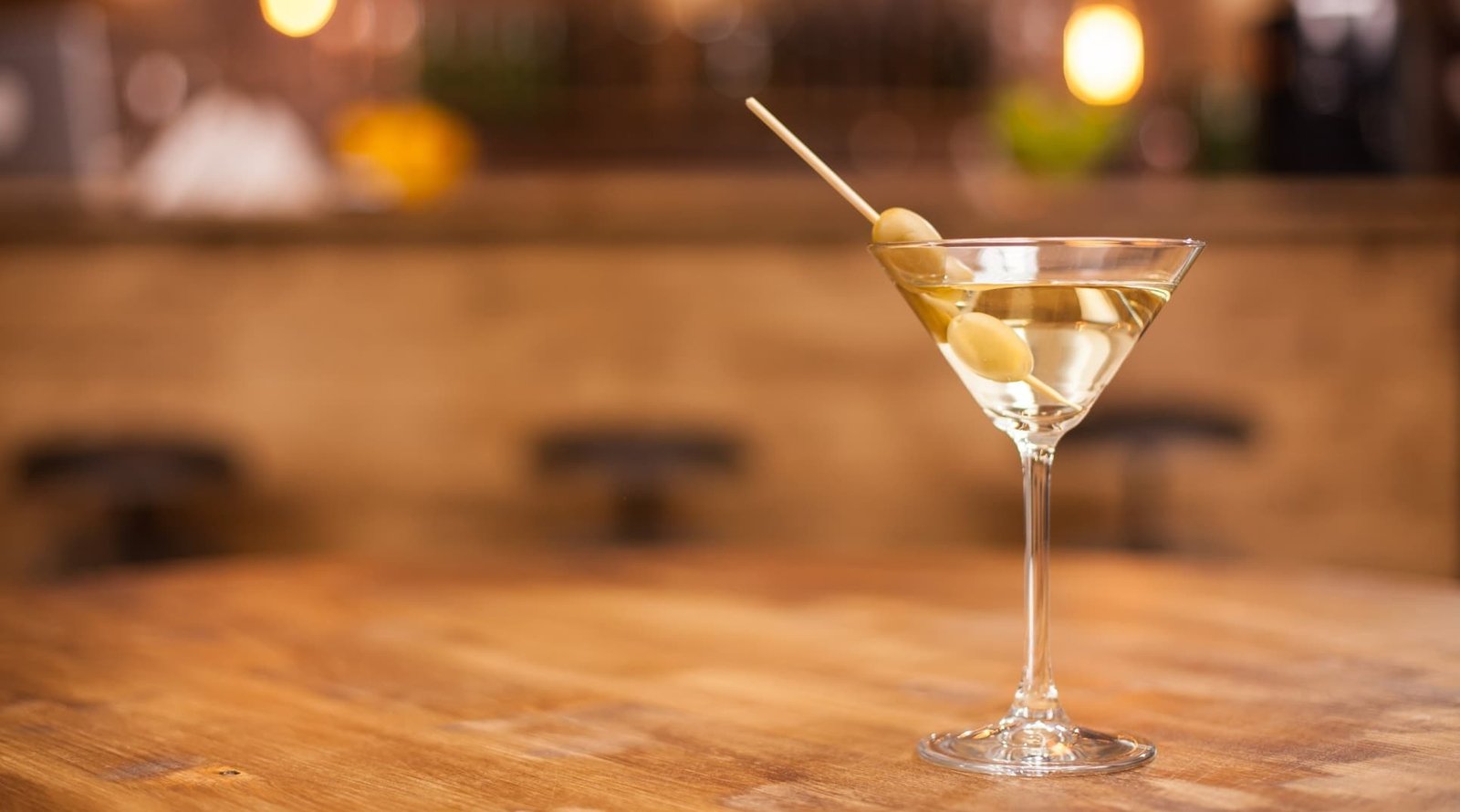
Martini or Cocktail Glass
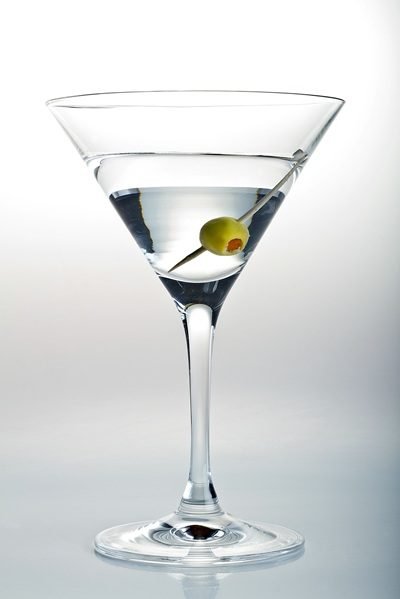
The martini glass is one of the most recognisable cocktail glasses.
It has a wide, shallow bowl and a long stem. Bartenders use it for drinks that are shaken or stirred and served without ice.
Why it works:
- The wide bowl enhances aroma
- The stem prevents heat from your hand warming the drink
Common drinks served: Martini, Cosmopolitan
Highball Glass
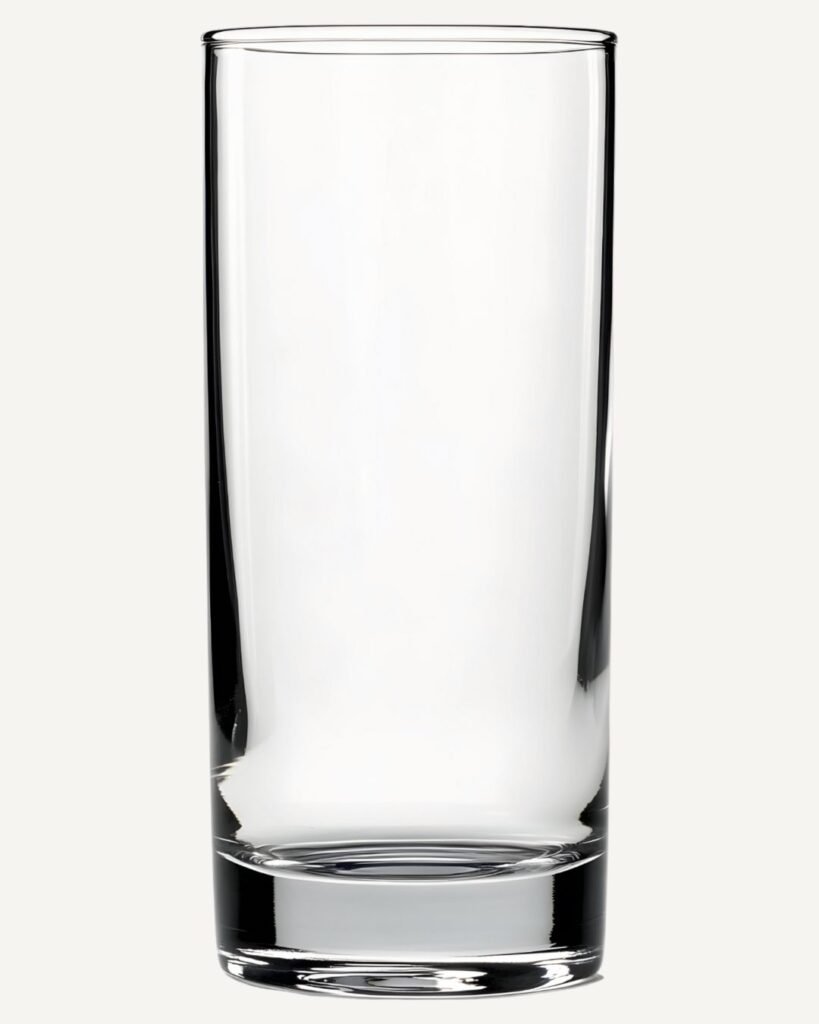
The highball glass is tall and narrow. It is used for drinks that contain a large proportion of mixer, such as soda or juice.
Why it works:
- Maintains carbonation
- Allows space for ice and mixer
Common drinks served: Whisky Highball, Gin and Tonic
This glass is essential to understand in any bar training course.
Collins Glass
The Collins glass looks similar to the highball but is slightly taller and slimmer.
It is specifically used for drinks that are topped with soda.
Why it works:
- Supports layered structure of the drink
- Keeps the drink refreshing and light
Common drinks served: Tom Collins
Rocks or Old Fashioned Glass
This short, sturdy glass is used for drinks served neat or over ice.
Why it works:
- Wide opening allows easy sipping
- Thick base supports muddling ingredients
Common drinks served: Old Fashioned, Negroni
For anyone pursuing a beverage certification, this is one of the most frequently used glasses.
Rocks or Old Fashioned Glass
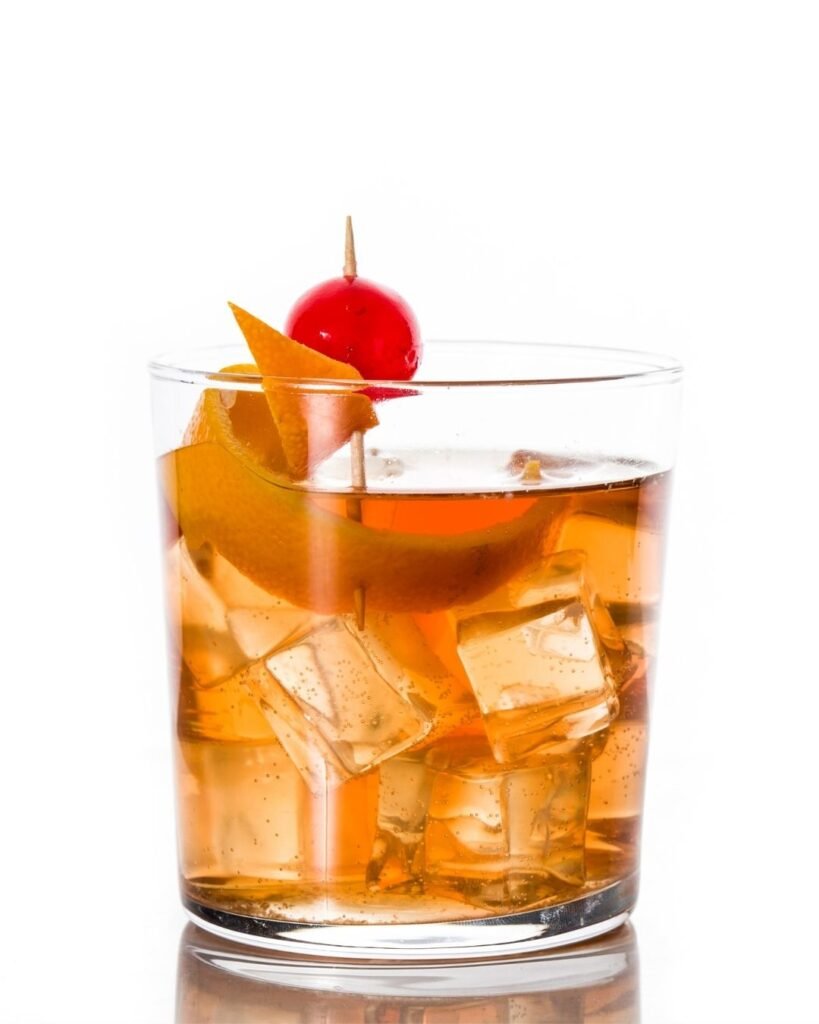
This short, sturdy glass is used for drinks served neat or over ice.
Why it works:
- Wide opening allows easy sipping
- Thick base supports muddling ingredients
Common drinks served: Old Fashioned, Negroni
For anyone pursuing a beverage certification, this is one of the most frequently used glasses.
Coupe Glass
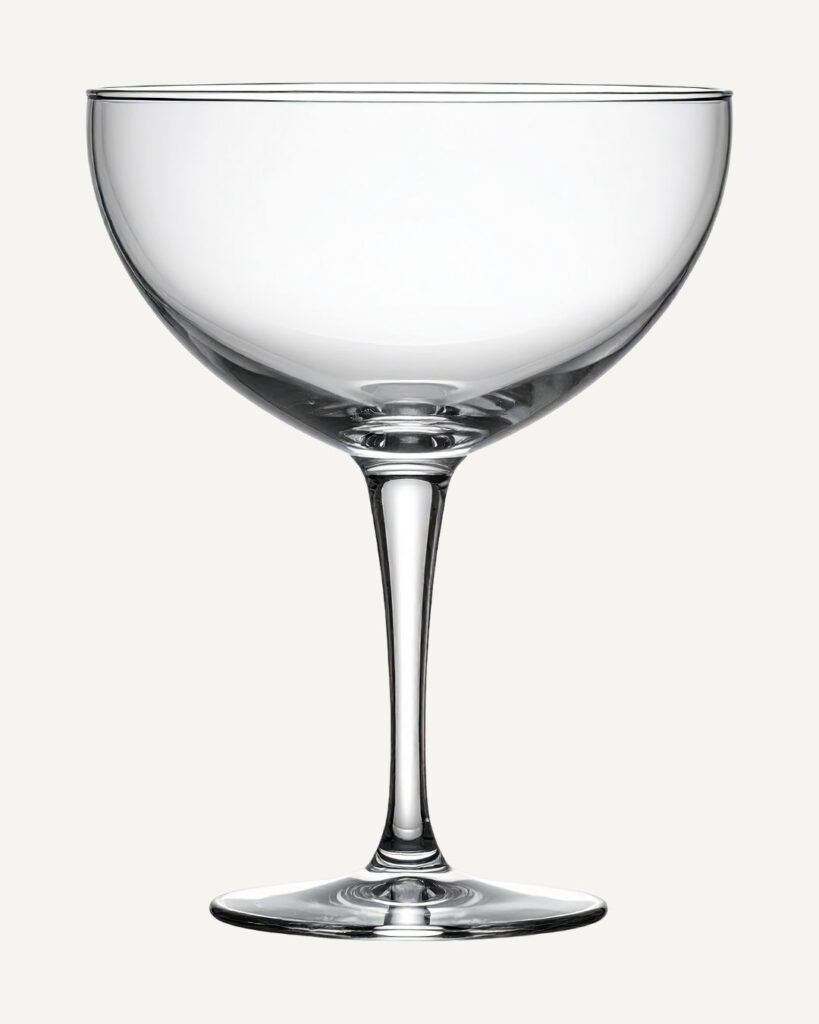
The coupe glass features a broad, shallow bowl with a stem.
It is often used as an alternative to the martini glass.
Why it works:
- Prevents spillage compared to a martini glass
- Enhances presentation
Common drinks served: Daiquiri, Sidecar
Shot Glass
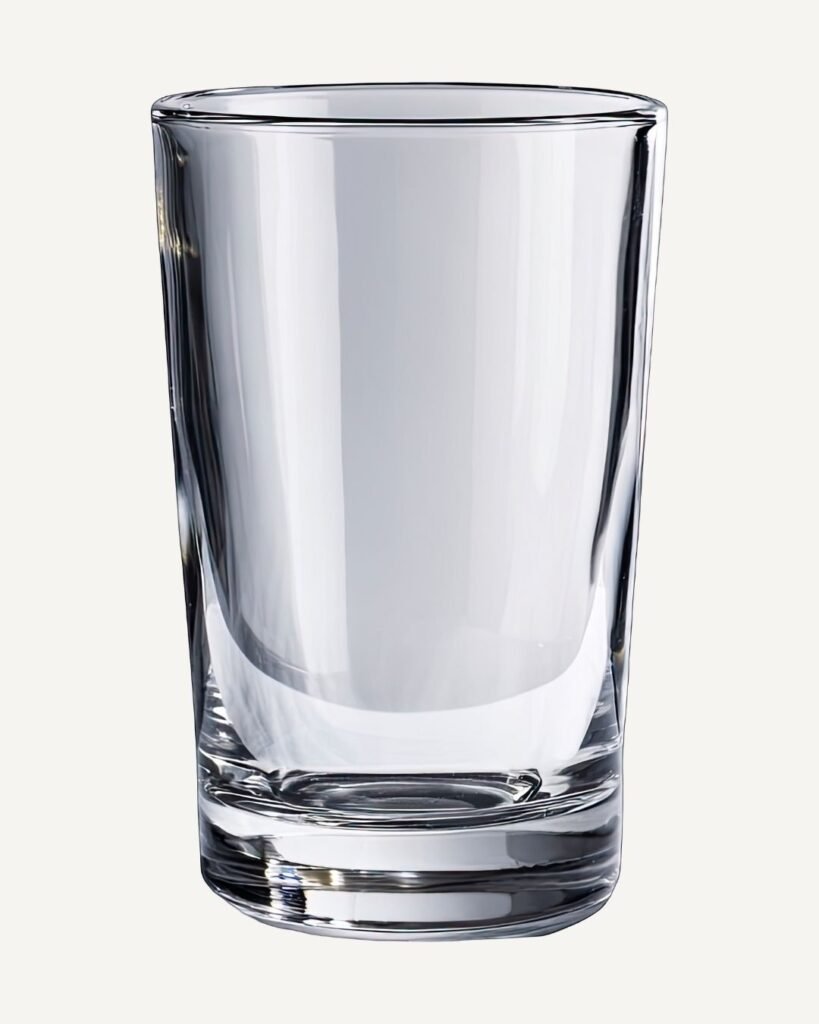
The shot glass is small and simple. It is used for serving strong spirits in small quantities.
Why it works:
- Provides accurate measurement
- Ideal for quick consumption
Common use: Straight spirits or liqueurs Understanding measurements is key in any spirits course or cocktail training
Flute Glass
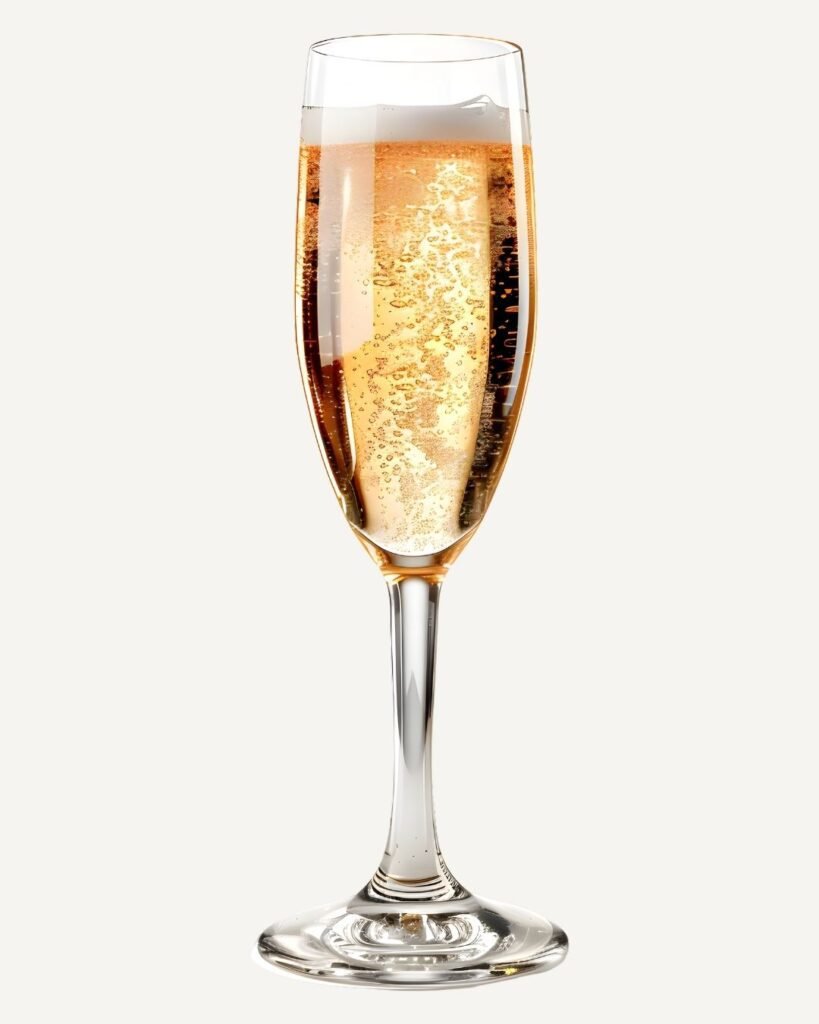
The flute is tall and narrow. It is mainly used for sparkling wine and champagne cocktails.
Why it works:
- Preserves bubbles
- Concentrates aroma
Common drinks served: Mimosa, Bellini
Wine Glass
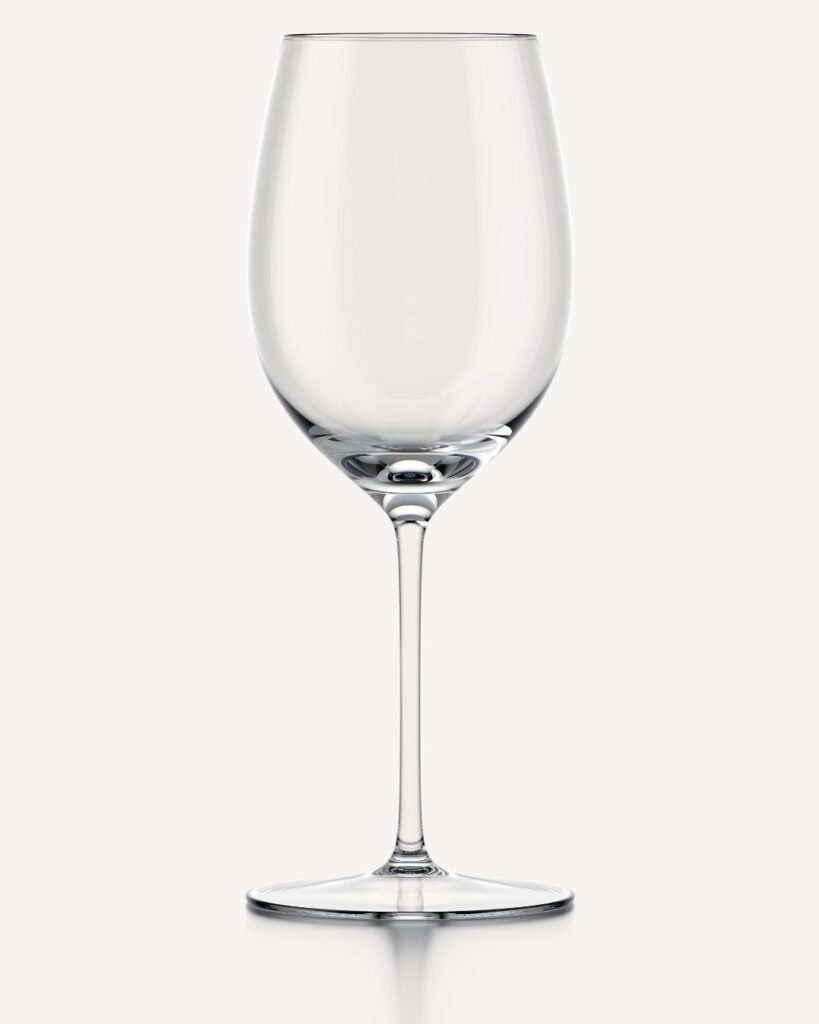
Wine glasses are used for wine-based cocktails as well as standard wine service.
Why it works:
- Enhances aroma and flavour
- Provides enough space for swirling
Common drinks served: Sangria, Spritz
Beer Mug or Pint Glass
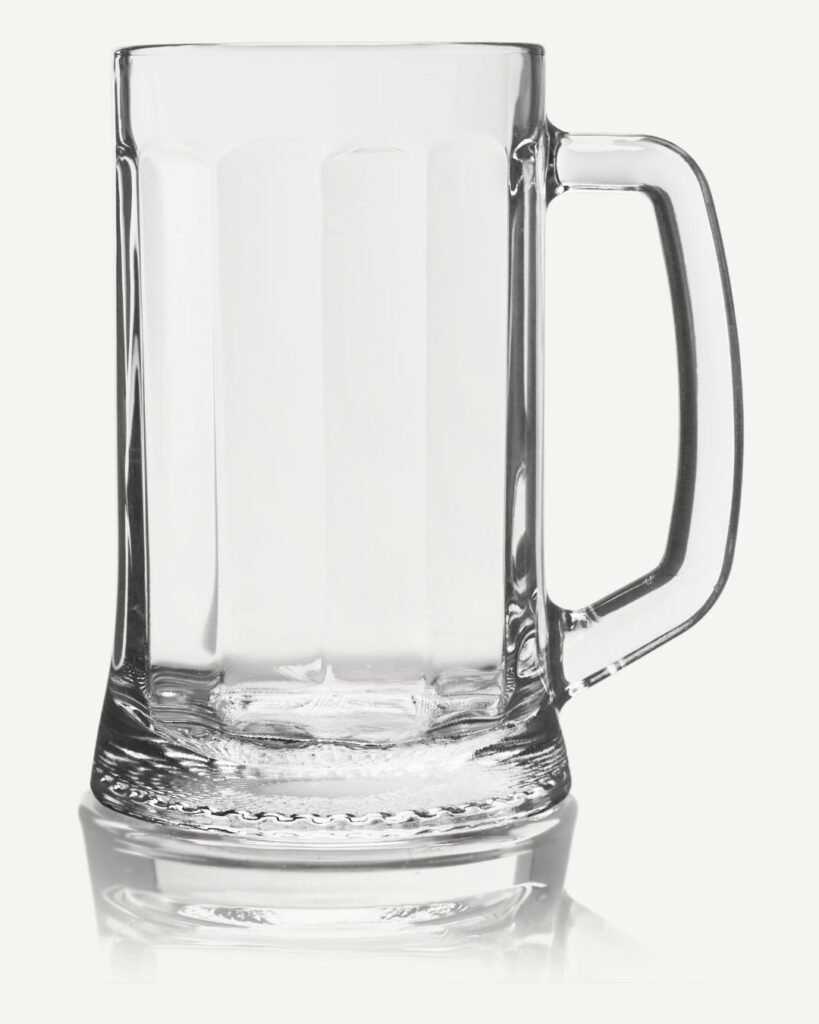
These glasses are designed for beer and beer-based cocktails.
Why it works:
- Holds larger volumes
- Maintains temperature
Common drinks served: Beer cocktails, draft beer
Why Learning Cocktail Glasses Matters
In modern hospitality, presentation is as important as flavour. Guests notice details. The right glass adds to the experience and shows professionalism.
For those enrolling in a cocktail course or beverage course in India, mastering glassware builds:
- Confidence in service
- Strong foundational skills
- Better guest interaction
- Professional credibility
It is one of the simplest yet most impactful aspects of beverage service.
If you want to understand cocktails, spirits and service techniques in a structured way, consider enrolling in the Certified Cocktail Professional course at Sonal Holland Academy.
This programme builds strong practical skills and industry-ready knowledge for aspiring bartenders and hospitality professionals. Take the first step towards mastering cocktails with confidence. Click here to know more about the Certified Beverage Professional course.