
Blended Scotch whisky is one of the most widely consumed whisky styles in the world, and India is one of its largest markets. From retail shelves to bars and everyday drinking at home, blended Scotch is deeply embedded in Indian drinking culture.
For professionals working in hospitality, retail or beverage service, understanding how blended Scotch is made is extremely valuable. It helps explain flavour differences, pricing, consistency and style. This knowledge also improves recommendations at retail stores and restaurants.
What Is Blended Scotch Whisky?
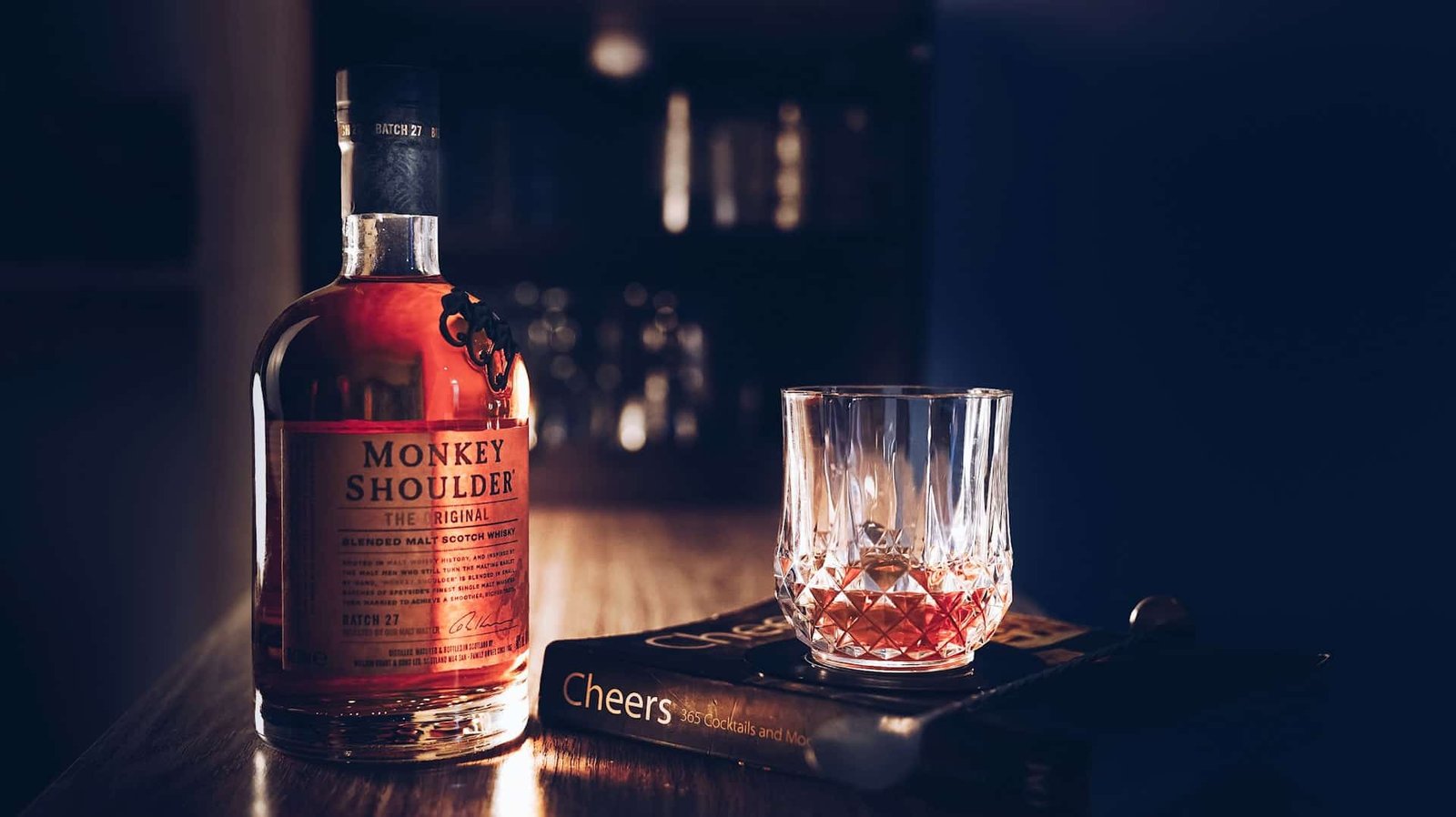
Blended Scotch whisky is a combination of at least one single malt Scotch whisky and at least one single grain Scotch whisky. Producers blend whiskies from multiple distilleries to create a balanced and consistent final product.
By law, Scotch whisky must:
- Be distilled and matured in Scotland
- Age for at least three years in oak casks
- Be bottled at a minimum of 40% ABV
- Be made from barley and/or other grains
Blended Scotch typically combines the depth and character of malt whisky with the lighter, softer profile of grain whisky. The result is a whisky style that is approachable, smooth and consistent. Blended scotch is a great starting point for consumers new to the world of premium whiskies, who are looking for an approachable drink but are not ready to invest a lot of money in a bottle. Its price point also makes blended scotch a good drink for everyday enjoyment.
How Is Blended Scotch Different from Single Malt?
Many beginners confuse blended Scotch with single malt Scotch. However, the two styles differ significantly in production and flavour profile.
Single Malt Scotch
- Uses only malted barley
- Is distilled in copper pot stills
- Comes from one distillery only
- Often displays more intense and distinctive flavours
Single malts can range from fruity and elegant to smoky and powerful depending on the region and production style.
Blended Scotch
- Combines single malt and single grain whiskies
- Uses whiskies from multiple distilleries
- Prioritises consistency and balance
- Typically offers a smoother and lighter style
Because blended Scotch combines different whisky styles, producers can create a profile that appeals to a broader audience.
For professionals pursuing hospitality training or beverage professional certification, understanding this distinction is essential while recommending whiskies to guests.
How Is Blended Scotch Made?
The production of blended Scotch involves the creation of two separate whisky styles: single malt whisky and single grain whisky.
Step 1: Producing Single Malt Whisky
Single malt Scotch whisky is made using 100% malted barley.
Malting and Fermentation
Barley is malted to convert starch into fermentable sugar. The malted grain is then mashed with hot water to extract sugars, creating a sugary liquid called wort.
Yeast is added to the wort during fermentation, converting sugar into alcohol.
Distillation
The fermented liquid is distilled twice in copper pot stills. Pot still distillation retains flavour compounds and creates a rich, characterful spirit.
Maturation
The spirit matures in oak casks for at least three years. Most distilleries use ex-bourbon or ex-sherry barrels, which contribute flavours such as vanilla, dried fruit and spice.
Step 2: Producing Single Grain Whisky
Single grain whisky usually combines malted barley with corn or wheat.
Distillers produce it in continuous column stills, which create a lighter and higher-strength spirit. Grain whisky is known to have lower flavour intensity than single malt whisky.
Grain whisky is not bottled independently and is largely used in blended Scotch whisky.
Step 3: Blending the Whiskies
This is the defining stage of blended Scotch production.
Master blenders combine selected single malt and single grain whiskies from different distilleries. Their goal is to create a whisky with:
- Balance
- Consistency
- Smoothness
- Recognisable house style
Some blends may contain dozens of individual whiskies.
Grain whisky adds softness and approachability, while malt whisky provides complexity and character. This blending process explains why blended Scotch often tastes smooth, rounded and easy to drink.
If you want to understand whisky production, global spirits styles and tasting techniques in a structured way, consider enrolling in the WSET Level 2 Award in Spirits at Sonal Holland Academy. Click here to know more about our upcoming batches.