
Vodka is one of the most widely consumed spirits in the world. It forms the base of several classic cocktails and is the life of parties. Premium quality vodka is increasingly finding takers among connoisseurs who appreciate the nuances of this subtle beverage. Because of its clean profile and versatility, vodka has become a foundation spirit in modern bartending and hospitality.
Many beginners assume all vodkas taste the same. However, production methods, raw materials and regional traditions create noticeable differences in texture and flavour. As a result, understanding vodka styles helps hospitality professionals make better recommendations and improve service standards.
What Is Vodka?
Vodka is a distilled spirit known for its clean and neutral character. Most producers bottle vodka between 37.5% and 40% ABV, although some styles may be stronger.
Unlike whisky or rum, vodka does not focus heavily on oak ageing or bold flavour. Instead, producers aim for purity, smoothness and balance. Therefore, vodka works exceptionally well in cocktails because it blends easily with other ingredients.
Vodka originated in Eastern Europe and remains closely associated with countries such as Russia and Poland. Today, distilleries around the world, including India, produce vodka using different ingredients and techniques.
Raw Materials Used in Vodka
Producers can make vodka from many fermentable ingredients. Although vodka remains relatively neutral, the base material still affects texture and mouthfeel.
Grain Vodka: Countries such as Russia and the United States commonly use wheat, rye or corn. Grain vodkas usually feel smooth, clean and lightly spicy.
Potato Vodka: Poland traditionally produces potato vodka. These styles often show a richer and creamier texture.
Grape or Fruit-Based Vodka: France and some modern craft distilleries use grapes or fruits. These vodkas may feel softer and slightly fruit-forward.
For students enrolled in a wine and spirits course, these distinctions help explain how ingredients subtly shape spirit character.
How Is Vodka Distilled?
Vodka production focuses strongly on refinement and purification.
Fermentation: Producers ferment the chosen raw material to create alcohol.
Distillation: Distillers usually use column stills to distil the spirit to a very high strength. This process removes many heavier flavour compounds and creates a cleaner profile.
Filtration: After distillation, many producers filter vodka through charcoal or other materials. As a result, the spirit becomes smoother and more polished. Although vodka is generally neutral, producers still decide how much character they want to retain.

Key Styles of Vodka
Although vodka is often associated with neutrality, producers create several distinct styles.
Neutral Vodka
Neutral vodka is the most common style worldwide.
Here, producers distil and filter the spirit extensively to create a very clean profile. Consequently, the vodka shows minimal aroma and flavour.
A neutral vodka typically tastes:
- Clean and crisp
- Light-bodied
- Minimal flavour intensity
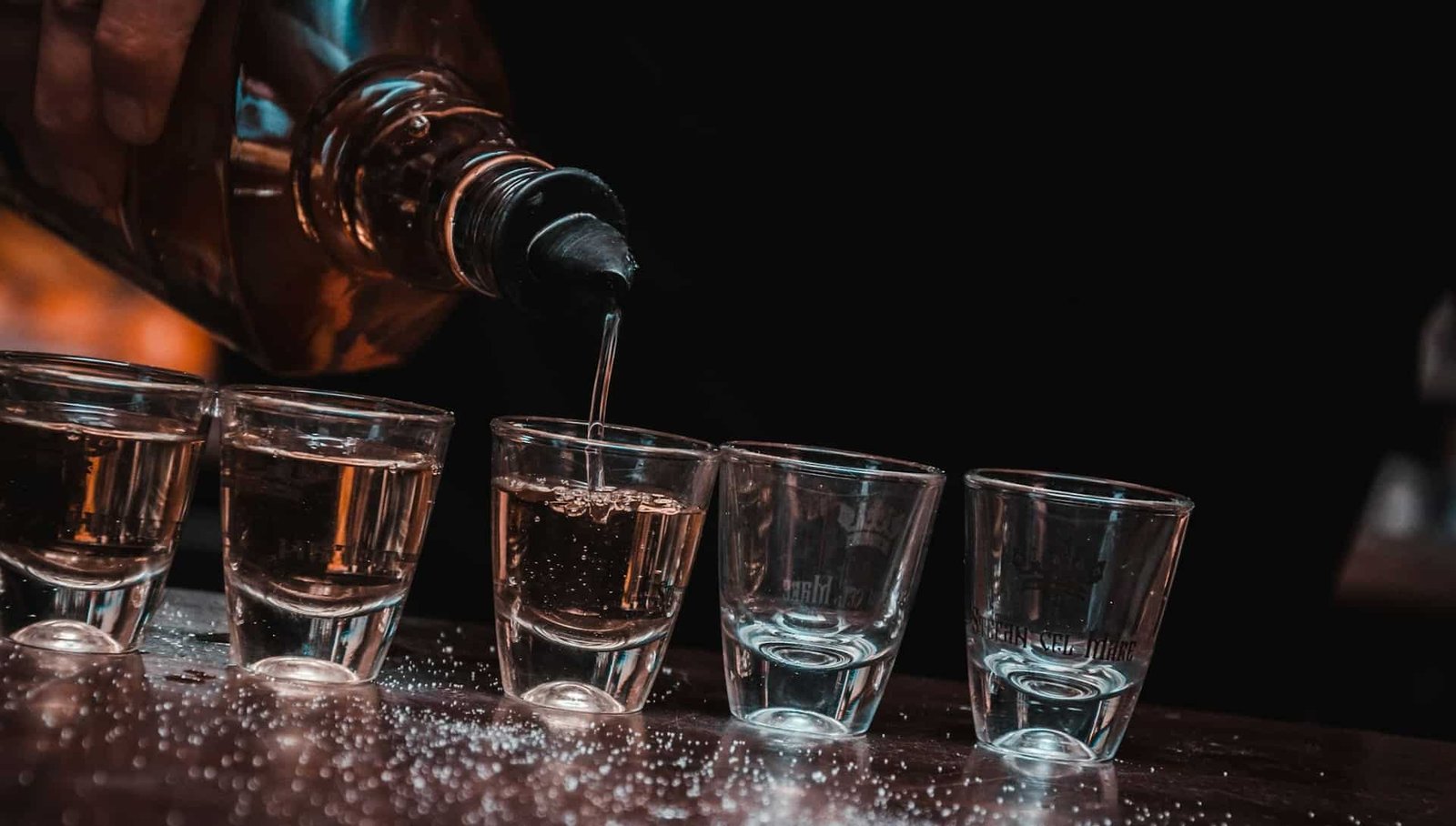
Because of this neutrality, bartenders frequently use this style in cocktails such as the Martini and Moscow Mule. Another popular way of enjoying neutral vodka is either as party shots or with simple mixers like Diet Coke or Red Bull.
Characterful Vodka
Some producers intentionally retain flavours from the raw material. As a result, these vodkas may display:
- Grain spice
- Creamy texture
- Earthy notes
- Fuller mouthfeel
Many enthusiasts enjoy these vodkas neat because they showcase more personality and texture.
Flavoured Vodka
Flavoured vodka has grown rapidly in popularity over the last decade. Producers infuse vodka with ingredients such as citrus, berries, herbs or vanilla.
Consequently, these vodkas create approachable and versatile cocktail options.
Common flavour styles include:
- Lemon and orange
- Berry flavours
- Vanilla
- Pepper and spice
Flavoured vodka is popular because it offers ease of mixing and diversity in taste. Flavours also make this style more approachable for new drinkers.
Premium and Craft Vodka
In recent years, many craft distilleries have focused on premium vodka production.
Instead of emphasising neutrality alone, these producers highlight:
- Ingredient quality
- Mouthfeel and texture
- Distillation precision
- Unique filtration techniques
As a result, premium vodka is enjoying a growing presence in luxury bars and modern cocktail culture.
If you want to understand vodka, whisky, rum, gin and other major spirit categories in a structured way, consider enrolling in the WSET Level 2 Award in Spirits at Sonal Holland Academy. Through guided tastings and expert-led sessions, students develop practical beverage knowledge and tasting confidence. Click here to know more about our upcoming batches for this course.