
When you pour a glass of Champagne or premium sparkling wine, you probably notice the fine bubbles, crisp acidity and elegant flavours. However, very few people think about the complex production process that created that bottle.
One of the most important steps in traditional sparkling wine production is riddling.
If you’ve ever studied sparkling wines or considered enrolling in a WSET Level 2 in Wine course, you’ve likely come across this term. Yet many wine enthusiasts are surprised to learn how much effort goes into this seemingly simple process.
So, what exactly is riddling, and why does it matter?
What Is Riddling?
Riddling is the process of gradually moving the sediment, known as lees, from the body of a sparkling wine bottle into its neck.
This step takes place during the production of sparkling wines made using the Traditional Method, also known as the Méthode Traditionnelle.
The purpose of riddling is simple: it allows winemakers to remove the yeast sediment while keeping the wine clear and bright.
Without riddling, bottles would contain visible deposits of yeast, making the wine cloudy and less appealing.
Therefore, riddling plays an essential role in creating the clean, elegant sparkling wines consumers expect.
Why Does Sparkling Wine Contain Sediment?
To understand riddling, it helps to first understand how traditional sparkling wine is made.
After producing a still base wine, winemakers add a mixture of sugar and yeast before bottling it. The bottle is then sealed with a crown cap.
A second fermentation takes place inside the bottle. During this fermentation, yeast consumes the sugar and produces:
- Alcohol
- Carbon dioxide (CO₂)
Because the bottle is sealed, the carbon dioxide dissolves into the wine and creates the bubbles that sparkling wine is famous for.
Once fermentation finishes, the yeast dies and settles inside the bottle as sediment, commonly known as lees.
At this point, the wine contains bubbles but also contains yeast deposits that must eventually be removed.
This is where riddling becomes necessary.
What Happens Before Riddling?
Before riddling begins, many sparkling wines spend months or even years ageing on their lees.
During this period, a process called autolysis occurs.
As the dead yeast cells break down, they release compounds that add complexity to the wine. Consequently, the wine develops characteristic aromas and flavours such as:
- Bread dough
- Brioche
- Biscuit
- Toast
These flavours are often associated with premium Champagne and high-quality traditional method sparkling wines.
The longer the wine remains in contact with the lees, the more pronounced these flavours become.
How Does Riddling Work?
The goal of riddling is to move all the yeast sediment into the neck of the bottle.
To achieve this, bottles are slowly rotated and tilted over a period of time.
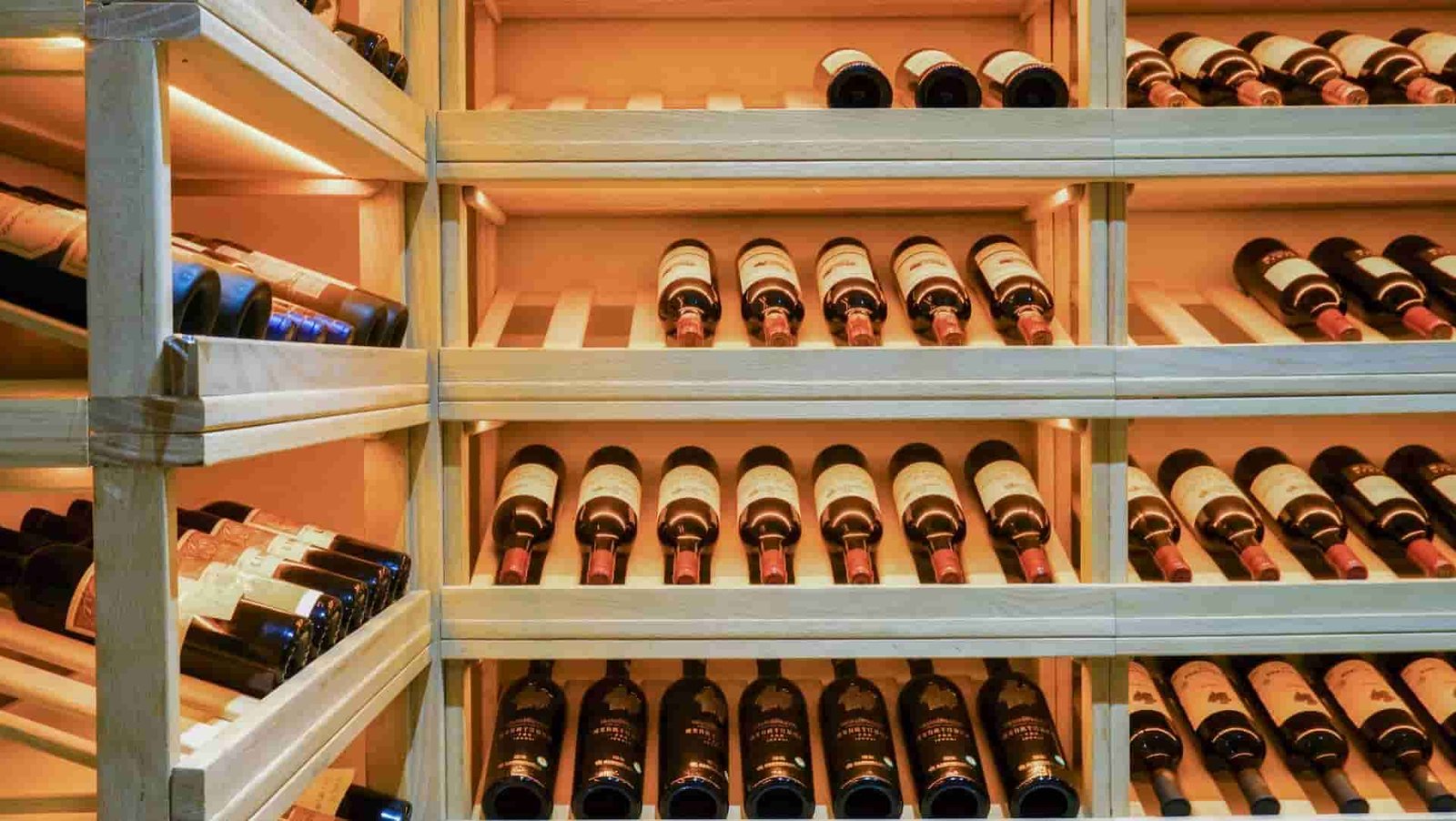
Initially, the bottles lie almost horizontally. Then, they are gradually turned and angled downward until they reach an inverted position with the neck pointing towards the floor.
As a result, gravity encourages the yeast deposit to slide slowly towards the bottle neck.
By the end of the process, nearly all the sediment collects neatly behind the bottle cap.
The wine itself remains clear and ready for the next production step.
Traditional Hand Riddling
Historically, riddling was performed entirely by hand.
Workers known as remueurs would manually rotate thousands of bottles every day. Each bottle required small, precise movements over several weeks.
This process demanded considerable skill and experience.
Although some luxury producers still practise hand riddling for prestige cuvées, it is rarely used for large-scale production today.
Modern Riddling with Gyropalettes
Most wineries now use machines called gyropalettes.
A gyropalette is a large automated cage that holds hundreds of bottles at once.
The machine gradually rotates and tilts the bottles according to a programmed schedule. Consequently, it can complete the riddling process much faster than manual labour.
Modern gyropalettes improve efficiency while maintaining consistency across large production volumes.
Therefore, they have become the industry standard for most sparkling wine producers.
What Happens After Riddling?
Once all the sediment has collected in the neck, winemakers move to the next stage: disgorgement.
During disgorgement, the bottle neck is frozen, trapping the sediment in a small plug of ice.
When the cap is removed, the pressure inside the bottle ejects the frozen sediment.
The winemaker then tops up the bottle, adds dosage if required, and seals it with the final cork.
The result is a sparkling wine that is both clear and visually attractive.
If topics such as riddling, autolysis, Champagne and sparkling wine production interest you, the WSET Level 2 Award in Wine at Sonal Holland Academy is an excellent next step.
The course explores the world’s major grape varieties, wine regions, sparkling wines, fortified wines and key winemaking techniques. You’ll also develop practical tasting skills and learn how production decisions influence wine style and quality.
Sonal Holland Academy offers both classroom and online WSET Level 2 in Wine batches, allowing you to choose the learning format that best fits your schedule and goals. Click here to know more about our upcoming batches.