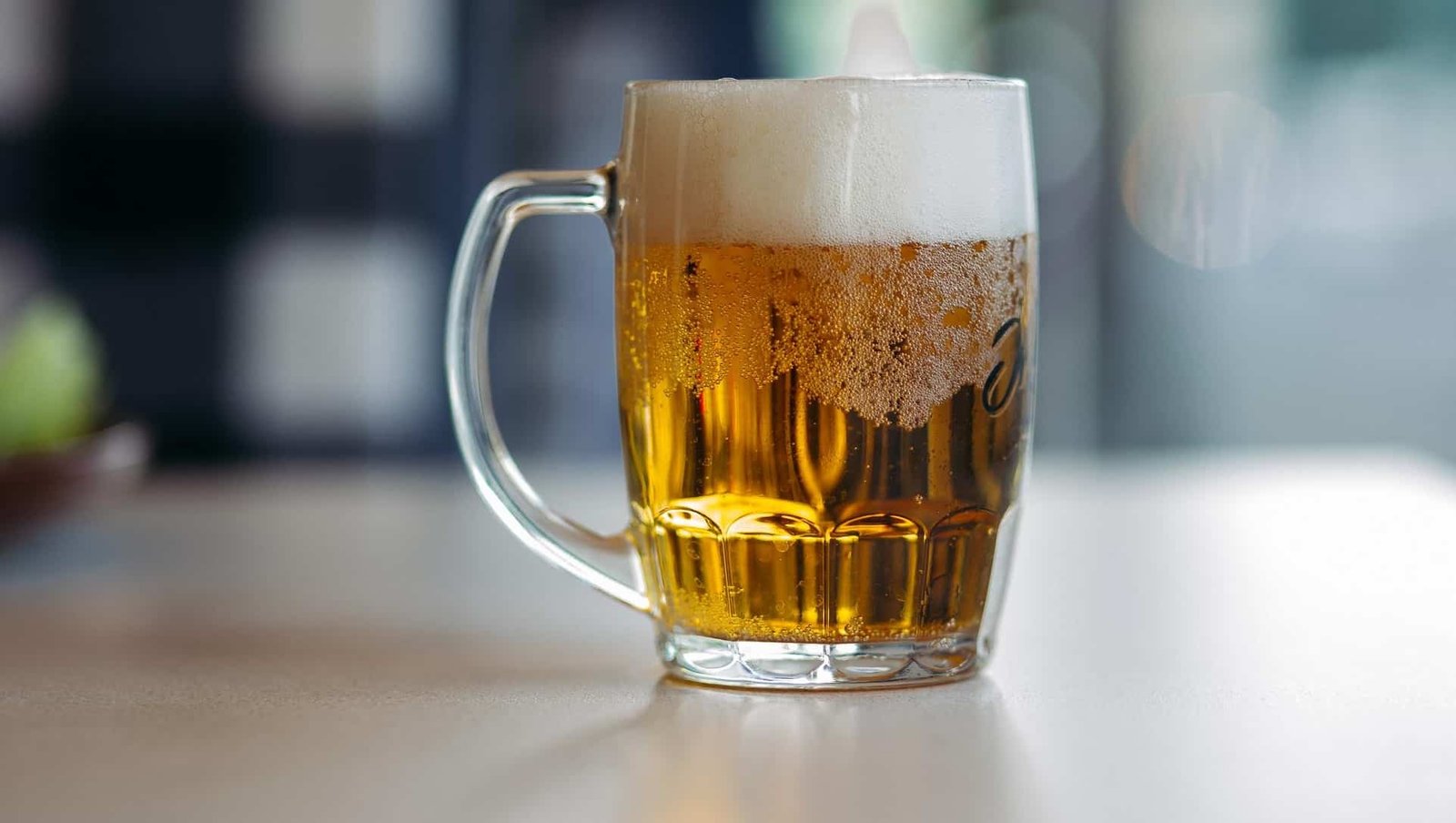

Walking into a craft beer bar can feel overwhelming. The menu lists dozens of styles—IPAs, pilsners, stouts, witbiers, helles, and porters. Each sounds distinct and complex. It only gets worse if you are with a beer enthusiast who can talk about the flavours and nuances of each style endlessly. However, here’s a helpful secret: nearly every beer you encounter falls into just two basic categories—ale or lager.
Understanding the fundamental division between lager vs ale yeast simplifies beer selection dramatically. Once you grasp the difference between ale and lager, navigating beer menus or conversing with beer-obsessed friends becomes significantly easier. Moreover, you’ll start noticing flavour patterns that help you discover new favourites. But before we understand these two key styles, we must get the basics of beer fermentations right.
Fermentation in Beermaking
Before exploring ale versus lager, understanding fermentation is essential. Beer production begins with four basic ingredients: water, malted barley, hops, and yeast. While water provides the base, malt contributes sweetness and body, and hops add bitterness and aroma, yeast performs the magical transformation.
Yeast is a microorganism that performs fermentation by converting sugars into alcohol and carbon dioxide. The basic equation looks like this: Sugar + Yeast → Alcohol + CO₂ + Heat + Flavour Compounds
However, yeast does more than just create alcohol. It’s also a flavour creator, influencing aroma, mouthfeel, and style character. Different yeast strains produce wildly different results from identical ingredients. This is where the ale-lager distinction becomes crucial.
The main difference between ale and lager is the yeast type and fermentation temperature. These two factors create fundamentally different flavour profiles and drinking experiences.
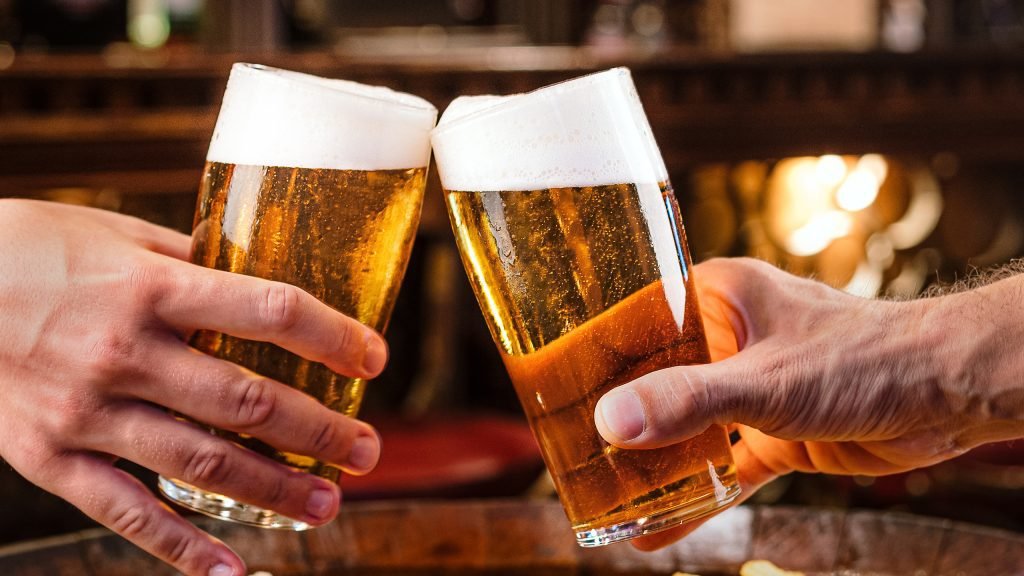
Lager Vs Ale Yeast: Understanding The Difference
Ale Yeast
Ales use a yeast strain scientifically known as Saccharomyces cerevisiae. This top-fermenting yeast behaves differently than its lager cousin in several important ways.
Fermentation Temperature
Ale yeast ferments at warmer temperatures, typically between 15–24°C. This warmer environment encourages yeast activity and speeds up fermentation. Consequently, ales can finish fermenting in as little as seven days.
Fermentation Behaviour
The term “top-fermenting” describes how ale yeast rises to the top of the fermentation vessel during active fermentation. You can observe this as a thick foam or krausen forming on the beer’s surface.
Flavour Profile
Warmth during fermentation produces specific flavour compounds called esters and phenols. Esters create fruity characteristics—think banana, apple, pear, or tropical fruit notes. Phenols contribute spicy flavours like clove, pepper, etc1.
These fruity and spicy characteristics define the ale family. Even when brewers use identical malt and hop combinations, ale yeast creates a more complex, characterful beer compared to lager yeast.
Common Ale Styles
Ales encompass an enormous range of beer styles. Some popular examples include:
- India Pale Ale (IPA): Hop-forward with fruity esters complementing citrus and tropical hop aromas
- Stout: Dark, roasty beers where yeast character adds complexity to chocolate and coffee notes
- Witbier: Belgian wheat beers showcasing spicy phenols alongside coriander and orange peel
- Pale Ale: Balanced beers where malt sweetness meets hop bitterness and fruity yeast character
- Porter: Medium-dark ales with caramel and toffee notes enhanced by yeast esters
Lager Yeast
Lagers use Saccharomyces pastorianus, a bottom-fermenting yeast that creates distinctly different results. This yeast strain thrives in cooler conditions and produces cleaner flavours.
Fermentation Temperature
Lager yeast ferments at cooler temperatures, typically between 7–13°C. This colder environment slows fermentation significantly. Additionally, lagers undergo “cold conditioning” or lagering—a period where beer rests at near-freezing temperatures for weeks or months.
The German word “lager” means “to store,” referring to this extended maturation period. While ales might be ready in one week, quality lagers often require four to six weeks of total production time.
Fermentation Behaviour
Lager yeast settles at the bottom of the fermentation tank rather than rising to the top. This bottom-fermenting characteristic defines the category technically, though it matters less to consumers than the flavour differences.
Flavour Profile
Cold fermentation produces cleaner, crisper flavour with fewer esters and phenols. Lager yeast allows the malt and hop character to shine without adding fruity or spicy notes. This creates a more straightforward, refreshing drinking experience.
The absence of yeast character isn’t a deficiency—it’s a deliberate style choice. Lagers showcase ingredient purity and brewing precision. The malt sweetness, hop bitterness, and carbonation exist in perfect balance without yeast competing for attention.
Common Lager Styles
Lagers include many of the world’s most popular beers. Examples include:
- Pilsner: Light, golden, crisp with prominent hop bitterness and floral aroma
- Helles: Malty, slightly sweet Munich lager with gentle hop balance
- Dunkel: Dark Munich lager with bread and caramel notes but clean finish
- Bock: Stronger lager with rich malt character and smooth, warming alcohol
- Vienna Lager: Amber-coloured with toasted malt sweetness and balanced hops
Understanding ale versus lager opens the door to beer appreciation. However, exploring beer styles, ingredients, and production methods enriches your enjoyment even further.
The Certified Beverage Professional course by Sonal Holland Academy includes a comprehensive two-hour module on beer. This Certified Beer Professional segment covers beer styles, production techniques, and tasting methodology. You can pursue this individually or as part of the modular two-day CBP course alongside wine and spirits education. Click here to know more.