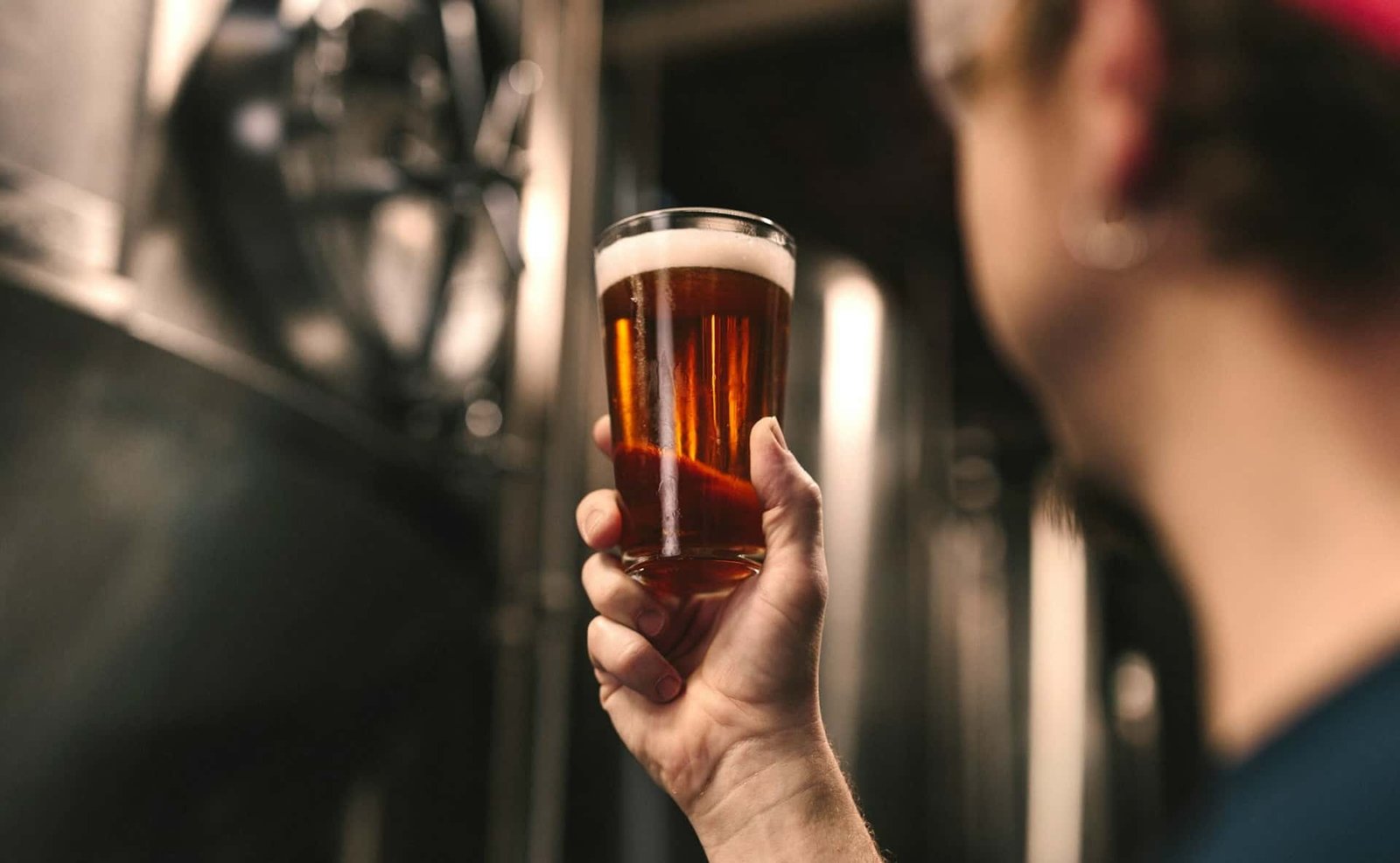

A beer arrives looking perfectly normal. Then you take a sip and notice something strange. Perhaps it smells like cardboard. Maybe there is an unexpected buttery note. Or worse, it smells distinctly skunky.
Is that simply the beer’s style, or is something wrong?
Knowing how to detect faulty beer is a useful skill for anyone serving, selling or studying beer. After all, recognising different beer styles is only half the job. Beverage professionals also need to know when a beer is not tasting as the brewer intended.
Contrary to what many beleive, the most common beer faults have fairly recognisable aromas and flavours, making them easy to detect.
What Is a Beer Fault?
A beer fault is an undesirable aroma, flavour or characteristic that can develop during brewing, packaging, storage or service.
However, context matters. A characteristic that is undesirable in one beer may be acceptable or even intentional in another style. Therefore, detecting faulty beer requires both sensory skills and knowledge of what the beer should taste like.
Start by looking for these four common problems.
1. Lightstruck (Skunky)
What you notice: A strong skunky or pungent smell, sometimes with a sulphur-like character.
Why it happens: Light reacts with hop-derived compounds in the beer and creates an unpleasant aroma.
What prevents it: Keep beer away from direct light. Brown bottles offer better protection than clear or green glass, while cans block light completely.
2. Oxidation (Stale / Cardboard)
What you notice: Wet cardboard, paper or stale flavours. Some beers may also show sweeter, sherry-like notes.
Why it happens: Too much oxygen enters the beer during production or packaging. Warm storage can make the problem develop faster.
What prevents it: Brewers limit oxygen during packaging, while cool and proper storage helps preserve freshness after bottling or canning.
3. Diacetyl (Buttery)
What you notice: Butter, butterscotch or buttered popcorn aromas and flavours. The beer may also feel slightly slick on the palate.
Why it happens: Diacetyl forms naturally during fermentation. Yeast normally reduces it later, but noticeable amounts can remain if fermentation is incomplete.
What prevents it: Brewers give the yeast enough time and suitable conditions to complete fermentation properly.
A small amount may be acceptable in some beer styles, so context still matters.
4. Microbial Contamination (Sour / Funky)
What you notice: Unexpected sour, funky, medicinal or phenolic aromas and flavours.
Why it happens: Unwanted bacteria or wild yeasts can enter the beer through contaminated brewing, packaging or dispensing equipment.
What prevents it: Good hygiene and sanitation throughout brewing, storage and service reduce the risk of contamination.
Sour or funky notes are not always faults. In some beer styles, they are deliberately created, so the key question is whether those flavours are meant to be there.
How Do You Know If a Beer Is Actually Faulty?
Do not judge a beer from one unusual aroma alone.
Instead, ask three simple questions: What style is this beer? Is this characteristic expected in that style? Could storage, packaging or service have affected it?
This approach helps separate genuine beer faults from intentional characteristics.
It also explains why sensory training matters. The more beers you taste with guidance, the easier it becomes to recognise what is typical and what seems out of place.
Build Your Beer Knowledge with Sonal Holland Academy
The Certified Beer Professional course is part of the Certified Beverage Professional programme by Sonal Holland Academy, This is practical two-day learning curriculum providing comprehensive learning in wine, beer, spirits and cocktails.
Designed for hospitality students, professionals and enthusiasts, the programme focuses on practical beverage knowledge that can be applied to real-world service.